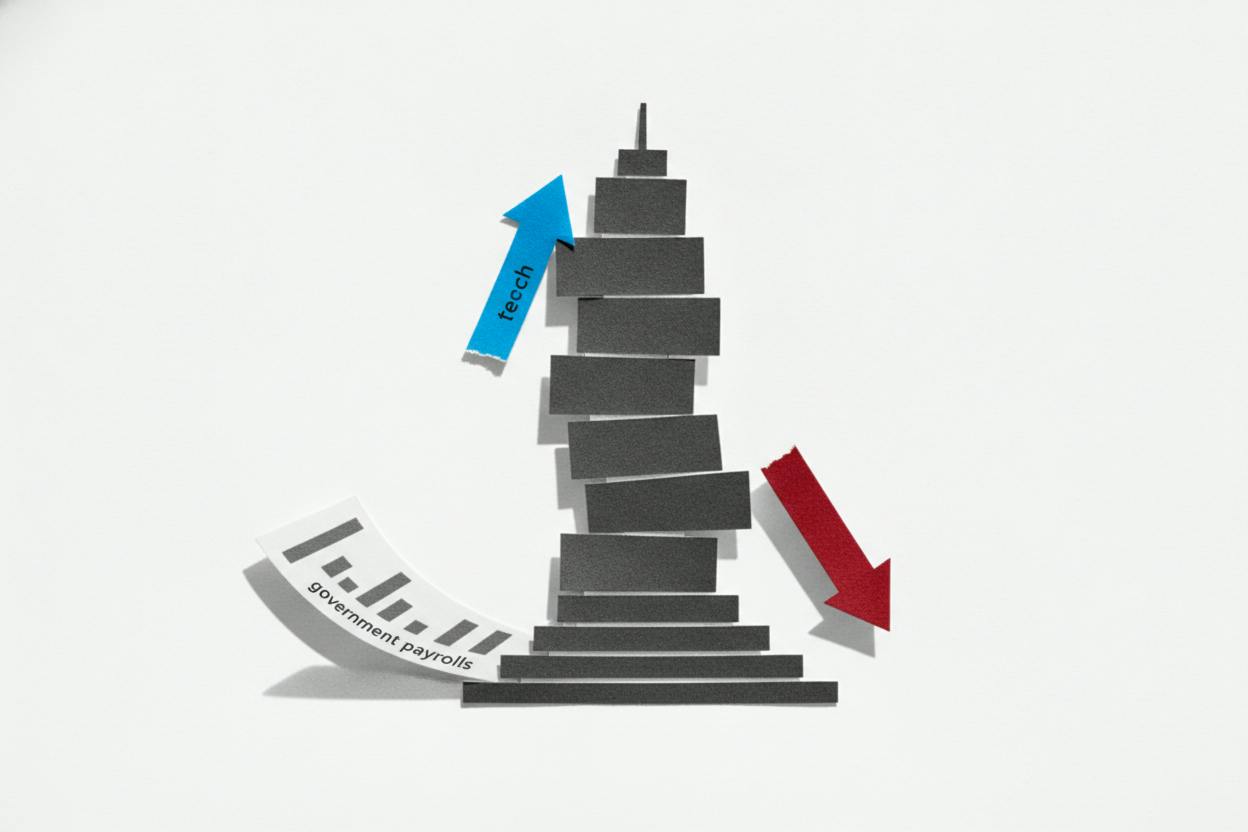
Canada's main stock index slipped on Tuesday, as a sharp drop in base metal prices and a weaker Canadian dollar outweighed gains in energy shares. The S&P/TSX Composite fell 0.8%, with the decline led by mining and technology stocks, while energy and health care managed to climb.
The move reflects a tug-of-war in global markets: oil prices edged higher on worries about supply disruptions and shipping routes in the Middle East, but gold and other metals fell, signaling that investors were not rushing into classic safe havens. The Canadian dollar, meanwhile, weakened to 1.3900 per US dollar, a level that has not been seen in recent weeks.
What's behind the metals slump?
Base metals—which include copper, zinc, and nickel—dropped 2.3% on the day. These metals are highly sensitive to global economic growth, as they are used in construction, manufacturing, and electronics. When investors worry about a slowdown, they often sell off these commodities, and that pressure hit Canadian mining stocks hard.
Canada's resource-heavy index has a large weighting in materials, so a decline in metal prices can have an outsized impact. The drop in metals came even as oil prices rose, creating a mixed picture for commodity investors.
Why is the Canadian dollar weakening?
The loonie, as Canada's currency is nicknamed, slid to 1.3900 per US dollar. That means it takes 1.39 Canadian dollars to buy one US dollar—a weaker level than recent averages. Commerzbank, a German bank, noted that the Canadian dollar has been one of the weaker performers among the G10 currencies, as interest-rate expectations shift.
When central banks change their outlook on rates, currencies often move in response. If investors believe the Bank of Canada will cut rates sooner or more aggressively than the US Federal Reserve, the loonie tends to lose ground. A weaker currency can be a double-edged sword: it makes Canadian exports cheaper for foreign buyers, but it also raises the cost of imported goods and can fuel inflation.
Energy stocks buck the trend
While metals dragged the index down, energy shares rose as oil prices climbed. Crude oil has been supported by concerns about supply disruptions and tensions in the Middle East, particularly around shipping routes. Higher oil prices are generally positive for Canadian energy producers, which are among the largest companies on the TSX.
This divergence—energy up, metals down—shows how different sectors can move in opposite directions on the same day, depending on what drives each commodity.
What it means for investors
For everyday investors, a day like this is a reminder that Canada's stock market is heavily tied to commodity prices. When metals fall, mining stocks suffer; when oil rises, energy stocks benefit. Diversification across sectors can help cushion the blow from any single commodity move.
The weaker Canadian dollar also matters for anyone with investments or expenses in US dollars. A lower loonie means US assets are worth more in Canadian terms, but it also makes imported goods and travel to the US more expensive.
Investors will likely keep an eye on a few things in the coming days: whether oil can hold its gains, whether metal prices stabilize, and any signals from the Bank of Canada about the future path of interest rates. Housing starts also fell recently, which could weigh on the economic outlook.
For context, the TSX has been sensitive to global growth fears and interest-rate expectations. Similar moves have been seen in other markets, such as tech stocks sliding as long-term Treasury yields stay near 2007 highs, and oil climbing to $85.32, lifting energy stocks in the US. These cross-market trends highlight how interconnected global finance has become.
As always, it's important to focus on your own financial goals and time horizon rather than reacting to daily market noise. A single day's drop—or gain—does not change the long-term picture for most investors.