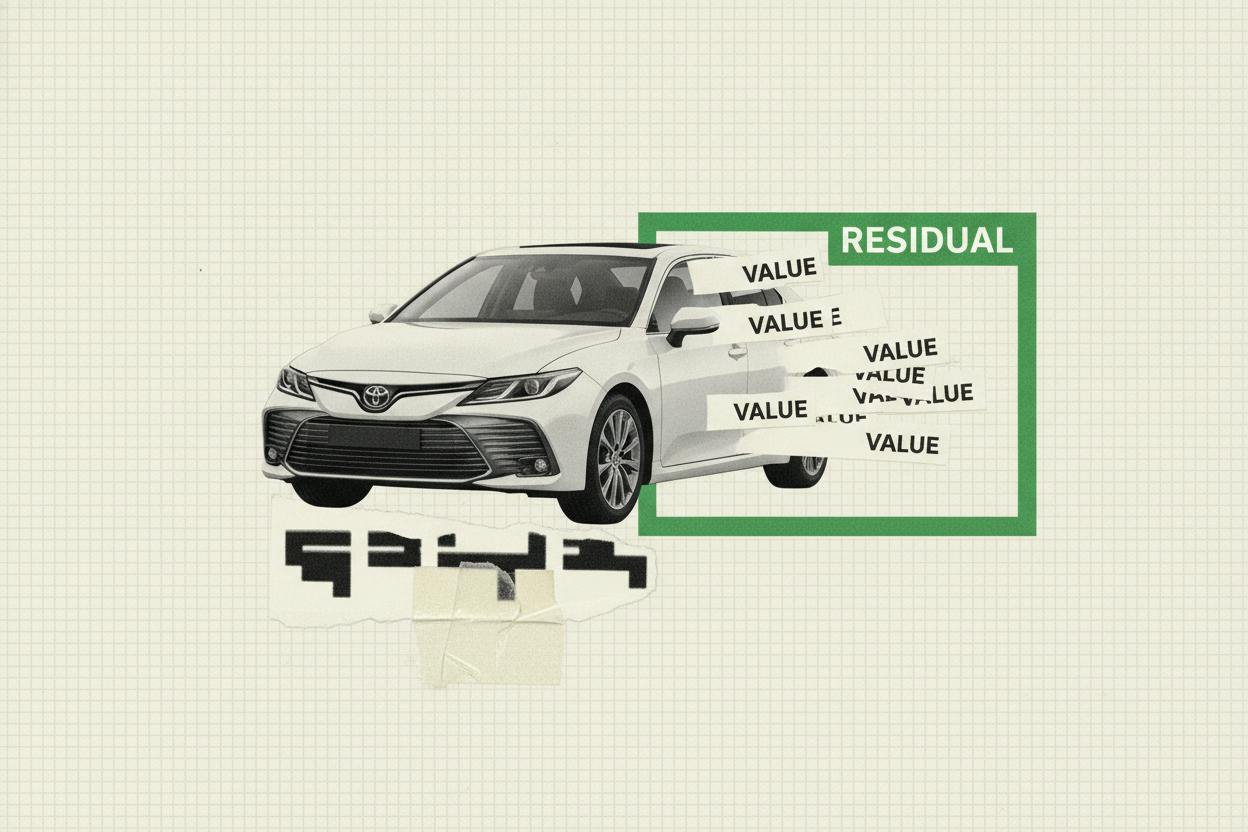
Toyota has introduced a new car financing option in Thailand that could change how buyers think about the cost of ownership. The plan, called “zanier,” launched in August and is now available at nearly all Toyota dealerships across the country, according to Nikkei Asia. It's a direct response to the growing popularity of lower-priced Chinese electric vehicles (EVs) in the Thai market.
Here's how it works: instead of borrowing the full sticker price of a car, customers finance only the amount the vehicle is expected to lose in value over the contract period—typically three to five years. That expected loss is based on a preset “residual value,” which is the estimated resale price of the car at the end of the term. At the end of the contract, the driver can return the car, trade it in for a new model, or buy it outright for that preset price.
This type of financing is not new in some markets—it's common in countries like the U.S. and Germany, where leasing is widespread. But in Thailand, it's a fresh twist that could make Toyota's vehicles more accessible to buyers who are sensitive to monthly payments.
Why Toyota is making this move
The Thai auto market has become a battleground. Chinese EV makers, backed by aggressive pricing and government incentives, have been eating into the market share of established Japanese brands like Toyota. These Chinese models often come with lower upfront prices, which makes them attractive to cost-conscious buyers.
By offering a plan that lowers monthly payments, Toyota is trying to level the playing field. Instead of competing purely on sticker price, the company is competing on the cost of ownership over time. A buyer who might have balked at a higher upfront price could now see a monthly payment that fits their budget.
This approach also aligns with a broader trend in the auto industry: shifting from selling cars as a one-time purchase to offering them as a service. Residual-value plans give manufacturers more control over the used-car market and can create a steady stream of returning customers who trade in their vehicles every few years.
For Toyota, the strategy is also a hedge. If the residual value is set accurately, the company can profit from the resale of returned vehicles. If it's set too high, Toyota could face losses when those cars come back worth less than expected. That's a risk the company is willing to take to defend its position in a key Southeast Asian market.
What it means for investors
For everyday investors, this news is a reminder that the global auto industry is in the middle of a major shift. The rise of Chinese EVs is not just a story about Tesla or BYD—it's affecting every major automaker, including Toyota, the world's largest carmaker by volume.
Toyota's move in Thailand is a sign that the company is willing to adapt its business model to stay competitive. That's important because Toyota has been slower than some rivals to embrace fully electric vehicles, instead betting on hybrids and other technologies. If the Thai experiment works, it could be rolled out in other emerging markets where price sensitivity is high.
Investors should also note that this is a financing innovation, not a new car model. That means Toyota is taking on more financial risk, similar to what banks and finance companies do. If the Thai economy weakens or used-car prices fall, Toyota could be left holding the bag on vehicles that are worth less than expected. That's a risk that could show up in the company's financial statements down the road.
On the other hand, if the plan attracts new buyers and boosts sales, it could help Toyota defend its market share against Chinese competitors. That would be a positive for the company's long-term growth prospects.
For investors watching the broader auto sector, this story also highlights the importance of Thailand's economic conditions. The country has been dealing with flooding and soft consumer confidence, which could affect demand for big-ticket items like cars. Toyota's financing plan is partly a response to that weakness—making cars more affordable when consumers are cautious.
It's also worth noting that Toyota has had some recent quality issues, including a recall of RAV4 plug-in hybrids over a stalling risk. While that's a separate issue, it's a reminder that the company faces challenges beyond just competition.
The bigger picture
Toyota's move in Thailand is part of a larger trend of automakers using creative financing to win over customers. As EVs become more common, the cost of batteries and new technology is pushing up vehicle prices. Financing plans that lower monthly payments could become a key tool for automakers to keep sales moving.
For investors, the takeaway is that the auto industry is evolving rapidly. Companies that can adapt—whether through new technology, new business models, or new financing options—are more likely to thrive. Those that stick to old ways may find themselves left behind.
As always, it's important to watch how these strategies play out in the real world. If Toyota's Thai experiment succeeds, it could become a blueprint for other markets. If it fails, it could be a costly lesson. Either way, it's a story worth following for anyone with money in the auto sector.