Commodities trading giant Trafigura has signed a binding $2 billion, 10-year agreement to purchase 100,000 metric tons of lithium from EnergyX, a startup developing direct lithium extraction (DLE) projects in Chile and Texas. The deal, announced by EnergyX, is one of the largest tied to DLE technology, which uses selective filters to pull lithium from brine instead of relying on large evaporation ponds.
The contract is structured as a take-or-pay agreement, meaning Trafigura is obligated to buy agreed volumes or pay for them regardless. Pricing is linked to benchmark lithium prices, which currently hover around $20,000 per metric ton. For EnergyX, the deal provides revenue visibility that could be crucial as it seeks to finance and build its plants.
What is direct lithium extraction?
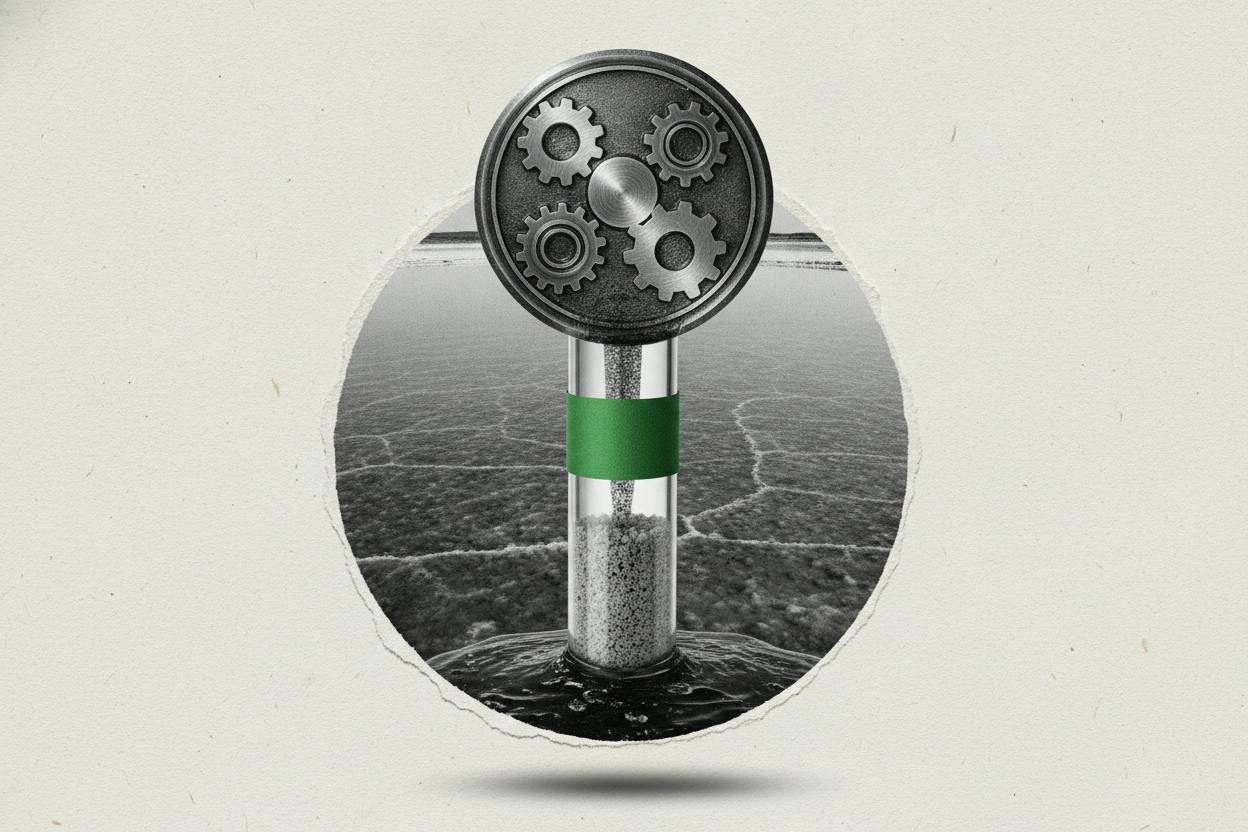
Traditional lithium mining from brine involves pumping water into vast evaporation ponds and waiting months for the sun to concentrate the lithium. DLE, by contrast, uses chemical or membrane processes to extract lithium directly from brine, cutting production time and reducing land use. The technology is seen as a way to boost supply from existing brine resources, particularly in South America's lithium triangle and in the United States.
EnergyX, founded in 2018 and backed by General Motors and Italian energy company Eni, plans to produce lithium carbonate in Chile starting in 2028 and lithium hydroxide in Texas from 2029. The split between the two forms matters because battery makers use different lithium compounds depending on their cathode chemistry. Lithium hydroxide is favored for high-nickel batteries used in many electric vehicles, while lithium carbonate is common in lower-cost chemistries.
Trafigura says it expects to sell early volumes into China, the world's largest lithium consumer, before shifting more supply toward the U.S. as its domestic battery supply chain expands. The deal is another sign that large commodity traders are racing to lock up future supplies of critical minerals as DLE moves from pilot projects toward commercial scale. Reuters noted similar efforts by Exxon Mobil, Vulcan Energy Resources, and Lilac Solutions.
Why the take-or-pay structure matters
For investors, the significance of this deal may go beyond the headline $2 billion figure. A take-or-pay contract is not just a sales plan; it can make a project easier to finance. Because Trafigura is committed to take—or pay for—set volumes, it absorbs much of EnergyX's volume risk, creating a clearer floor under future revenue even if spot lithium prices swing. That revenue visibility is exactly what banks and export credit agencies look for when deciding whether to fund capital-heavy processing plants.
Reuters linked the contract to EnergyX's application for a $690 million loan from the Export-Import Bank of the United States (EXIM). If the loan is approved, it would help cover the substantial upfront costs of building DLE facilities. The take-or-pay agreement could be a key factor in EXIM's decision, as it reduces the risk that EnergyX will be unable to sell its output.
This dynamic is not unique to lithium. Similar contract structures are common in natural gas and other commodity projects, where long-term offtake agreements underpin financing. For DLE developers, which often struggle to secure funding due to technology and market risks, such contracts could accelerate the path to construction.
What it means for investors
For everyday investors, this deal highlights the growing importance of critical minerals in the energy transition. Lithium is a key ingredient in electric vehicle batteries and grid storage, and demand is expected to rise sharply in the coming decades. However, lithium prices have been volatile, with China's lithium futures plunging in recent months amid oversupply and shifting trade policies.
If more deals follow this template, DLE developers could reach construction decisions sooner, and traders like Trafigura could end up controlling a meaningful slice of new, contract-tied lithium supply. That could affect the pricing power of lithium producers and the stability of supply for battery makers.
For investors, the takeaway is that the lithium market is evolving beyond simple mining and refining. The involvement of major traders and the use of financial contracts to de-risk projects could reshape how lithium is bought and sold. While no one should make investment decisions based on a single deal, this agreement is a signal that the industry is maturing and that DLE technology is gaining commercial traction.
As always, it's wise to keep an eye on how these projects progress. EnergyX still needs to finance and build its plants, and construction delays or cost overruns are common in mining and processing. But the Trafigura deal provides a vote of confidence in the company's technology and business model.