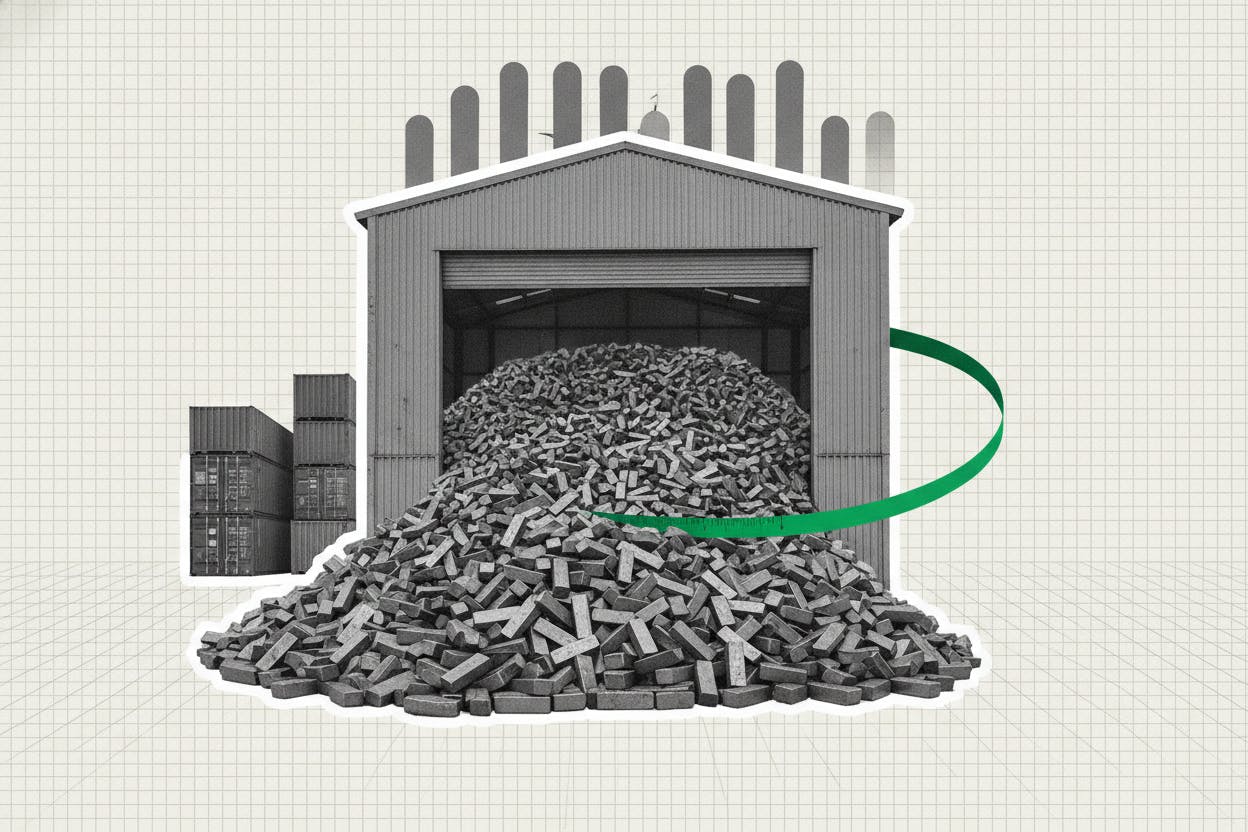
In a move that has rattled the lead market, global commodities trading giant Trafigura delivered more than 80,000 metric tons of the metal into London Metal Exchange (LME) warehouses in Singapore. The influx pushed LME lead inventories to a 14-year high and drove three-month lead futures to their lowest level in 15 months.
According to people familiar with the matter, the deliveries were part of a so-called "rent deal"—an arrangement where the party delivering the metal can share in the daily warehouse rent that the new owner pays while the metal sits in storage. Such deals are common in the metals industry, where storage costs can significantly influence trading strategies.
Inventories Surge, Prices Slide
The impact was immediate. LME lead inventories hit 370,075 tons on Monday, the highest since April 2012, after jumping roughly 40% since mid-May. The sudden glut of supply pushed three-month lead futures to a 15-month low, reflecting the market's concern that supply is outpacing demand.
Lead is a key industrial metal used primarily in lead-acid batteries for vehicles and backup power systems. Its price is sensitive to shifts in global industrial activity, particularly in the automotive and energy storage sectors. The recent price drop comes amid a broader backdrop of mixed economic signals, with some regions showing slowing manufacturing output.
Singapore has become a major hub for LME warehousing, especially for base metals like lead, due to its strategic location and robust logistics infrastructure. The city-state's role in global metals trade has grown in recent years, as seen in other commodity stories like Malaysia's palm oil stockpiles hitting a record June high, which also highlighted the impact of storage dynamics on prices.
What This Means for Investors
For everyday investors, the lead price decline is a reminder of how physical market mechanics can influence commodity prices. When a large trader like Trafigura delivers metal into LME warehouses, it signals that the trader expects to profit more from storage fees than from selling the metal immediately. This can create a temporary oversupply that depresses prices.
Investors with exposure to lead through exchange-traded funds (ETFs), mining stocks, or commodity-focused funds should watch for further inventory data. If inventories continue to rise, prices could stay under pressure. Conversely, if the metal is eventually withdrawn for industrial use, prices may recover.
The broader lesson is that commodity markets are influenced not just by supply and demand, but also by financial incentives like rent deals. These arrangements can amplify price moves, as seen here. For comparison, similar dynamics have played out in other markets, such as Barry Callebaut's strategy of building bigger stockpiles to shield itself from cocoa price shocks.
Broader Market Context
The lead market's move comes at a time when global commodity markets are navigating a complex landscape. While some metals like copper have seen price support from green energy demand, lead faces headwinds from slower automotive production in key markets like China and Europe. The LME's warehouse data is closely watched by traders and analysts as a barometer of physical market conditions.
Singapore's role in this story is notable. The city-state has become a key node in global commodity trade, with its warehousing capacity attracting major players. This is part of a broader trend where Asian hubs are increasingly central to metals pricing and storage, as seen in Singapore stocks ending the week higher on AI optimism, reflecting the region's growing economic influence.
For now, the lead market is digesting the sudden surge in supply. Traders will be watching for any signs of demand pickup or further deliveries that could extend the price decline. The LME's next inventory report will be a key data point.
What to Watch Next
Investors should monitor LME lead inventory levels and three-month futures prices in the coming weeks. If the rent deal structure leads to more deliveries, inventories could climb further. On the other hand, if industrial buyers step in to take advantage of lower prices, the glut may be short-lived.
The broader takeaway is that commodity markets are influenced by factors beyond simple supply and demand. Understanding the role of storage economics and trader behavior can help investors make sense of price moves that might otherwise seem puzzling. As always, diversification and a long-term perspective remain key for navigating volatile markets.



