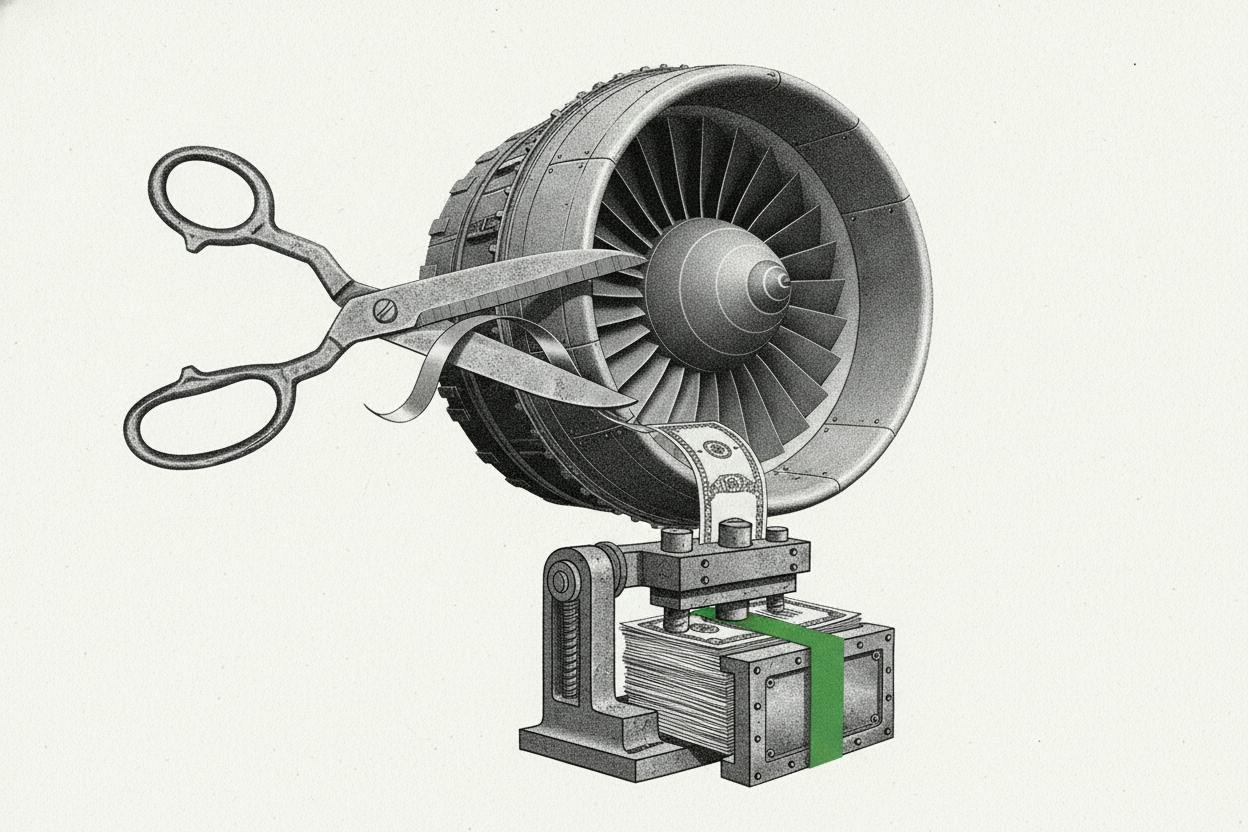
TransDigm Group, the aerospace supplier known for its pricing power and steady cash generation, may find its next catalyst in the boardroom rather than the hangar. RBC Capital Markets argues that broader merger-and-acquisition activity, along with possible share buybacks or a special dividend, could help offset lingering worries about right-to-repair legislation and softer aftermarket demand.
The Cleveland-based company makes highly engineered components for aircraft—everything from actuators and valves to power systems—and sells them with a premium that has long translated into fat margins. But investors have been watching two clouds: the threat of right-to-repair rules that could let airlines fix parts themselves, and a slower aftermarket that typically drives TransDigm's most profitable sales.
Why capital returns matter
TransDigm has a history of aggressive capital deployment. It has used debt-funded acquisitions to expand its portfolio, and it regularly returns cash to shareholders through buybacks and dividends. RBC's note suggests that even if organic growth stalls, the company could lean on these levers to support the stock.
Buybacks reduce the number of shares outstanding, which can boost earnings per share even when profits are flat. A special dividend would hand cash directly to shareholders, a move that often signals confidence in the balance sheet. Meanwhile, M&A could add new products or markets, offsetting any weakness in the core aftermarket business.
Other companies have shown how buybacks can underpin growth. For example, ResMed's buybacks may drive growth even if a competitor returns to the market, and Standard Life could unveil regular buybacks at its capital markets day. These examples illustrate how capital returns can become a key part of the investment story.
The right-to-repair overhang
Right-to-repair legislation, which would allow airlines and third-party shops to service components without using TransDigm's authorized channels, has been a recurring concern for the company. If such rules spread, they could erode the pricing power that underpins TransDigm's margins. RBC's view is that proactive capital management could help steady the narrative while the regulatory picture plays out.
The broader M&A environment also matters. TransDigm has been an active acquirer, and a pickup in dealmaking across the sector—like the busy week of US dealmaking seen recently—could give it more opportunities to buy complementary businesses at reasonable prices.
What it means for investors
For everyday investors, the key takeaway is that TransDigm's future may depend less on the next aircraft order and more on how management chooses to use its cash. A buyback or special dividend could provide a floor under the stock, while a well-timed acquisition could open new growth avenues.
But there are risks. Debt-funded deals can strain the balance sheet if markets tighten, and buybacks don't create value if the stock is overvalued. Right-to-repair legislation, if enacted broadly, could still hit the core business hard.
Investors should watch for signals from management—whether they announce a new buyback authorization, a special dividend, or a major acquisition. Any of these could be the "next lift" RBC is talking about.
As always, this is not a recommendation to buy or sell. It's a reminder that for a company like TransDigm, capital allocation is often as important as the products it sells.