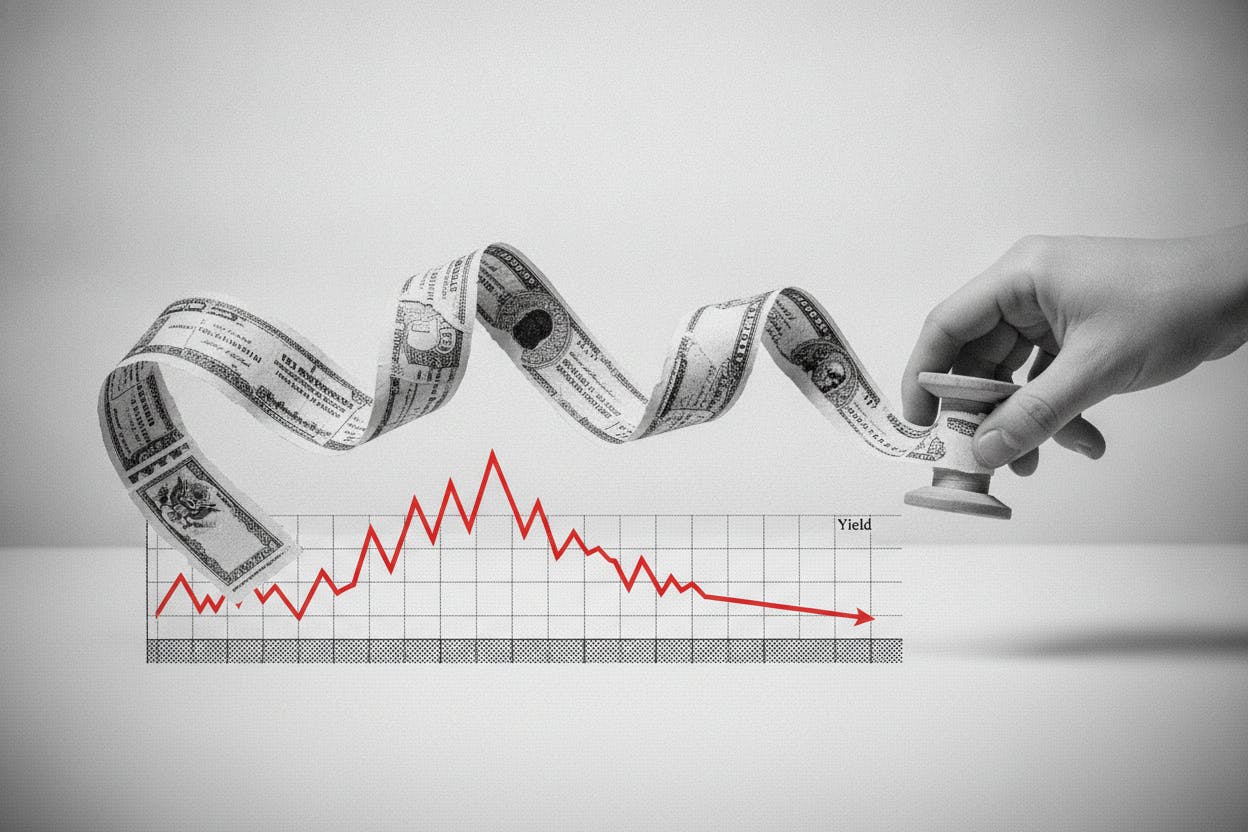
After a rough stretch for long-term US government bonds, the Treasury has stepped in with a bigger helping hand. The department said it would double its buybacks of longer-dated debt to at least $4 billion per operation, a move that helped pull 30-year Treasury yields down from a recent high near 5.34%.
For everyday investors, this is a story about the bond market's mood swings and how the government tries to keep things steady. When yields on long-term bonds spike, it can ripple through stocks, mortgages, and even retirement portfolios. So this move is worth understanding.
What are Treasury buybacks?
Treasury buybacks are exactly what they sound like: the US government buying back its own bonds from investors. It's a tool the Treasury uses to manage the debt market, often to smooth out liquidity or support certain parts of the yield curve. By stepping in as a buyer, the Treasury can help put a floor under prices, which in turn pushes yields lower.
In this case, the Treasury doubled the size of its buyback operations for longer-dated bonds to at least $4 billion each. That's a meaningful increase, and it signals that the government is paying attention to the recent selloff in long-term bonds.
The 30-year Treasury yield had climbed to nearly 5.34%, a level not seen in years. That spike was driven by worries about government debt levels and inflation, concerns that have been building for a while. When investors demand higher yields, it means they want more compensation for the risk of holding long-term debt.
Why did long-term yields spike?
The recent selloff in long-term bonds wasn't an isolated event. It came amid a broader backdrop of global bond yields hitting decade highs, fueled by large government deficits and rising oil prices. Inflation worries have also been persistent, as higher energy costs can feed into consumer prices.
Investors have been watching these factors closely, and the 30-year yield's climb to near 5.34% was a stark reminder of how sensitive the bond market is to debt and inflation concerns. The Treasury's decision to double its buybacks is a direct response to that stress.
It's worth noting that the Treasury doesn't usually intervene to control yields. Its buyback program is primarily about managing the debt portfolio and maintaining smooth market functioning. But by increasing the size of these operations, it sends a signal that it's willing to provide support when conditions get choppy.
What does this mean for investors?
For investors, the immediate effect is a bit of relief in the bond market. The 30-year yield pulled back from its highs, which can help stabilize other assets. When long-term yields fall, it often takes pressure off growth stocks, which are more sensitive to interest rate changes. That's why you've seen tech stocks slide when yields rise — higher yields make future earnings less valuable.
But it's important to keep perspective. A single move by the Treasury doesn't erase the underlying worries about debt and inflation. The bond market is still on edge, and yields could easily climb again if new data or events reignite those concerns.
For those with bond holdings, the buyback support may help cushion some losses, but it's not a guarantee. For stock investors, the key takeaway is that long-term yields remain a crucial number to watch. If they keep climbing, expect more volatility in growth-oriented sectors.
What to watch next
Investors will be watching several things in the coming days. First, whether the Treasury's increased buyback operations actually stabilize the long end of the curve. Second, any new inflation data or comments from Federal Reserve officials that could shift expectations. Third, the path of oil prices, which have been a major driver of inflation worries.
The broader context is that long-term Treasury yields hit 2007 highs recently, and that has rattled markets globally. The Treasury's move is a step to calm things down, but it's not a silver bullet.
For ordinary investors, the lesson is to stay diversified and not overreact to short-term yield moves. Bonds still play a role in portfolios, but their prices will fluctuate with these macro forces. Keeping an eye on the 30-year yield can give you a sense of how the market is feeling about the economy's long-term prospects.
In the end, the Treasury's doubling of buybacks is a notable intervention, but it's just one tool in a complex market. The underlying issues of debt and inflation remain, and they'll continue to shape the investment landscape.