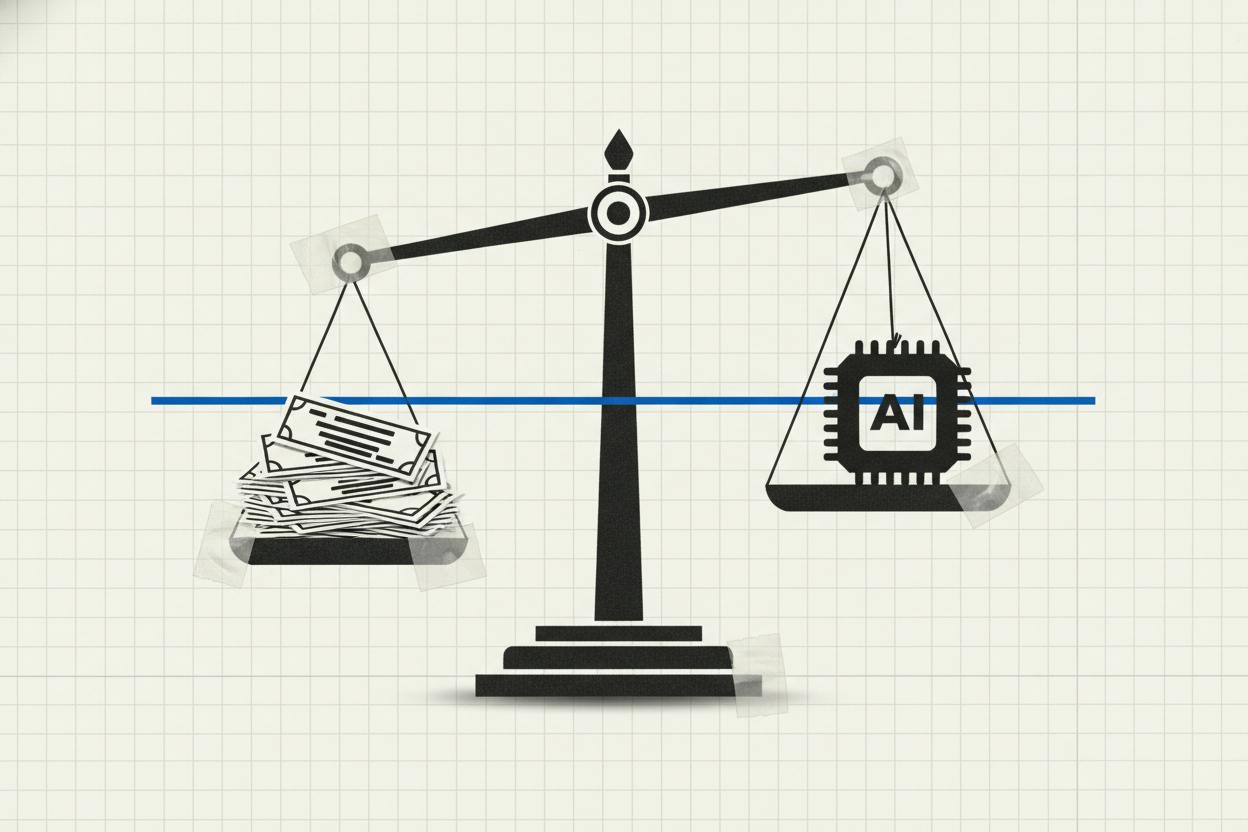
Long-term US Treasury yields eased on Monday, while stocks inched upward, as investors turned their attention to a busy week of corporate earnings and a Federal Reserve policy decision. The moves reflect a market caught between optimism over AI-driven growth and concerns about the heavy spending behind it.
What's driving the bond market
The 10-year Treasury yield, a benchmark for borrowing costs across the economy, fell after last week's sharp decline. Bond yields move inversely to prices, so a drop in yield signals increased demand for safe-haven government debt.
Traders are treating this week's results from tech giants as a key test of whether the artificial-intelligence boom is translating into real profits, or simply burning through cash. The spending plans of companies like Microsoft, Alphabet, and Amazon have become a focal point for investors trying to gauge the sustainability of the AI rally.
At the same time, the Federal Reserve is widely expected to keep its benchmark interest rate unchanged when it concludes its two-day meeting on Wednesday. That expectation has helped calm nerves, but the central bank's statement and press conference could still move markets if officials signal a shift in their outlook for inflation or future rate cuts.
Why AI earnings matter for the broader market
The three companies reporting this week are among the largest in the world by market value, so their results can sway the entire stock market. But the real focus is on what they say about AI infrastructure spending.
Microsoft, Alphabet, and Amazon have all committed billions of dollars to data centers, chips, and other AI-related investments. Investors want to know whether that spending is generating enough revenue to justify the cost. If the numbers disappoint, it could trigger a sell-off not just in those stocks, but in the wider technology sector.
This dynamic is also playing out in the bond market. When investors worry that AI spending is overheating the economy or fueling inflation, they tend to sell bonds, pushing yields higher. When they see signs of cooling, yields tend to fall. Monday's dip suggests a cautious, wait-and-see mood.
What it means for everyday investors
For ordinary investors, the key takeaway is that this week's events could set the tone for markets in the near term. A Fed decision that matches expectations is unlikely to cause big swings, but any surprise in the accompanying commentary could.
Similarly, the earnings reports from Microsoft, Alphabet, and Amazon are more than just individual stock stories. They offer a window into the health of the technology sector, which has been a major driver of market gains in recent years. If these companies signal a slowdown in AI spending or weaker demand, it could ripple through portfolios that hold tech funds or index funds.
It's also worth remembering that bond yields affect borrowing costs for mortgages, auto loans, and corporate debt. A sustained decline in yields could ease some pressure on consumers and businesses, while a sharp rise could tighten financial conditions.
Looking ahead
Investors will be watching the Fed's statement for any hints about the path of interest rates later this year. While a hold is expected, the central bank's projections and Chair Jerome Powell's remarks will be parsed for clues about whether cuts are still on the table.
On the earnings front, the focus will be on forward guidance. Companies that raise their outlooks could reassure markets, while those that trim forecasts might reignite worries about a slowdown.
As the convergence of Big Tech earnings and the Fed decision unfolds, expect volatility. Markets have been sensitive to any news that could shift the balance between growth and inflation concerns.
For now, the mood is one of caution. The dip in Treasury yields suggests investors are positioning defensively, waiting for clarity before making bigger bets. Whether that clarity arrives this week or later, the outcome will likely shape market direction for weeks to come.