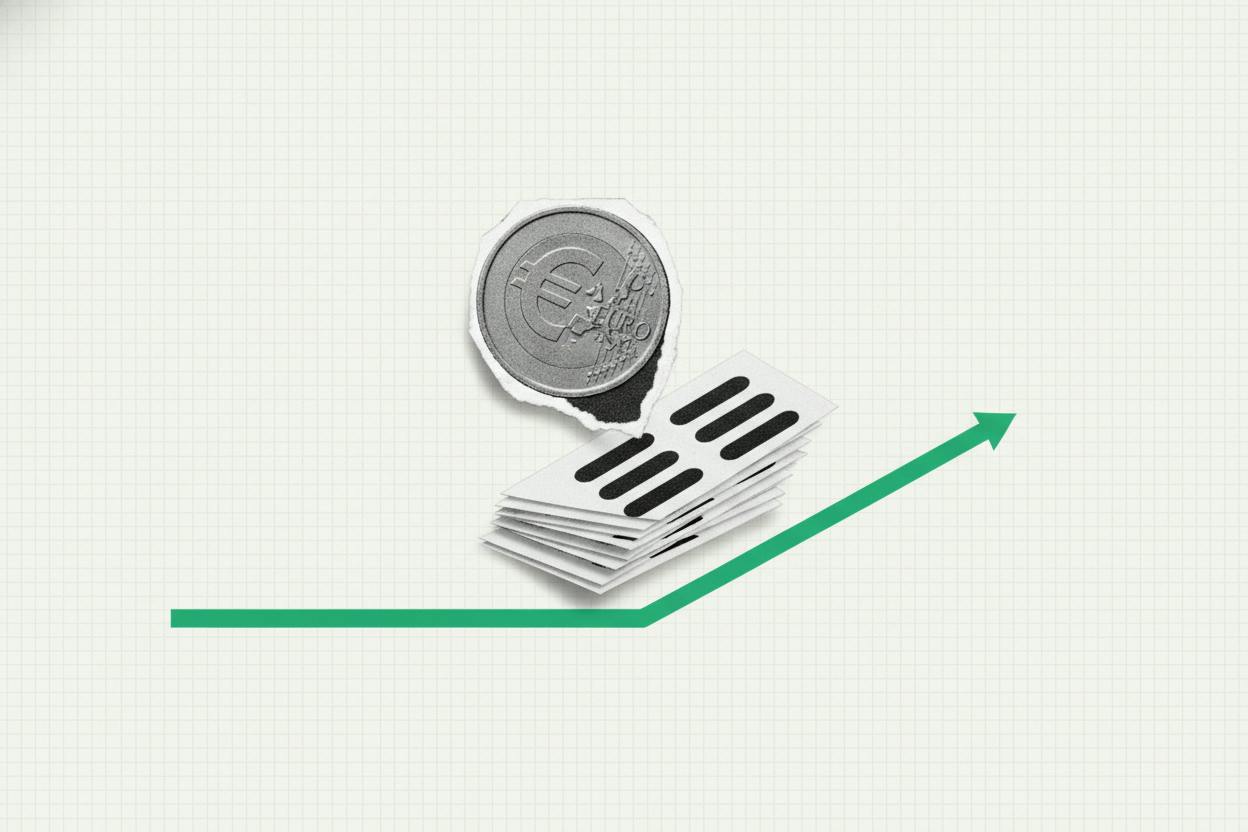
The euro slipped to $1.1201 against the dollar on Monday, as currency markets braced for a week packed with central bank decisions. Meanwhile, Brazil's real fell sharply after Luiz Inacio Lula da Silva's election victory, and Brent crude oil hovered near six-month highs.
For everyday investors, currency moves like these can ripple through portfolios in ways that aren't always obvious. A weaker euro, for instance, can affect the value of European stocks held in international funds, while a falling Brazilian real can hit commodities like sugar and coffee, which are priced in dollars but produced in Brazil.
Central banks take center stage
The euro's dip comes as investors look ahead to a busy week of monetary policy meetings. The U.S. Federal Reserve, the European Central Bank, and the Bank of England are all scheduled to announce their latest interest rate decisions. Markets are trying to gauge how aggressively these central banks will raise rates to fight inflation, and whether they might soon slow down.
Higher interest rates tend to make a currency more attractive to investors, because they offer better returns on bonds and savings. So the euro's slide suggests traders are betting that the ECB may not raise rates as much as the Fed, or that the U.S. economy will hold up better. This kind of speculation often drives short-term currency swings.
For investors, the key takeaway is that central bank decisions can move not just currencies but also stocks, bonds, and even your mortgage or savings rates. If you hold international investments, a weaker euro can reduce the dollar value of your European holdings, even if those companies perform well in their local markets.
Brazil's real tumbles after Lula's win
In Brazil, the currency fell about 9% after Luiz Inacio Lula da Silva won the presidential election. Lula, a left-wing former president, has promised to boost social spending and renegotiate the country's fiscal rules. Investors worry that these policies could lead to higher government debt and inflation, which is why the real dropped so sharply.
Brazil is a major exporter of commodities like sugar, coffee, and iron ore. A weaker real makes Brazilian goods cheaper for foreign buyers, but it also raises the cost of imports and can fuel domestic inflation. As we've seen in Brazil's currency slide dragging sugar and coffee futures lower, these moves can quickly spill into global commodity markets.
For investors, the Brazilian election is a reminder that political events can have a big impact on emerging market currencies and assets. If you own funds that invest in Brazil or other emerging markets, expect some volatility in the coming weeks as the new government's policies become clearer. The broader picture, though, is that Brazil's election rattles its markets even as broader emerging assets hold steady, so the impact may be contained.
Oil stays near six-month highs
Brent crude, the international benchmark for oil prices, hovered near its highest level in six months. Oil prices have been supported by supply concerns, including ongoing tensions in the Middle East and the possibility of new sanctions on Iranian oil. At the same time, demand remains strong as economies continue to recover.
Higher oil prices can feed into inflation, which is exactly what central banks are trying to fight. That's one reason why the currency and commodity markets are so intertwined this week. If oil keeps climbing, it could push central banks to be more aggressive with rate hikes, which would further strengthen the dollar and put more pressure on other currencies.
For investors, oil's strength is a double-edged sword. Energy stocks and funds that track oil prices can benefit, but higher fuel costs can hurt consumers and businesses, potentially weighing on economic growth. If you're invested in energy, keep an eye on oil prices as Saudi-Iran talks begin, as any diplomatic progress could ease supply worries.
What it means for investors
This week's central bank decisions are likely to set the tone for markets into the end of the year. If the Fed signals it will slow its rate hikes, the dollar could weaken, giving some relief to emerging market currencies like the real. If the ECB sounds hawkish, the euro could rebound. Either way, expect volatility.
For ordinary investors, the best approach is to stay diversified and avoid making sudden moves based on short-term currency swings. Currency movements are a normal part of investing in global markets, and they tend to even out over time. If you're concerned about the impact on your portfolio, consider reviewing your exposure to international stocks and commodities, and remember that Asia's pivotal week also includes key data and political events that could move markets.
In the end, the euro's slip and Brazil's real drop are just the latest reminders that global markets are interconnected. What happens in one corner of the world can quickly affect another, and staying informed is the best defense.