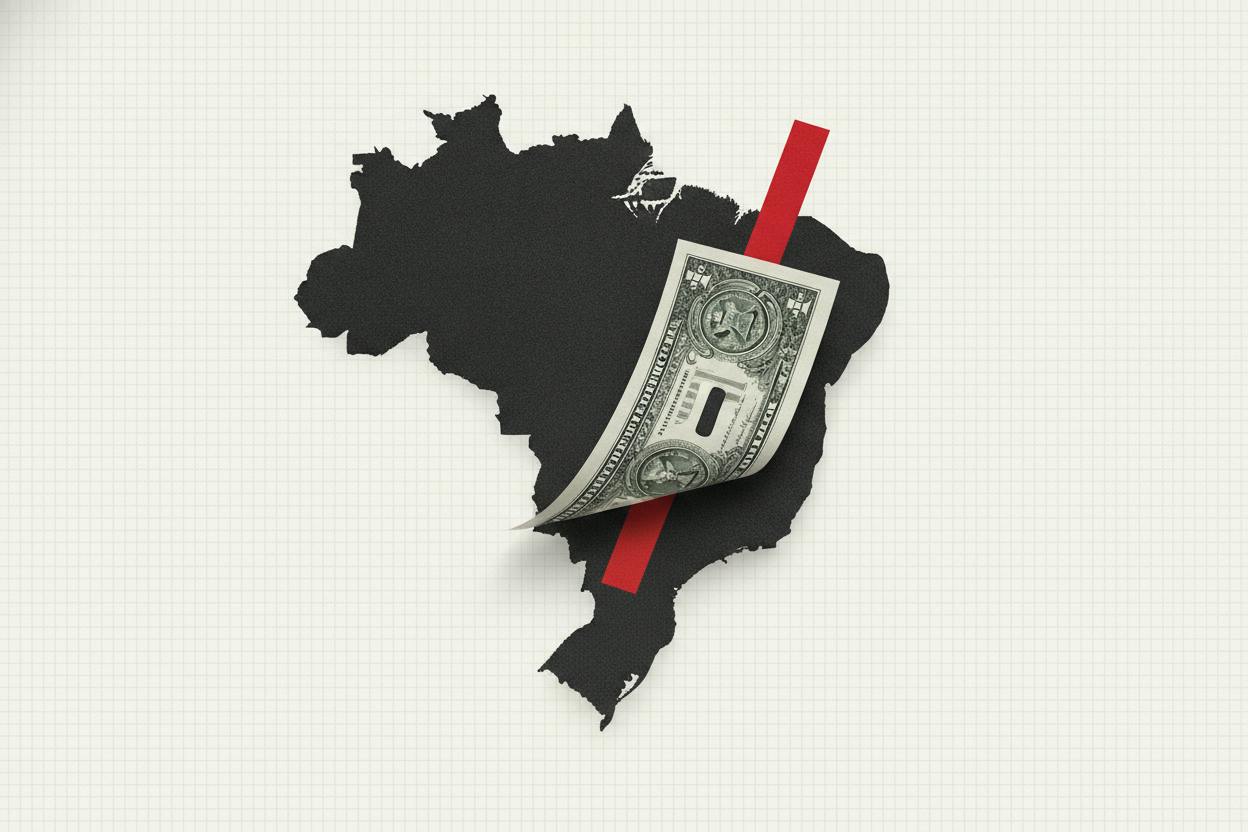
Emerging markets as a whole looked calm on Monday, but Brazil was a clear exception. The country's electoral court confirmed Luiz Inácio Lula da Silva as president on Sunday, and US-listed Brazilian shares slipped in premarket trading as investors began to price in a new political reality.
The contrast was stark: MSCI's broad emerging-market stock and currency gauges were flat, helped by a pullback in oil prices that eased some pressure on import-dependent economies. But Brazil's assets moved on their own, reflecting the uncertainty that a change in leadership brings.
Why Brazil's election matters to markets
Presidential transitions are always significant for investors, but they carry extra weight in emerging markets, where political direction can heavily influence economic policy. Lula's victory marks a shift from the outgoing administration, and markets are now trying to figure out what that means for fiscal spending, state intervention, and relations with the private sector.
When a political outcome surprises or introduces uncertainty, the first place it shows up is often in the most liquid offshore instruments—things like US-listed shares and dollar-denominated bonds—because those trade even when local markets are closed. That's exactly what happened on Monday. By the time trading got underway, Brazil's dollar-denominated 2037 government bond was also under pressure, a sign that international investors were adjusting their expectations for the country's creditworthiness.
This is a familiar pattern in emerging markets. Political events force a repricing of risk, and the most accessible assets move first. Local markets, when they reopen, often follow suit, but the initial signal comes from offshore trading.
What this means for everyday investors
For most people, the immediate takeaway is not about Brazil specifically, but about how political events can ripple through markets. If you hold a diversified emerging-market fund, a single country's election may not move the needle much—as Monday's flat MSCI gauges showed. But if you own Brazilian assets directly, or a fund with heavy Brazil exposure, you're more exposed to this kind of political risk.
It's also worth remembering that elections are just one factor. The bigger driver for emerging markets right now is the Federal Reserve. Investors are looking ahead to the Fed's decision on October 28th, and that's likely to have a far larger impact on global capital flows than any single election. Higher US interest rates tend to pull money out of emerging markets, so the Fed's stance is a key watchpoint.
In the meantime, the oil price pullback offered some relief. Lower oil prices are generally good for emerging-market importers, though they can hurt exporters. Brazil, as a major oil producer, has a mixed relationship with crude prices—but the immediate market reaction was more about politics than petroleum.
What to watch next
Investors will be watching how Lula's team signals its economic priorities. Key questions include whether the new government will pursue fiscal discipline or increase spending, and how it will handle state-owned companies like Petrobras. These details will shape Brazil's risk premium in the weeks ahead.
For broader emerging markets, the focus remains on the Fed. The October 28th decision will set the tone for risk assets globally, and any surprises there could overshadow local political developments. As central bank decisions and earnings converge this week, volatility could pick up.
Brazil's situation is a reminder that in emerging markets, politics and economics are deeply intertwined. For investors, the key is to understand the risks—and to remember that a single country's election, while important, is just one piece of a much larger puzzle.