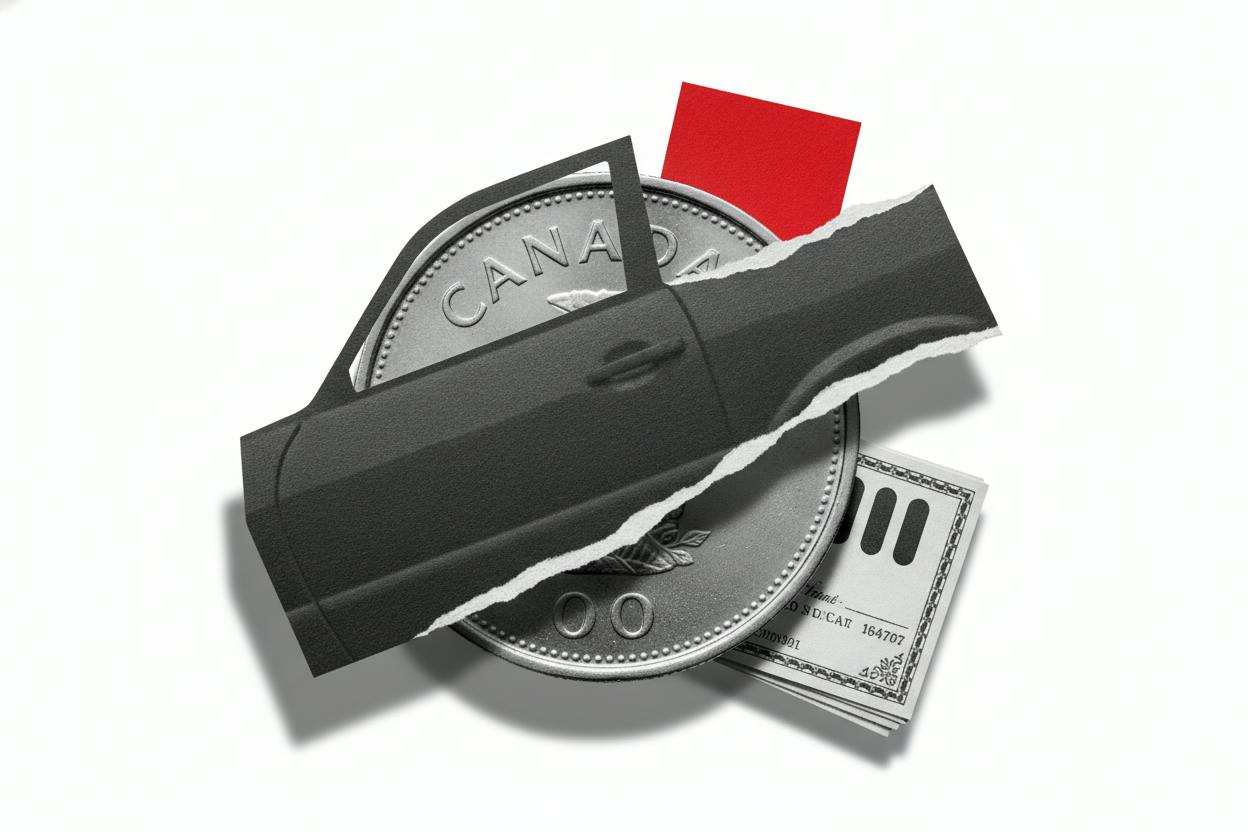
The Canadian dollar has been enjoying a tailwind from growing expectations that the Bank of Canada will raise interest rates, but analysts at Commerzbank caution that this support may be limited. The real challenge, they say, is the persistent threat of US tariffs on Canadian goods, which continues to weigh on the currency's outlook.
What's driving the loonie's recent strength?
Markets have become more "hawkish" on the Bank of Canada, meaning they expect the central bank to tighten monetary policy by raising rates. This shift is partly due to recent comments from Governor Tiff Macklem, who noted that strong oil prices are supporting economic growth but also adding to inflation risks. Higher expected rates typically make a currency more attractive to investors, because they can earn better returns on bonds denominated in that currency.
However, Commerzbank points out that there are limits to how much the Bank of Canada can tighten. Underlying inflation remains softer, and the labor market is cooling. As a result, the bank suggests that pricing in "more than four hikes by next September" may be an optimistic assumption. If those rate expectations are already priced into the market, the boost to the loonie could fade quickly.
The tariff cloud that won't lift
While rate expectations provide some support, Commerzbank argues that the bigger force acting on the Canadian dollar is political risk. President Donald Trump has threatened to raise tariffs on Canadian cars to 50% starting January 1st. Even the threat alone—along with the possibility of retaliation and prolonged uncertainty—can have a chilling effect on cross-border investment. Companies may delay spending decisions, which weighs on growth expectations in an economy deeply tied to US demand.
This dynamic is not unique to Canada. As we've seen with Volkswagen weighing a Georgia plant to ease US tariff risk, businesses are increasingly factoring tariff threats into their investment plans. For Canada, the auto sector is particularly exposed, and a jump to 50% tariffs could hit corporate profits and slow new spending.
What it means for investors
Currency markets don't just react to interest rates; they also build in a "risk premium"—an extra penalty when a country's outlook feels more uncertain. A potential jump to 50% tariffs on Canadian autos could widen that penalty, making it harder for the loonie to sustain gains. Even if investors keep betting on higher Bank of Canada rates, trade uncertainty can still leave the Canadian dollar lagging other G10 currencies.
For everyday investors, this means that the Canadian dollar's recent strength may not last. If you're holding Canadian assets or planning to convert currency, it's worth watching both the Bank of Canada's next moves and any developments on the tariff front. The recent five-week high for the loonie, driven by oil prices and retail sales, could be tested if trade tensions escalate.
Commerzbank's view aligns with other analysts who see the loonie facing headwinds. For instance, UBS has suggested that a BoC rate hike could push the Canadian dollar below CA$1.40 against the US dollar. While that's a specific forecast, it underscores the broader uncertainty.
Looking ahead
Investors will be watching several key factors in the coming weeks. First, any clarity on the tariff situation—whether the threat is carried out or negotiated away—will be crucial. Second, economic data from Canada, including inflation and employment figures, will shape expectations for the Bank of Canada's policy path. Third, oil prices will continue to play a role, as they influence both growth and inflation dynamics.
The broader market context also matters. As we've seen with the dollar slipping as oil and Treasury yields cool, currency moves are often tied to global trends. A shift in risk sentiment or a change in US monetary policy could affect the loonie's trajectory.
In the end, the Canadian dollar's fate hinges on a delicate balance between rate expectations and trade risks. While higher rates can provide support, the tariff threat is a reminder that political decisions can override economic fundamentals. For now, the loonie may continue to lag its peers, and investors should be prepared for volatility.