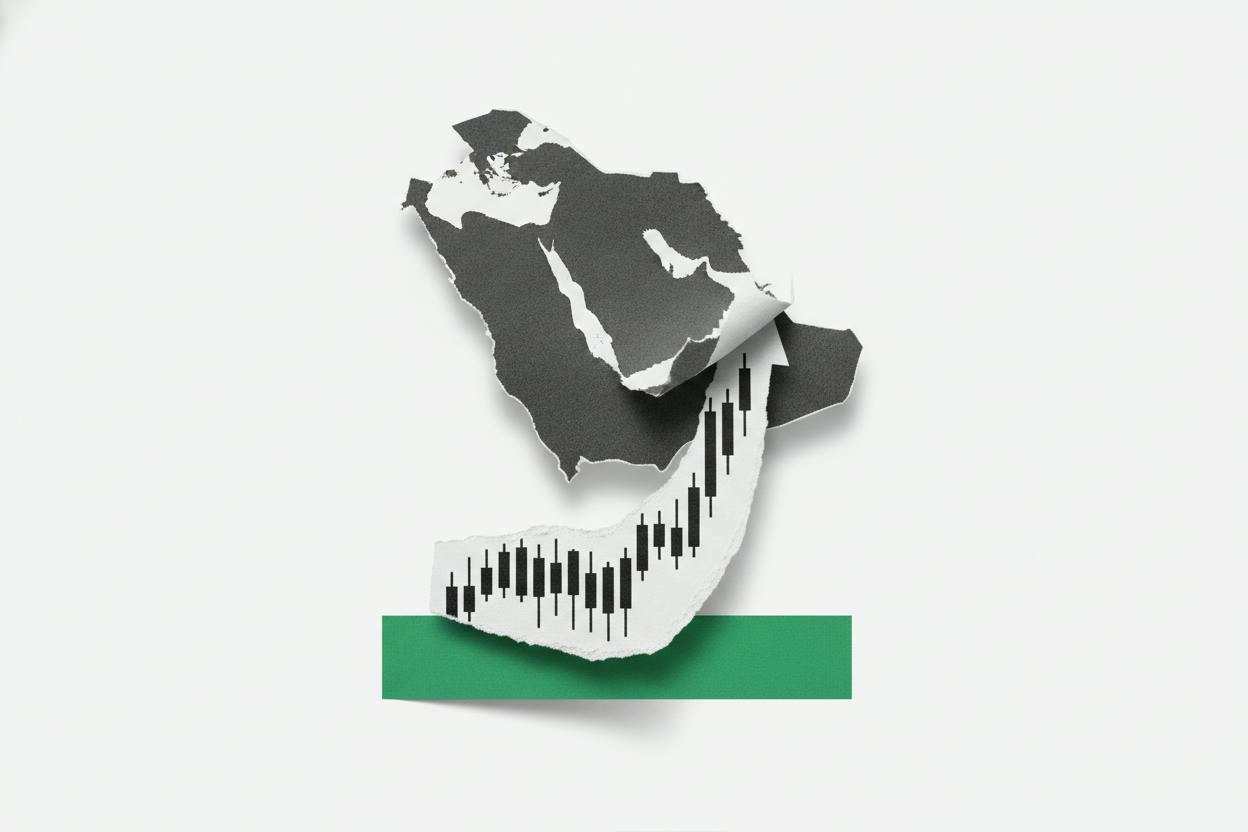
Saudi Arabia's stock market snapped a losing streak on Monday, with the Tadawul All Share Index (TASI) climbing 3.43%. The rebound came as investors took comfort from reports of planned talks between regional powers and fresh trade data showing a wider surplus.
The gains were driven more by sentiment than by changes in company fundamentals. According to reports, officials from countries linked to the Mecca pact—including Saudi Arabia, Pakistan, and Turkey—were planning to meet Iranian officials in Tehran to discuss Houthi attacks originating from Yemen. While such talks are preliminary, they signal a possible de-escalation of regional tensions, which can have an outsized effect on markets.
What's behind the move?
For investors, the key driver is what analysts call "tail risk"—the risk of an extreme, low-probability event that could cause outsized losses. When geopolitical tensions are high, investors demand a higher return to hold stocks in the region, effectively applying a "geopolitical discount" to valuations. News of potential dialogue can reduce that perceived risk, prompting investors to accept lower returns and pushing prices up.
This type of rally is often described as a "valuation move" because it doesn't rely on improved earnings forecasts. Instead, it reflects a repricing of uncertainty. The catch is that such moves can reverse quickly if talks stall or tensions flare again. A single day's jump, while welcome, may be more fragile than a rally built on solid profit growth.
Trade data: a mixed picture
Separately, Saudi Arabia's General Authority for Statistics reported that the merchandise trade surplus widened to 15.60 billion riyals in August, up from a revised 13.24 billion riyals in July. On the surface, that looks like a positive development. But the details tell a more nuanced story.
Exports fell 11.5% year over year, while imports dropped 9.1%. The surplus widened only because imports shrank faster than exports. That points to softer demand both at home and abroad, and suggests trade flows remain choppy. For the broader economy, a wider surplus can support the currency and government finances, but falling exports—particularly oil—are a reminder of the challenges facing the kingdom as it seeks to diversify.
This trade data echoes a broader trend seen across the region, where falling oil sales have weighed on export revenues even as import demand cools.
Aramco's Singapore move
In another development, Saudi Aramco, the state oil giant, announced plans to sign a memorandum of understanding to store Saudi crude in Singapore's Jurong Rock Caverns, with operations expected to begin in the second half of 2027. The move highlights how energy logistics and security planning are intertwined with geopolitics in shaping investor confidence.
Having crude stored closer to key Asian markets could provide flexibility in responding to demand shifts or supply disruptions. It also underscores the importance of energy infrastructure in the region's economic stability.
What it means for investors
For everyday investors, the TASI's rebound is a reminder that geopolitical headlines can move markets in ways that are not always tied to company performance. When tensions ease, stocks can rally quickly as investors reassess risk. But such rallies can be volatile.
If you hold Saudi stocks or funds with exposure to the region, it's worth watching whether the diplomatic talks progress. A sustained de-escalation could support valuations over the longer term, but a breakdown in negotiations could just as easily erase Monday's gains.
It's also important to keep an eye on oil prices, which often move in tandem with geopolitical developments. Similar dynamics have played out in other Gulf markets, where oil and tension headlines frequently drive daily moves.
For now, the market's rebound appears to be a sentiment-driven repricing rather than a fundamental shift. Investors should be cautious about reading too much into a single day's move and instead focus on the broader trends—trade balances, oil prices, and diplomatic progress—that will shape the region's markets in the months ahead.