The latest inflation data from the Federal Reserve's preferred gauge came in cooler than expected, but Treasury yields still rose on Friday, highlighting the complex forces at play in bond markets.
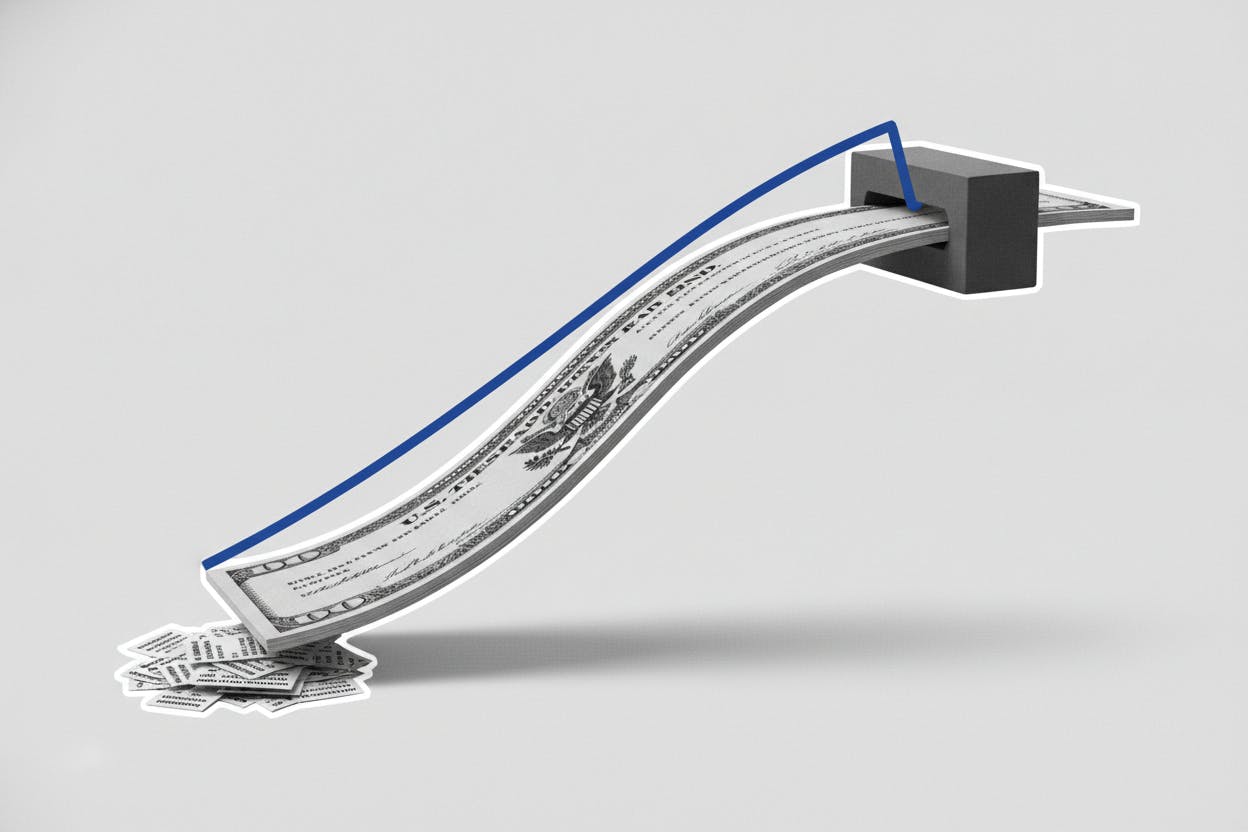
June's Personal Consumption Expenditures (PCE) price index showed headline prices falling 0.1% from the prior month, bringing the annual rate down to 3.7% from 4.1% in May. Core PCE, which strips out volatile food and energy costs, rose just 0.1% on the month and slowed to 3.3% year-over-year. Normally, softer inflation would pull Treasury yields lower, as investors begin to price in the possibility of lower interest rates from the Federal Reserve. But the 10-year Treasury yield actually ticked up to 4.657% on Friday, defying the typical pattern.
Why yields rose despite cooler inflation
The move higher in yields suggests that bond investors are looking beyond the headline inflation numbers and focusing on other factors. One key concern is the pace of economic growth. While inflation is cooling, the economy is still showing signs of resilience, which could keep the Fed from cutting rates as quickly as some had hoped. The US economy grew 1.5% in Q2, driven by strong consumer spending, but that same spending has kept inflation elevated in some areas.
Another factor weighing on yields is the wave of large finance deals that have been announced recently. When companies issue new debt to fund acquisitions or other activities, it increases the supply of bonds on the market, which can push yields higher. MarketAxess, a bond trading platform, saw its shares jump 29% on Friday, partly due to the surge in deal activity. The company benefits when more bonds are traded, and the recent flurry of big finance deals has boosted trading volumes.
What the PCE report tells us
The PCE price index is the Fed's preferred measure of inflation because it accounts for changes in consumer behavior more accurately than the Consumer Price Index (CPI). For example, if the price of beef rises sharply, consumers might switch to chicken, and the PCE index captures that substitution effect. The June report showed that price pressures are easing across the board, which is a positive sign for the Fed's battle against inflation.
However, the core PCE rate of 3.3% is still well above the Fed's 2% target. While the trend is moving in the right direction, policymakers have made it clear that they need to see sustained progress before they consider cutting interest rates. The 30-year Treasury yield recently hit a 19-year high, reflecting the market's skepticism that the Fed will ease policy anytime soon.
What it means for investors
For everyday investors, the rise in Treasury yields despite cooler inflation is a reminder that bond markets are influenced by many factors beyond just the monthly inflation data. Yields reflect expectations for economic growth, fiscal policy, and global demand for US government debt, among other things.
Higher Treasury yields can have ripple effects across financial markets. They make bonds more attractive relative to stocks, which can put downward pressure on equity prices. They also increase borrowing costs for companies and consumers, which can slow economic activity. On the positive side, higher yields mean better returns for savers who hold bonds or bond funds.
The recent move in yields also highlights the divergence between the US and other major economies. While the Fed is holding rates steady, other central banks are cutting rates or signaling they will. The Bank of England held its rate at 3.75% recently, with some officials warning about energy-driven inflation. Meanwhile, the Taiwan central bank held its rate at 2% amid a split over energy inflation risks. These differing policy paths can affect currency markets and global capital flows.
Looking ahead
Investors will be watching the next round of economic data closely, including the July jobs report and the next CPI release. If inflation continues to cool while the economy slows, the Fed may have room to cut rates later this year. But if growth remains strong and inflation stays sticky, yields could move higher still.
The bond market's reaction to the June PCE report suggests that investors are not yet convinced that the inflation battle is won. Until the Fed signals a clear shift in policy, Treasury yields are likely to remain elevated, with implications for everything from mortgage rates to stock valuations.