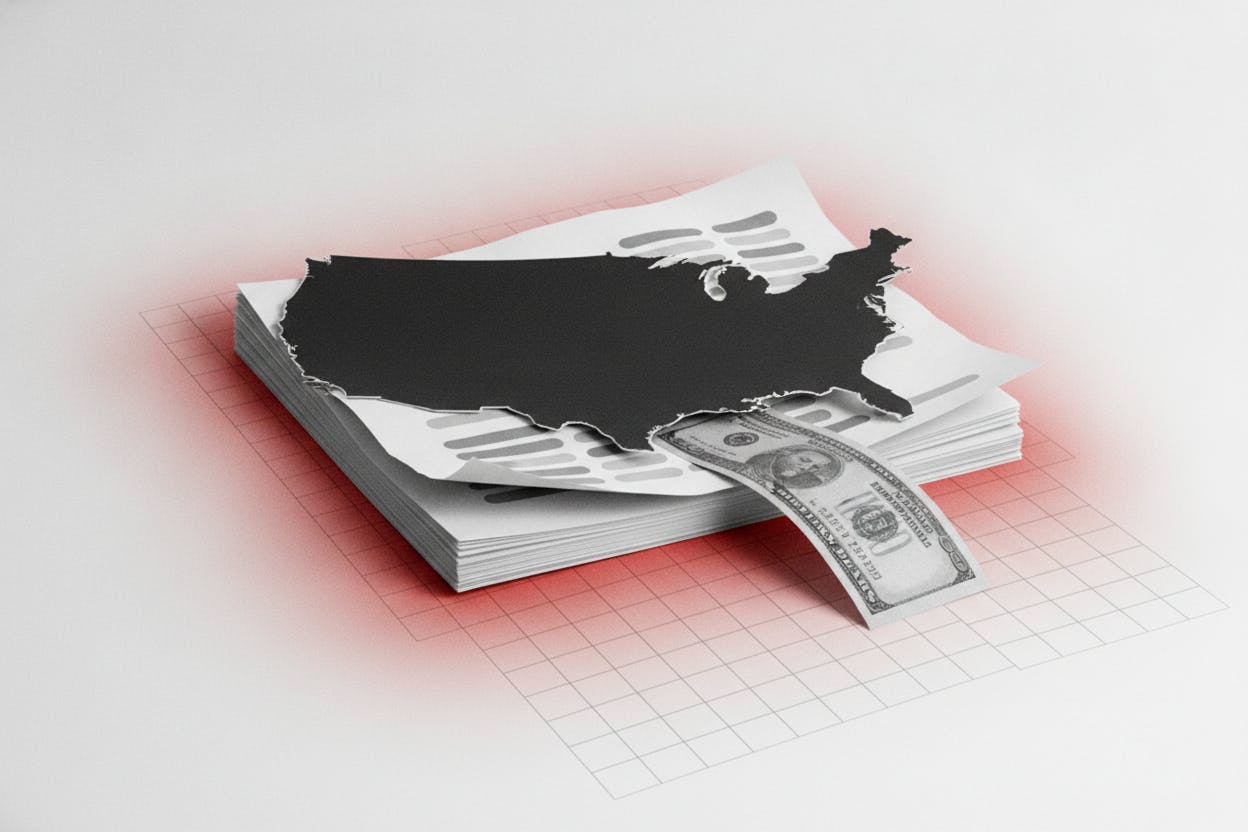
The US economy grew at a slower pace than expected in the second quarter, even as consumers opened their wallets wider. Gross domestic product — the broadest measure of economic output — rose at a 1.5% annualized rate, according to the Commerce Department's advance estimate. That fell short of the 2.0% that economists had forecast and marked a deceleration from the first quarter's pace.
The headline number might look disappointing, but the details tell a more nuanced story. Consumer spending, which accounts for roughly two-thirds of economic activity, accelerated sharply. Spending rose at a 3.2% annual rate in the April-through-June period, up from just 0.5% in the first quarter. That pickup suggests households remain confident enough to keep buying cars, dining out and traveling, even as borrowing costs stay elevated.
So why did overall growth slow? The answer lies in the other components of GDP. Businesses drew down inventories rather than restocking, which subtracted from growth. Trade was also a drag, as imports outpaced exports. And government spending declined, partly reflecting lower federal outlays. In short, the consumer is still driving the bus, but other parts of the economy are hitting the brakes.
Inflation remains sticky
The GDP report also contained a fresh reading on inflation that will get close attention at the Federal Reserve. The personal consumption expenditures (PCE) price index — the Fed's preferred inflation gauge — rose 5.1% in the second quarter compared with a year earlier. That is well above the central bank's 2% target and signals that price pressures are not fading as quickly as many had hoped.
Core PCE, which strips out volatile food and energy prices, also came in hot. While the brief does not specify the core figure, the headline number alone reinforces the challenge facing Fed policymakers. They have been raising interest rates aggressively to cool demand and bring inflation down, but the latest data suggests that mission is far from complete.
The combination of slowing growth and stubborn inflation is an uncomfortable one for investors. It raises the specter of stagflation — a period of weak economic expansion coupled with high inflation — though most economists stop short of using that label. The labor market remains strong, with unemployment near historic lows, which is a key difference from the stagflation era of the 1970s.
What it means for investors
For everyday investors, the Q2 GDP report sends mixed signals. On one hand, the consumer spending surge is a positive sign for companies that rely on domestic demand. Retailers, restaurants and travel-related businesses could benefit if the trend continues. Recent earnings reports from companies like Mastercard have also pointed to resilient consumer activity, even as the recovery remains uneven across sectors.
On the other hand, the inflation reading means the Fed is unlikely to pivot to rate cuts anytime soon. Higher interest rates tend to weigh on stock valuations, especially for growth-oriented companies, and increase borrowing costs for businesses and households. Bond yields could stay elevated, making fixed-income investments more attractive relative to equities.
The inventory drawdown is another factor to watch. If businesses have been cautious about restocking, that could signal they expect softer demand ahead. But it could also set the stage for a rebound in production later this year if consumer spending holds up and companies need to rebuild shelves.
Investors should also keep an eye on how other major economies are faring. The eurozone economy grew 0.4% in Q2, beating forecasts despite higher energy costs, which suggests global demand is not collapsing. Meanwhile, Saudi Arabia's economy shrank 4.8% as oil output plunged, highlighting how commodity-dependent economies are feeling the pinch from lower energy prices.
What to watch next
The GDP report is just an advance estimate and will be revised twice in the coming months. But the broad contours are unlikely to change much. The key question for markets is whether consumer spending can maintain its momentum in the face of still-high inflation and elevated interest rates.
Upcoming data on retail sales, consumer confidence and weekly jobless claims will provide more clues. So will the next Fed meeting, where policymakers will weigh whether another rate hike is needed. For now, the economy is sending a mixed message: consumers are spending, but growth is slowing, and inflation is not yet tamed. That leaves investors navigating a landscape where patience and diversification may be more valuable than ever.