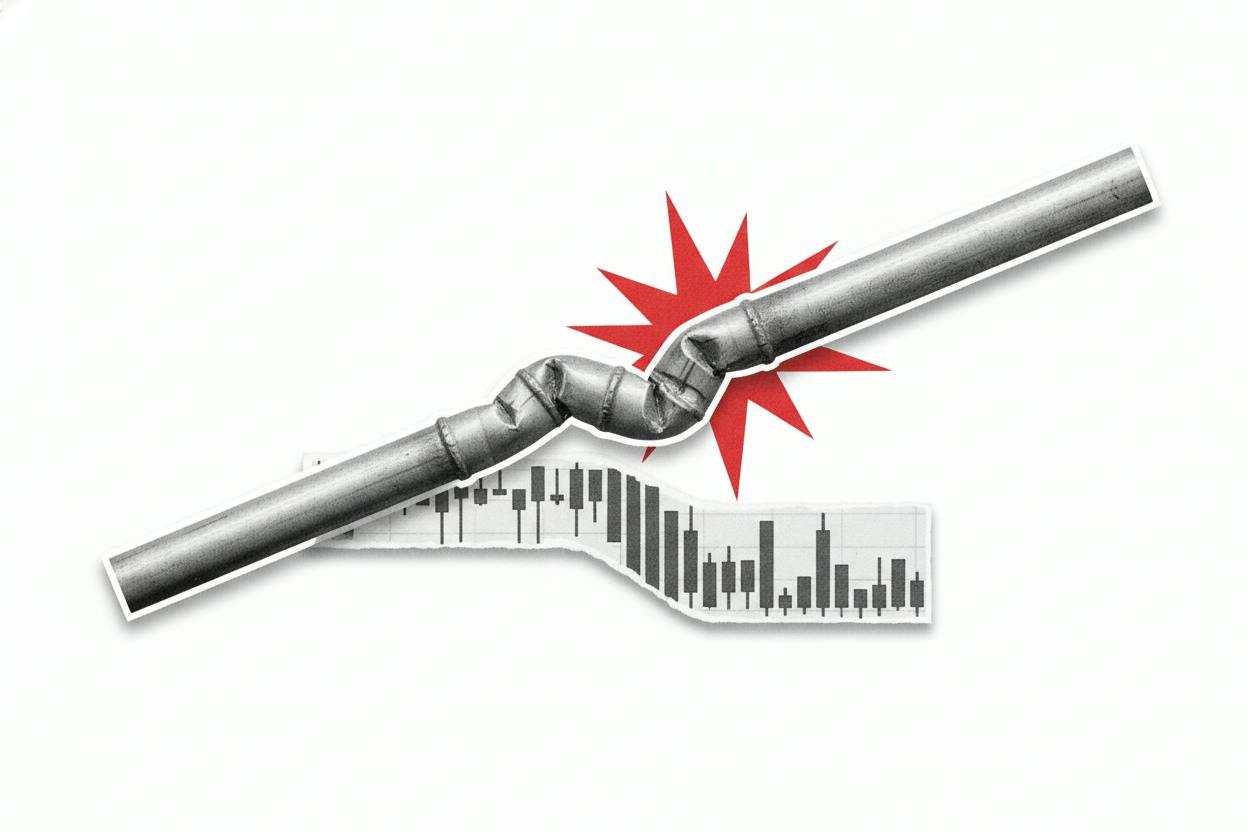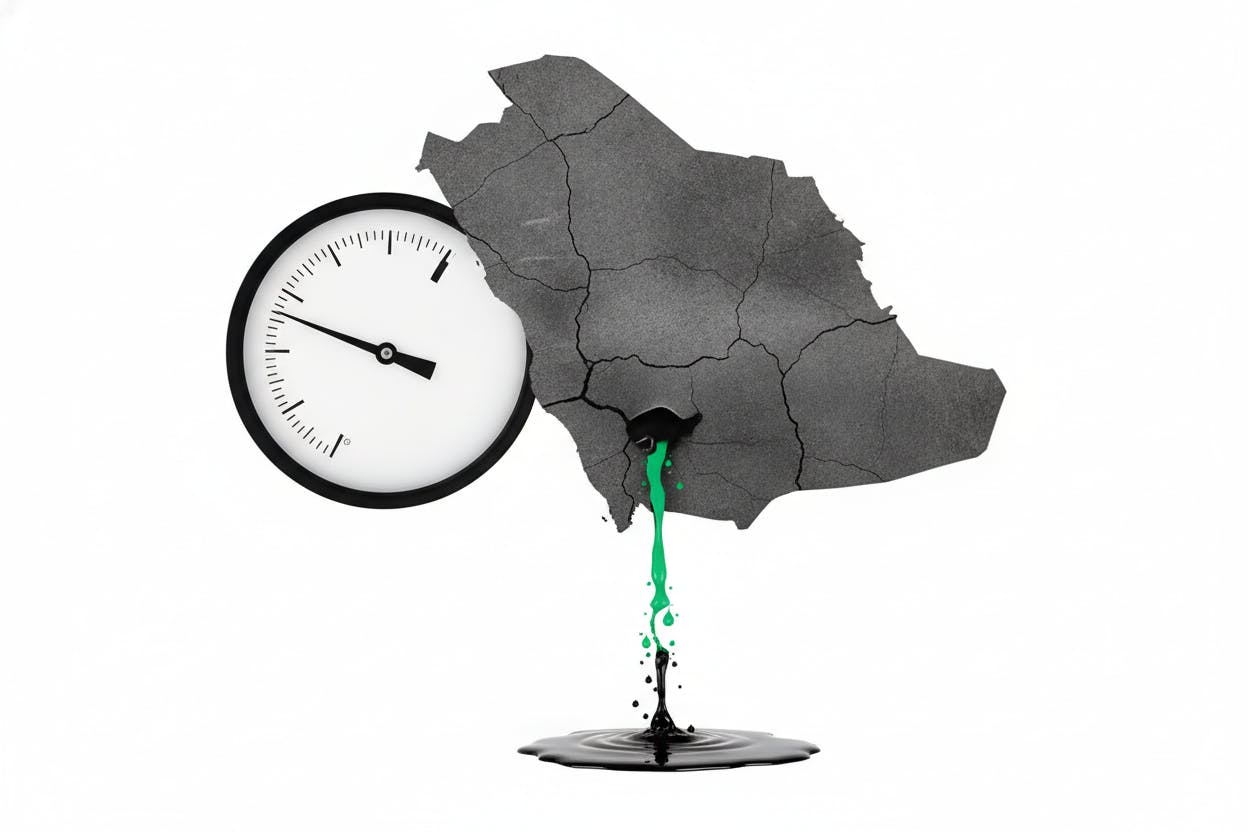
Saudi Arabia's economy contracted sharply in the second quarter, as a steep drop in oil production overwhelmed the non-oil sector's modest gains. Flash estimates from the kingdom's statistical agency showed real gross domestic product fell 4.8% from a year earlier, driven by a 24.7% plunge in oil activities.
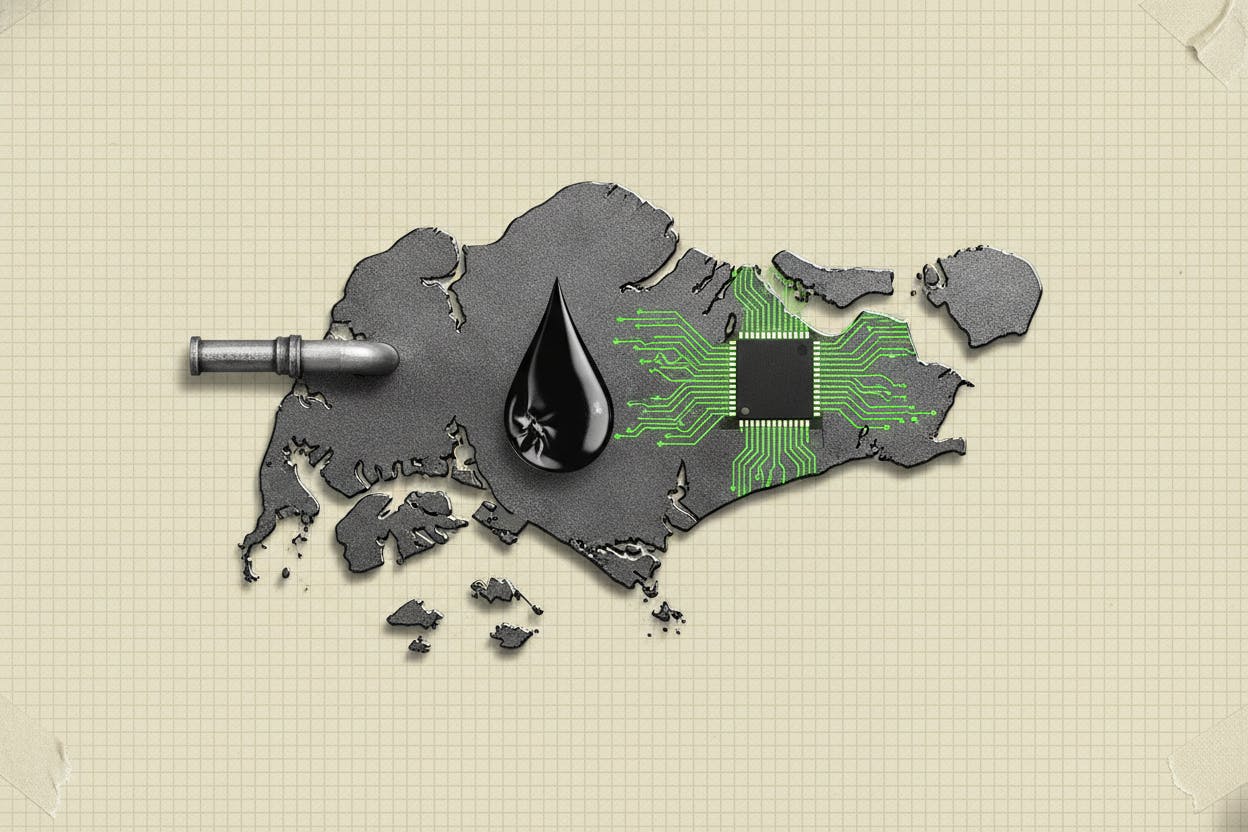
The headline figure is a stark reminder that, despite years of ambitious diversification efforts under Vision 2030, crude still dominates the Saudi economy. Oil activities alone subtracted 5.4 percentage points from overall growth, while non-oil activities added just 0.4 percentage points and government services contributed a mere 0.1 percentage points.
Quarter-on-quarter decline deepens
The weakness was also evident on a seasonally adjusted quarterly basis. The economy contracted 4.9% compared with the first quarter, with oil activities falling 21.5% and non-oil activities slipping 0.5%. That sequential drop suggests the drag from lower oil output is not just a year-over-year comparison issue but an ongoing headwind.
Saudi Arabia has been voluntarily cutting crude production as part of OPEC+ agreements aimed at propping up global oil prices. While those cuts have helped stabilize the market, they come at a direct cost to the kingdom's own economic output. The tension between supporting prices and maintaining growth is a familiar challenge for oil-dependent economies.
What it means for investors
For investors, the data is a cautionary signal about the Saudi market's vulnerability to oil price and production decisions. Even as the kingdom pushes to build up sectors like tourism, technology and finance, the economy remains heavily tied to the energy sector. Saudi stocks have already shown sensitivity to geopolitical and oil market developments, and this GDP print could add to caution among foreign investors.
The non-oil sector's near-flat contribution is also worth watching. If the kingdom's diversification strategy is to succeed, non-oil growth will need to accelerate meaningfully to offset the drag from oil. For now, the data suggests that transition is still in its early stages.
On the positive side, the oil output cuts are a deliberate policy choice, not a sign of declining reserves or technical problems. Saudi Arabia has the capacity to ramp up production when OPEC+ quotas allow, which could quickly reverse the GDP contraction. Investors will be watching the next OPEC+ meeting for any signals on output policy changes.
Broader economic context
The Saudi contraction comes at a time when other major economies are also showing signs of slowing. Canada's economy posted modest growth in May but faces cooling headwinds, while Quebec's economy stalled amid US tariff threats. The global economic backdrop remains uneven, with energy-exporting nations particularly exposed to commodity price swings.
For everyday investors, the key takeaway is that Saudi Arabia's economic fortunes are still tightly linked to oil. Any investment exposure to the kingdom—whether through Saudi stocks, bonds or real estate—carries an implicit bet on crude markets. Diversification efforts may pay off over the long term, but the second-quarter data shows that transition has a long way to go.
The flash estimate is preliminary and subject to revision, but the direction is clear. Until non-oil sectors can generate sustained, meaningful growth, Saudi Arabia's economy will continue to rise and fall with the price and volume of its most famous export.