Saudi Arabia's stock market edged lower on Tuesday as investors weighed diplomatic signals around the Strait of Hormuz, a narrow waterway that carries a significant share of the world's seaborne oil. The Tadawul All Share Index slipped as traders assessed what a potential regional management plan could mean for near-term oil shipments and broader Gulf stability.
What's happening with the Strait of Hormuz?
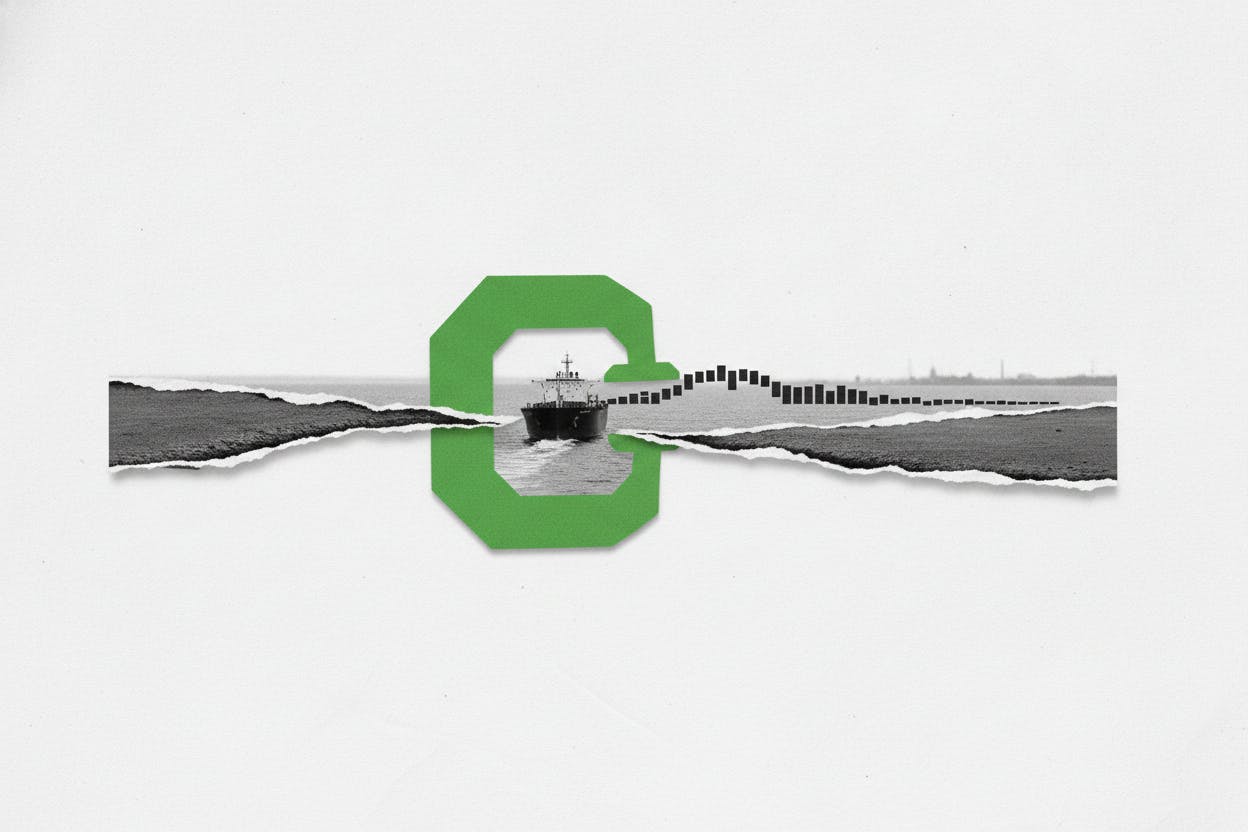
The Strait of Hormuz is a narrow channel between Oman and Iran that connects the Persian Gulf to the Gulf of Oman and the open ocean. About one-fifth of the world's oil passes through it daily, making it one of the most strategically important chokepoints for global energy markets. Any perceived risk of disruption — whether from military tensions, diplomatic standoffs, or shipping incidents — can move oil prices and, by extension, stock markets in the region.
According to Reuters, Oman has floated a proposal for a joint regional mechanism to manage the waterway. A Gulf source told the news agency that the plan would not give Iran sole control and that any fees collected would be voluntary contributions to support safe navigation. The report comes amid a backdrop of ongoing tensions: Iran's Foreign Ministry said there were no formal negotiations with the United States, while other regional dynamics remain unsettled.
For investors, the key question is whether this diplomatic initiative reduces the risk of a sudden supply disruption. Even a partial easing of tensions could take some of the risk premium out of oil prices, which would affect energy stocks and Gulf equities more broadly.
Brent crude slips alongside stocks
Brent crude, the international benchmark, also fell on the day. Lower oil prices typically weigh on Saudi stocks because the kingdom's economy and corporate earnings are closely tied to energy revenues. The Saudi government's budget, state-owned oil giant Saudi Aramco's profits, and the broader non-oil economy all benefit from higher crude prices. When oil dips, it can dampen sentiment across the Tadawul.
The move in oil was modest, suggesting traders are still uncertain about the trajectory of supply and demand. The Strait of Hormuz news adds another layer of complexity to an already noisy backdrop that includes shifting signals on US-Iran relations and broader global economic concerns.
Earnings season adds to the mix
Several large Tadawul-listed companies reported quarterly results around the same time, giving investors company-specific news to digest alongside the macro headlines. Earnings season in Saudi Arabia often moves individual stocks and can influence the broader index, especially when big names miss or beat expectations.
While the brief did not specify which companies reported or the direction of their results, the combination of earnings releases and geopolitical news created a busy session for traders. In markets like Saudi Arabia, where a handful of large stocks — including banks, petrochemical firms, and Saudi Aramco — dominate the index, even a few big movers can shift the overall market.
What it means for everyday investors
For ordinary investors, the Strait of Hormuz story is a reminder that geopolitical risk is a regular feature of oil markets and Gulf equities. Even diplomatic trial balloons can move prices, because the stakes are so high. A disruption at the strait could send oil prices sharply higher, benefiting energy stocks but potentially hurting importing economies and raising costs for consumers.
However, investors should be cautious about reading too much into a single day's move. Diplomatic initiatives often take months or years to materialize, and the situation remains fluid. The Omani proposal is still at an early stage, and it is unclear whether other Gulf states or Iran will support it.
For those with exposure to Saudi stocks or energy funds, the key takeaway is to stay informed about developments in the region but avoid making impulsive decisions based on daily headlines. Diversification across sectors and geographies can help cushion the impact of any single geopolitical event.
Looking ahead, traders will watch for any official statements from Gulf governments, Iran, or the United States that could clarify the prospects for the Omani plan. They will also keep an eye on oil inventory data and demand forecasts, which will shape the broader outlook for crude prices and Gulf equities in the weeks ahead.