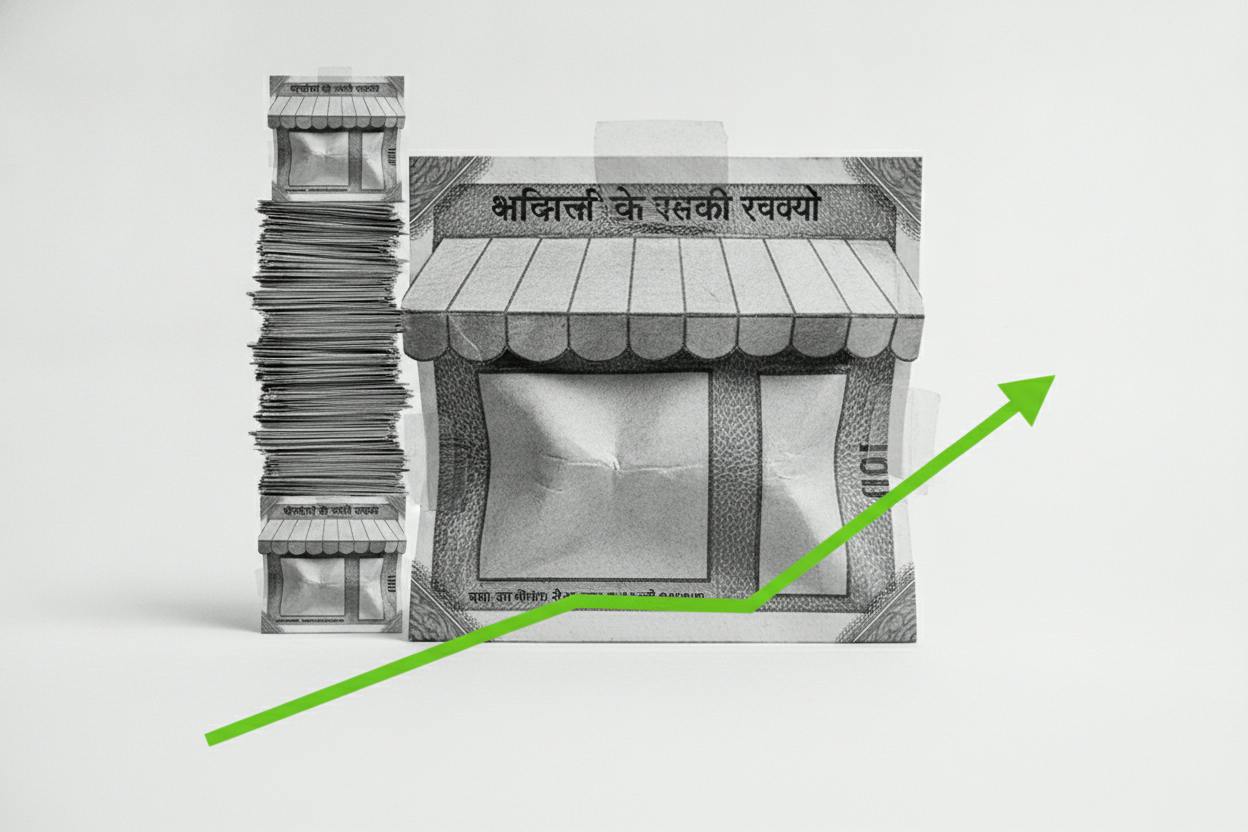
Trent, the Tata Group-owned retailer that operates the Westside and Zudio fashion chains, said its standalone revenue climbed 23% year-on-year in the July–September quarter to 57.88 billion rupees. The company also expanded its physical footprint, with its store count rising to 1,342 during the period.
The update offers a fresh snapshot of Indian consumer spending, which has remained resilient even as the broader economy faces headwinds from elevated interest rates and patchy monsoon rains. For everyday investors, Trent's numbers are a useful gauge of how discretionary spending is holding up in the world's most populous nation.
What's driving the growth
Trent's growth is largely powered by its two main brands. Westside targets mid-to-upper-income shoppers with a wider range of apparel and accessories, while Zudio is a fast-fashion label aimed at budget-conscious consumers. The latter has been a key growth engine, benefiting from a shift toward affordable fashion in a price-sensitive market.
The company's expansion strategy is straightforward: open more stores in high-traffic locations, particularly in tier-2 and tier-3 cities where mall culture is still developing. By the end of September, Trent operated 1,342 stores, up from a year earlier, reflecting an aggressive rollout that has helped it capture market share from both organised and unorganised retailers.
Fast fashion—a segment that churns out trendy, low-cost clothing at speed—has been a bright spot in India's retail landscape. Trent's performance aligns with that trend, as consumers trade down from premium brands or shift from local markets to branded outlets.
Broader consumer signals
Trent's numbers are not an isolated data point. Other consumer-facing companies have also reported healthy demand. Marico, a consumer-goods firm known for brands like Parachute and Saffola, recently guided to double-digit revenue growth. Godrej Consumer Products, another major player, expects its sales to grow in the high teens for the September quarter, despite facing cost pressures.
These signals suggest that Indian consumers are still spending, even as some economists warn of a slowdown in urban demand. The resilience is partly due to a large domestic market, rising incomes, and a growing preference for branded goods. However, investors should note that the picture is mixed: while fast fashion and consumer staples are holding up, other sectors like autos and real estate have shown more uneven trends.
What it means for investors
For those holding Trent shares or considering an entry, the key takeaway is that the company is executing well on its expansion plans. The 23% revenue growth is a strong result, especially in a quarter that often sees softer demand due to seasonal factors. The store count increase also signals management's confidence in the brand's appeal.
But investors should weigh the risks. Trent's valuation is not cheap, reflecting the market's high expectations for continued growth. Any slowdown in consumer spending or a misstep in store expansion could hit the stock hard. Additionally, the fast-fashion sector is competitive, with rivals like Reliance Retail and Aditya Birla Fashion also vying for the same customers.
For a broader perspective, the company's performance is a useful bellwether for Indian retail. If Trent can sustain this pace, it bodes well for the sector. If not, it could be an early warning sign of weakening demand.
Looking ahead
Investors will be watching Trent's full-year results, particularly its ability to maintain same-store sales growth—a metric that measures revenue from existing outlets. The company's expansion into new cities and its ability to manage costs will also be in focus.
For now, the July–September update paints a picture of a retailer that is growing steadily, backed by a consumer base that remains willing to spend on affordable fashion. Whether that momentum continues into the festive season—a crucial period for Indian retailers—will be the next test.