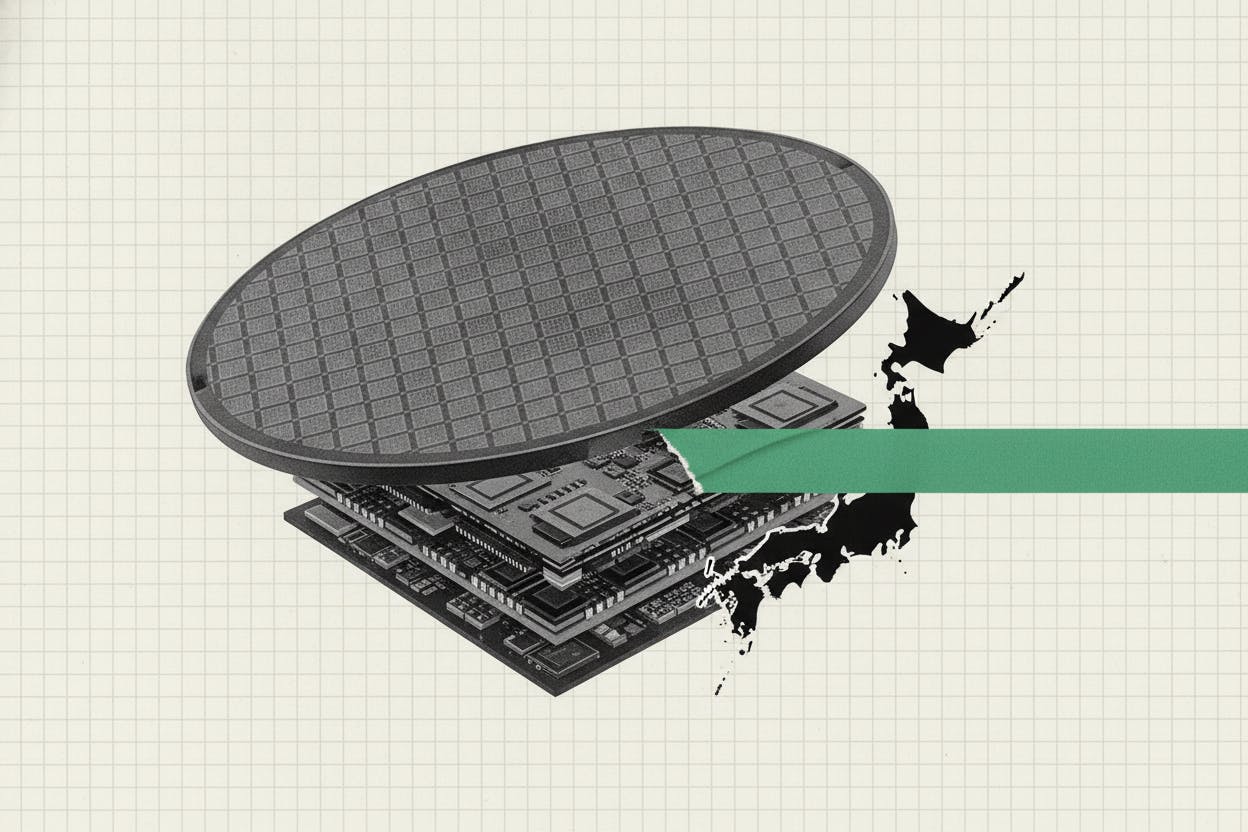
Taiwan Semiconductor Manufacturing Company (TSMC), the world's largest contract chipmaker, has given the green light to a major expansion. The company's board approved about $29.4 billion in spending to boost advanced chipmaking and packaging capacity, and also signed off on a new image-sensor joint venture in Japan led by Sony, with volume production targeted for 2029.
The decision comes as demand for cutting-edge semiconductors remains strong, driven by artificial intelligence, cloud computing, and a broad range of consumer electronics. TSMC's customers include many of the biggest names in tech, and the company's ability to deliver chips on time is critical to the entire industry.
Why packaging matters
When most people think of chipmaking, they picture the complex process of printing circuits onto silicon wafers. But that's only part of the story. After a chip is fabricated, it must be packaged—assembled, connected, and protected so it can actually be plugged into a device. Advanced packaging, which stacks multiple chips together to boost performance, has become a key bottleneck in the industry.
TSMC's board is trying to relieve several pinch points at once. The approved spending includes roughly $16.0 billion for advanced-technology capacity and $4.79 billion for advanced packaging. The rest of the budget is earmarked for other manufacturing and operational needs. By investing in both fabrication and packaging, TSMC aims to ensure that its most advanced chips can move from the factory floor to finished products without delays.
This is a familiar theme for the company. In recent years, TSMC has repeatedly expanded its capacity to keep up with demand, and it has also built new facilities in the United States, Japan, and Europe to diversify its manufacturing footprint. The new Japan venture, led by Sony, is another step in that direction.
The Sony-led joint venture
The Japan project is focused on image sensors—the components that capture light in cameras, smartphones, and other devices. Sony is a dominant player in this market, and teaming up with TSMC gives it access to the chipmaker's manufacturing expertise. The venture will be based in southern Japan, and volume production is expected to start in 2029.
For TSMC, the deal strengthens its presence in Japan, where it already operates a specialty chip plant. It also diversifies its revenue base beyond logic chips, which are the brains of computers and phones, into the sensor market, which is growing with the rise of autonomous vehicles, security systems, and augmented reality.
The move is part of a broader trend of chipmakers forming joint ventures and partnerships to share the high costs of building new facilities. A single advanced chip plant can cost tens of billions of dollars, and no company wants to shoulder that burden alone. By teaming up with Sony, TSMC spreads the risk while securing a foothold in a lucrative niche.
What it means for investors
For everyday investors, this announcement is a signal that TSMC is confident about future demand. The company is putting billions of dollars on the line to expand capacity, which suggests it expects orders to keep flowing for years to come. That's a positive sign for the broader semiconductor sector, which has seen its fortunes swing with the ups and downs of the global economy.
But it's also worth noting that big capital expenditures don't always translate into immediate profits. Building new factories and packaging lines takes time, and the payoff may not come until later this decade. Investors should watch how TSMC manages its spending and whether it can maintain its profit margins while investing heavily in growth.
The Japan venture, meanwhile, could open up new revenue streams, but it's a long-term play. Volume production isn't expected until 2029, so any financial impact is years away. For now, the announcement is more about strategy than near-term earnings.
TSMC's expansion also has implications for the global chip supply chain. As the company builds more capacity in Japan and elsewhere, it reduces its reliance on any single region, which could make the industry more resilient to disruptions. That's a consideration for investors who worry about geopolitical risks, such as tensions between China and Taiwan, where TSMC is headquartered.
In the meantime, the company's stock remains a bellwether for the tech sector. When TSMC invests heavily, it often signals that the AI and computing boom is still going strong. For investors, that's a reason to keep an eye on the company's earnings reports and any updates on its construction timelines.
As always, it's important to remember that past performance isn't a guarantee of future results. While TSMC's expansion plans are ambitious, they come with execution risks. Delays, cost overruns, or a sudden drop in demand could all affect the company's returns. But for now, the board's approval suggests that TSMC sees a long runway of growth ahead.