Canada's main stock index futures ticked higher Thursday morning, lifted by better-than-expected earnings from two major commodity producers and steady prices for oil and gold. The S&P/TSX Composite futures rose 0.3%, signaling a positive open for a market that is heavily influenced by resource stocks.
Earnings season provides a lift
Vermilion Energy and Kinross Gold both reported stronger second-quarter profits, helping to set a constructive tone for the day. Vermilion, a Calgary-based oil and gas producer, benefited from higher production and cost controls, while Kinross, one of the world's largest gold miners, saw gains from elevated gold prices and operational improvements.
These results come during a busy earnings season, when investors closely watch company reports to gauge the health of corporate Canada. For the TSX, which has a large weighting in energy and mining stocks, earnings from these sectors can move the entire index.
Commodity prices hold firm
Oil prices edged up 0.2% on Thursday, with Brent crude trading near $85 a barrel, while spot gold rose 0.3% to around $2,380 an ounce. The modest gains were supported by ongoing tensions in the Middle East, which have kept a floor under commodity prices as traders factor in potential supply disruptions.
Geopolitical risk has been a persistent theme this year, with conflicts in the region raising concerns about energy supply routes and safe-haven demand for gold. While no major escalation has occurred recently, the uncertainty continues to underpin prices. For context, the Middle East conflict has hit revenue for some global companies, but for commodity producers it has often meant higher selling prices.
Why the TSX is sensitive to commodities
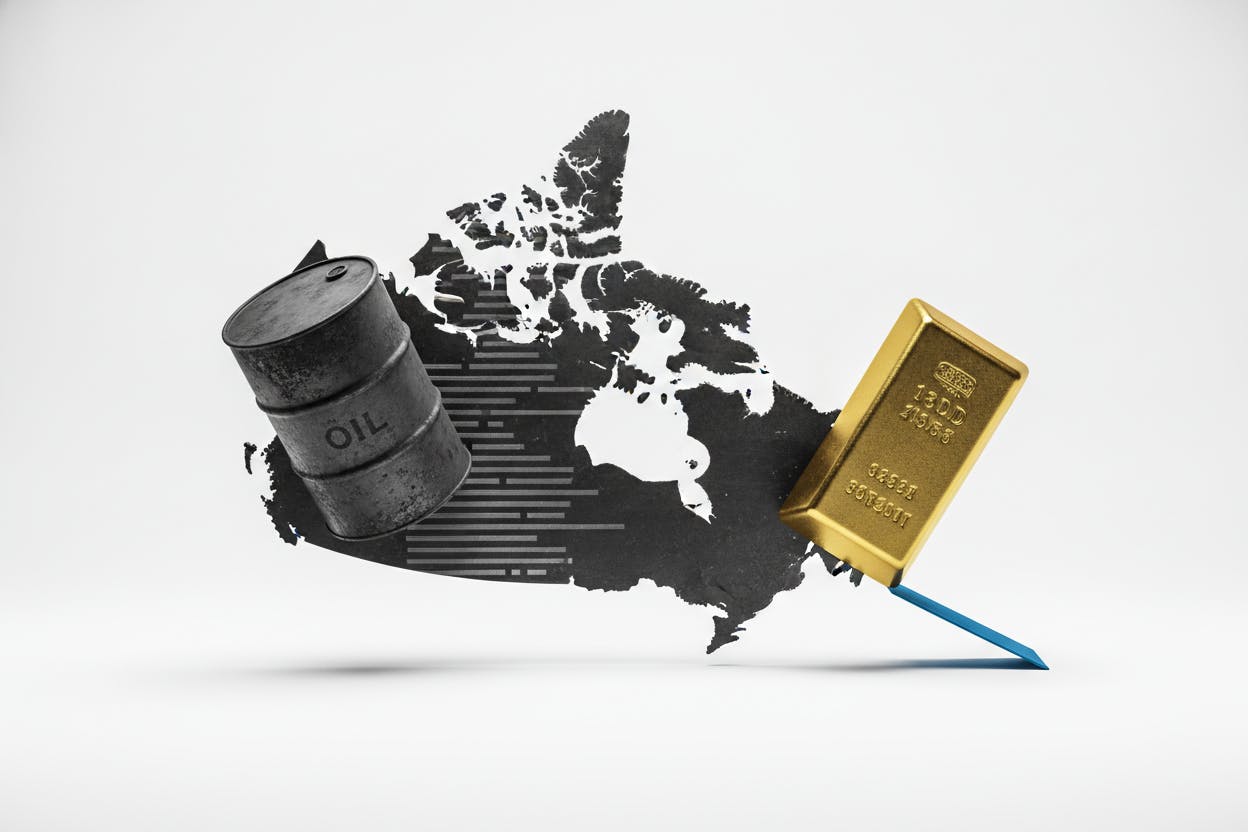
Canada's stock market is unusually sensitive to commodity prices because energy and mining companies make up a large portion of the S&P/TSX Composite index. The energy sector alone accounts for roughly 15% of the index, while materials (which includes gold miners) adds another 10% or so. That means even small moves in oil and gold can have an outsized impact on the overall market.
This dynamic is especially pronounced during earnings season, when investors are quick to adjust their expectations for future profits based on current commodity prices. A 0.3% rise in gold might not seem like much, but for a gold miner, it can translate into millions of dollars in additional revenue if sustained.
What it means for investors
For everyday investors with exposure to Canadian stocks, the message is that the TSX remains a commodity-driven market. When oil and gold are strong, the index tends to benefit, but it also means the market can be more volatile than broader global indices like the S&P 500.
Investors should also keep an eye on earnings reports from other major energy and mining companies in the coming weeks. If more firms follow Vermilion and Kinross with strong results, it could provide further support for the index. Conversely, any signs of weakening demand or a resolution to geopolitical tensions could weigh on commodity prices and, by extension, the TSX.
Beyond commodities, broader economic factors also matter. The Bank of Canada recently cut interest rates, and the US Federal Reserve has signaled it may follow suit later this year. Lower rates tend to be positive for stocks, especially for sectors like mining that require significant capital investment. However, the timing and pace of any rate cuts remain uncertain, adding another layer of complexity for investors.
Looking ahead
Thursday's modest gain is a reminder that the TSX's fortunes are closely tied to the interplay between corporate earnings, commodity markets, and global events. With earnings season in full swing and geopolitical risks still present, the index could see further moves in either direction.
For now, the combination of solid earnings from key players and steady commodity prices has given the market a gentle push higher. Whether that momentum continues will depend on the next batch of earnings reports and any shifts in the geopolitical landscape.