Canada's main stock index edged higher on Friday as a weaker-than-expected US jobs report sent gold prices surging and boosted the materials sector. The S&P/TSX Composite Index opened in positive territory as investors digested data showing the US economy added fewer jobs than anticipated in June, with downward revisions to prior months as well.
What the Jobs Report Showed
The US Bureau of Labor Statistics reported that nonfarm payrolls rose by a smaller-than-expected number in June, while the previous two months' figures were revised lower. The unemployment rate ticked up slightly, and wage growth moderated. The softness in the labor market prompted traders to dial back expectations for a near-term interest rate hike by the Federal Reserve.
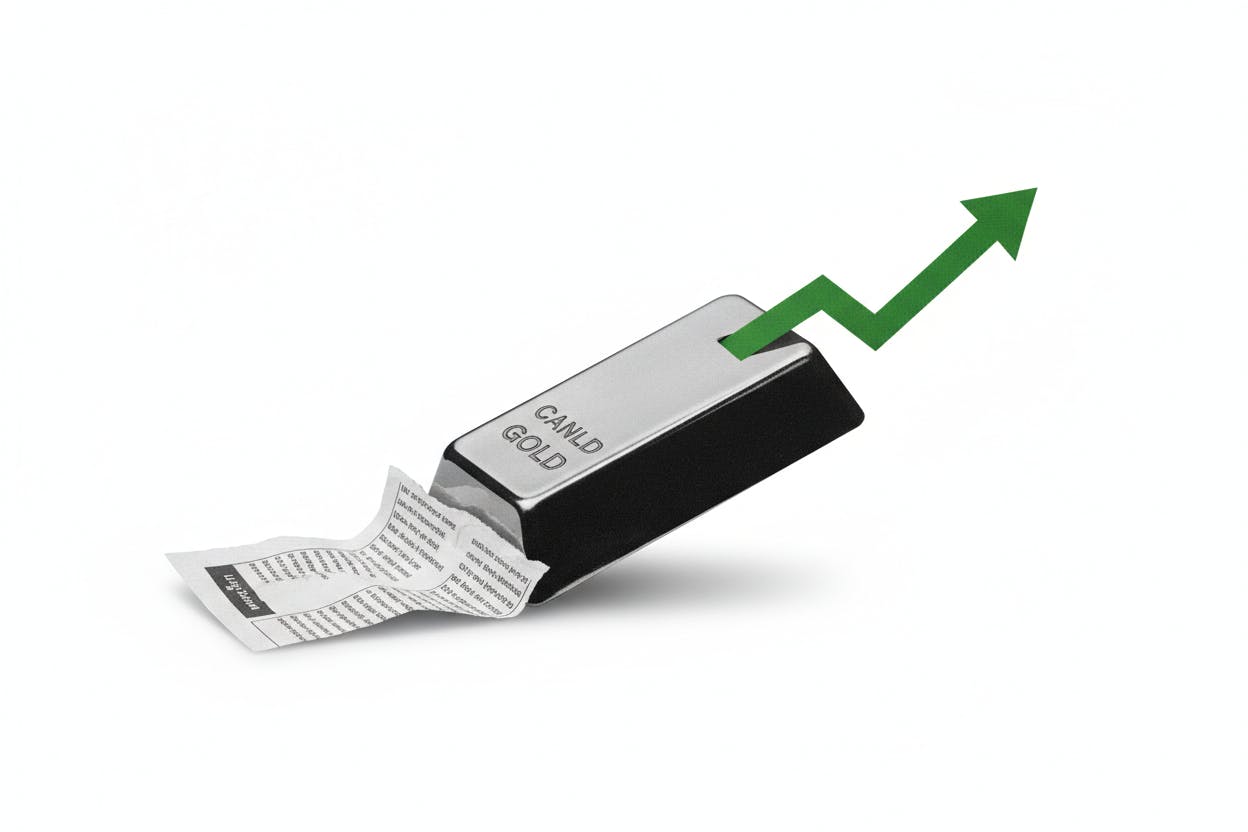
Lower rate hike odds tend to weigh on the US dollar, and that's exactly what happened. The dollar index slipped, making gold—which is priced in dollars—cheaper for international buyers. Spot gold jumped 2.3% on the day, while silver climbed 3.7%. That rally lifted gold mining stocks and the broader materials sector on the TSX, which has a heavy weighting in miners.
Why Gold Miners Led the Charge
Gold miners are particularly sensitive to changes in the price of the yellow metal. When gold rises, their revenues and profit margins expand, often leading to outsized share price gains. The materials sector, which includes gold miners, base metal producers and fertilizer companies, is a key component of the TSX. Friday's move higher in gold helped offset weakness in other sectors like energy and financials.
The rally in precious metals also comes against a backdrop of ongoing uncertainty about the global economic outlook. Investors have been watching for signs that the Fed might pause or reverse its rate hiking cycle, and a softer jobs report provides some ammunition for those expecting a more dovish stance.
What It Means for Investors
For everyday investors, the key takeaway is that the relationship between interest rates, the dollar and commodities like gold remains in focus. When the Fed signals it may not need to raise rates as aggressively, the dollar tends to weaken, which can boost gold and other dollar-denominated assets. That dynamic can benefit portfolios with exposure to gold miners or precious metals ETFs.
However, it's important to remember that one month's data doesn't make a trend. The labor market has been resilient for months, and the Fed has repeatedly emphasized that it will base its decisions on incoming data. Investors should watch for the next inflation report and Fed meeting for further clues on the rate path.
For those with Canadian holdings, the TSX's heavy weighting in materials and energy means it can be more volatile than US indexes. A rally in gold miners can provide a nice lift, but it can also reverse quickly if the economic picture changes. Diversification remains a prudent strategy.
Broader Market Context
The softer US jobs data also had ripple effects across global markets. The rand edged higher as the dollar slipped ahead of the report, and Asian chip stocks paused their rally as traders awaited the data for Fed clues. In Europe, the FTSE 100 was set for a higher open as oil eased and the Bank of England governor dampened rate cut hopes.
Meanwhile, China's yuan held steady as traders awaited the jobs data for direction on the Fed. The Indian rupee gained briefly as Brent crude dipped below $71, but traders saw downside risk. Palm oil prices held steady as soyoil support offset weaker crude and the ringgit.
The jobs report also comes amid a busy week for central bank commentary. The Bank of England governor recently dampened rate cut hopes, while the European Central Bank has signaled further tightening. The Fed's next decision will be closely watched, and the jobs data adds to the narrative that the US economy may be cooling enough to allow the central bank to pause.
Looking Ahead
Investors will now turn their attention to upcoming inflation data and corporate earnings season. The consumer price index (CPI) report for June is due later this month and will provide the next major test for markets. If inflation continues to moderate, it could reinforce the case for the Fed to hold rates steady, which would likely keep gold supported and the dollar under pressure.
For Canadian investors, the TSX's performance will also depend on commodity prices and the health of the domestic economy. The Bank of Canada has its own rate decisions to make, and a softer US labor market could influence its thinking as well.
In the meantime, the gold rally is a reminder that precious metals can act as a hedge against uncertainty and a weaker dollar. But as always, investors should consider their own risk tolerance and time horizon before making any portfolio changes.