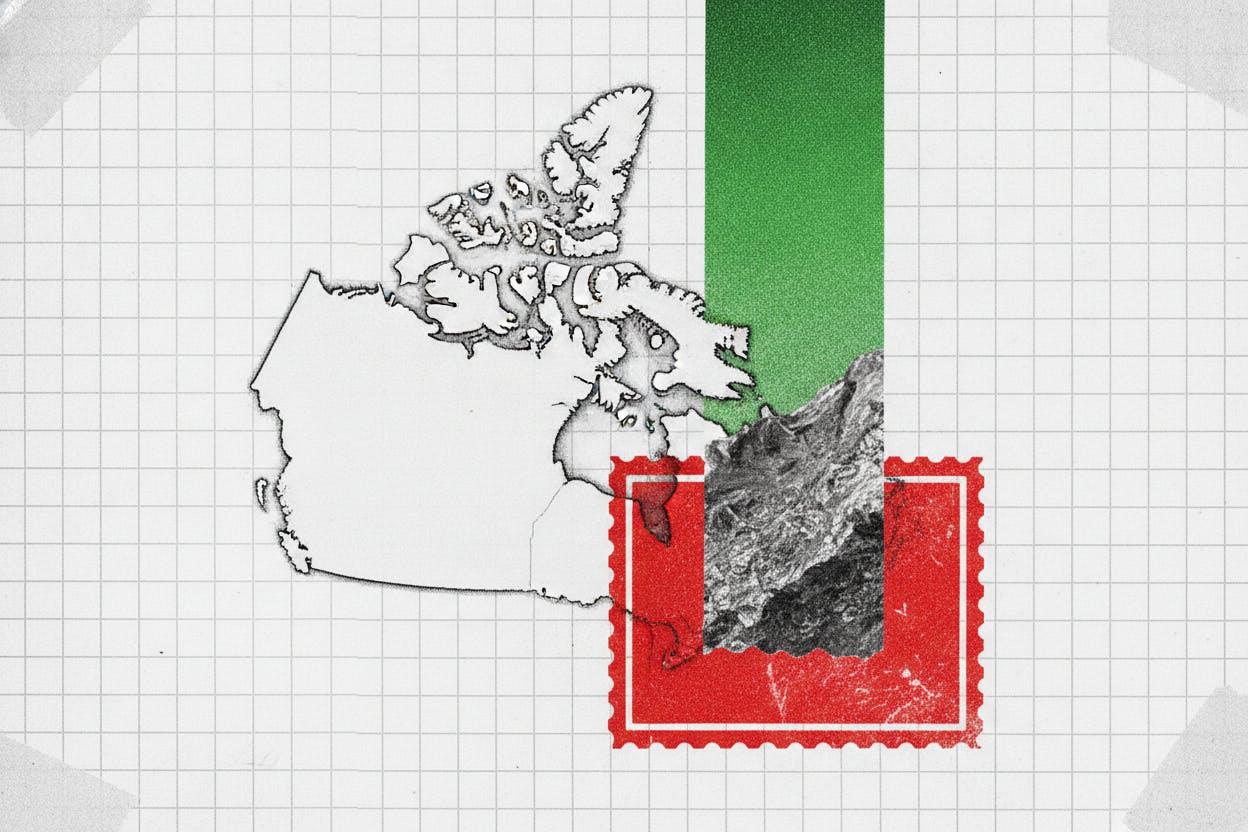
Canada's main stock index, the S&P/TSX Composite, climbed 1.17% on Tuesday to close at 35,369.08, even as the White House announced a new 50% tariff on a broad range of Canadian goods. The rally was led by resource stocks, with base metals shares surging 5.39% and gold prices rising to $4,090.40 an ounce. West Texas Intermediate (WTI) crude oil also settled 2% higher at $84.91 a barrel.
The gains in resource stocks reflect strong demand for commodities, which are a major driver of the Canadian economy. Miners and energy producers make up a significant portion of the TSX, so their performance often dictates the direction of the broader index. The rally in metals and energy came despite the tariff announcement, suggesting that investors are focusing on global supply and demand dynamics rather than trade policy for now.
What the New Tariffs Mean
The US administration said the 50% tariff would apply to a range of Canadian goods, including autos, dairy, and alcoholic beverages. This is a significant escalation in trade tensions between the two countries, following earlier threats of tariffs on Canadian steel and aluminum. The tariffs are set to take effect in 30 days, giving both sides time to negotiate.
For context, tariffs are taxes on imported goods, designed to protect domestic industries by making foreign products more expensive. However, they can also lead to higher prices for consumers and retaliatory measures from trading partners. In this case, Canada has already signaled it may impose its own tariffs on US goods, which could further disrupt cross-border trade.
Investors should note that trade disputes often create uncertainty for businesses, particularly those with significant exposure to international markets. Companies in sectors like autos, dairy, and alcohol could face higher costs or reduced sales if the tariffs remain in place. However, the impact on the broader market may be muted if other sectors, like resources, continue to perform well.
Why Resource Stocks Rallied
The rally in base metals and energy stocks was driven by several factors. Gold prices rose as investors sought safe-haven assets amid geopolitical uncertainty, while oil prices gained on expectations of strong demand and supply constraints. Base metals, such as copper and zinc, also benefited from optimism about global economic growth, particularly in China, which is a major consumer of these materials.
For everyday investors, the performance of resource stocks highlights the importance of diversification. While trade tensions can weigh on some sectors, others may benefit from different trends. For example, energy stocks have been supported by rising oil prices, which have been driven by factors like OPEC+ production cuts and geopolitical tensions in the Middle East. Similarly, gold miners have benefited from higher gold prices, which have been supported by central bank buying and inflation concerns.
What It Means for Investors
The TSX's resilience in the face of tariff news suggests that investors are not overly worried about the immediate impact of the trade dispute. However, the situation is fluid, and further developments could change the outlook. Investors should keep an eye on negotiations over the next 30 days, as any resolution or escalation could affect market sentiment.
For those with exposure to Canadian stocks, it's worth noting that the TSX is heavily weighted toward resources, which can be volatile. While the recent rally is positive, commodity prices can be influenced by global economic conditions, currency fluctuations, and geopolitical events. Diversifying across sectors and asset classes can help manage risk.
In related news, the US has threatened 50% tariffs on Canada in an escalating trade dispute over cheese and booze, which could have broader implications for the Canadian economy. Additionally, European stocks rebounded as chipmakers led gains and oil jumped on US-Iran strikes, showing how global events can influence markets.
Overall, the TSX's rise amid tariff news is a reminder that markets often look beyond headline risks. For investors, staying informed and maintaining a long-term perspective is key, rather than reacting to every twist and turn in trade policy.