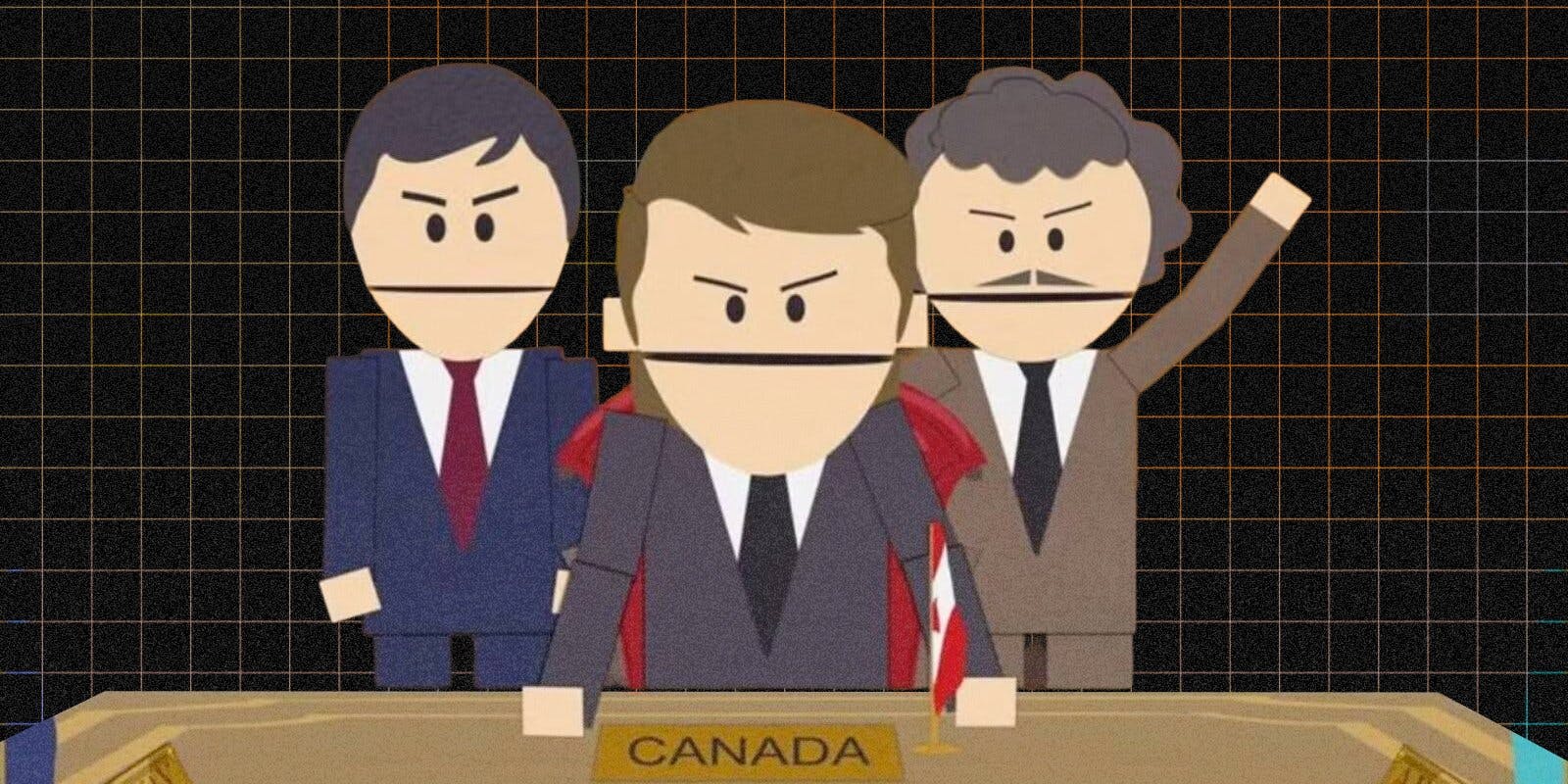
The United States has escalated its trade tensions with Canada, announcing plans to impose 50% tariffs on imports from its second-largest trading partner. The move, which the administration says is a response to what it calls "unfair business practices," targets a range of Canadian goods and could reshape the economic relationship between the two neighbors.
What's behind the tariff threat?
On Monday, US officials accused Canada of engaging in discriminatory trade practices, including halting purchases of American alcohol, imposing tariffs on US-made cars, and what they described as "discriminating" against American cheese. These grievances have prompted the administration to propose a 50% tariff on Canadian imports, set to take effect in 30 days.
The proposed tariffs would apply broadly but include exemptions for energy exports and critical minerals—key sectors for both economies. However, the measures would still affect approximately $20 billion worth of Canadian goods, according to administration estimates. This represents a significant portion of the bilateral trade relationship, which totaled over $700 billion in goods and services in 2022.
Broader trade tensions
This dispute is not happening in isolation. The US has been engaged in multiple trade spats with allies and rivals alike, from steel and aluminum tariffs to ongoing negotiations with the European Union. The Canada-specific action highlights the administration's willingness to use tariffs as a tool to enforce what it sees as fair trade, even with close partners.
For Canada, the timing is particularly sensitive. The country has been dealing with its own economic challenges, including inflation that has recently eased but remains above target. As Canada's loonie dipped on earlier inflation data, the new tariff threat adds another layer of uncertainty for the Canadian dollar and the broader economy.
What this means for investors
For everyday investors, the tariff announcement introduces new risks and opportunities. Here's what to watch:
- Impact on Canadian stocks: Companies that export heavily to the US, particularly in manufacturing, agriculture, and consumer goods, could face headwinds. Sectors like automotive parts, lumber, and dairy products are especially exposed.
- Energy exemption: The exclusion of energy exports from the tariffs is a notable relief for Canada's oil and gas sector, which sends the vast majority of its crude to US refineries. This could limit the downside for Canadian energy stocks.
- Currency effects: The Canadian dollar has already been under pressure from inflation and interest rate expectations. A trade war could further weaken the loonie, which might benefit US investors holding Canadian assets but hurt Canadian consumers buying US goods.
- Broader market volatility: Trade disputes often create uncertainty, which can lead to market swings. Investors may see increased volatility in sectors tied to cross-border trade, such as industrials and materials.
History shows that trade tensions can escalate quickly, but they can also be resolved through negotiation. The 30-day window before the tariffs take effect leaves room for diplomacy, and markets will be watching closely for any signs of de-escalation.
What to watch next
Investors should monitor several key developments in the coming weeks:
- Canadian response: Ottawa has already signaled it may retaliate with its own tariffs, which could target US goods like agricultural products or manufactured items. Such a move would deepen the dispute and potentially hit US companies with Canadian exposure.
- Negotiation signals: Any statements from US or Canadian officials about potential talks or compromises could move markets. The cheese and alcohol issues are specific enough that a targeted agreement might be possible.
- Economic data: Upcoming releases, such as Canada's inflation figures, will provide context on how the economy is handling external pressures. Slower inflation might give the Bank of Canada more room to adjust policy if needed.
For now, the tariff threat serves as a reminder that trade policy remains a wildcard for investors. Diversification across geographies and sectors can help manage such risks, but no portfolio is immune to the ripple effects of a trade war between two major economies.
As the situation develops, Daily Digest Invest will keep you updated on what it means for your money.