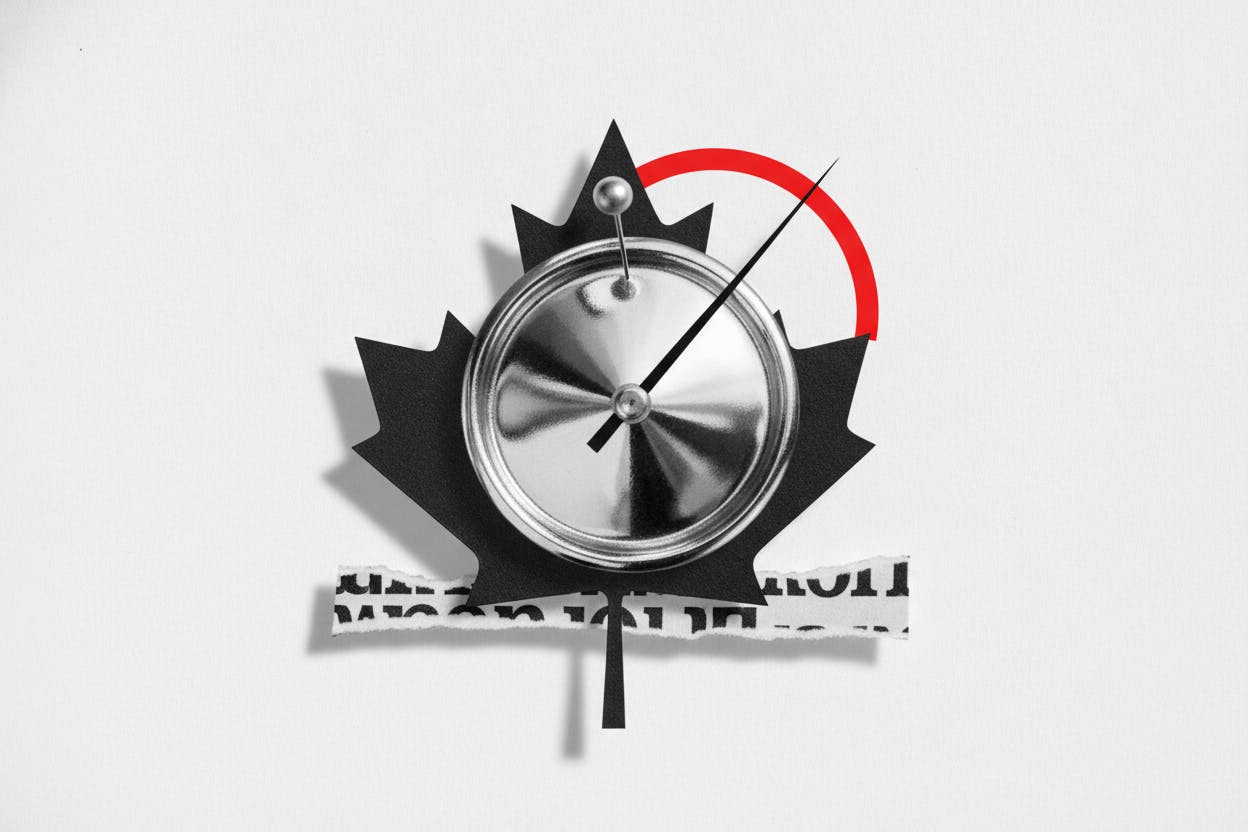
Canada's inflation rate took a welcome step down in June, falling to 2.8% year-on-year from 3.2% in May, according to Statistics Canada. The main driver: a more than 10% monthly drop in gasoline prices. But with the Middle East conflict pushing global oil prices back up, the relief may be temporary.
What the Numbers Show
The Consumer Price Index (CPI) fell 0.4% month-on-month in June, the first decline since January. Gasoline was the biggest factor, with pump prices plunging over 10% from May. That pulled the headline number lower, even as other categories like shelter and food remained sticky.
The Bank of Canada (BoC) pays close attention to 'core' inflation measures that strip out volatile items like energy. Those also eased: CPI-median came in at 1.9% and CPI-trim at 1.8%, both within the central bank's 1% to 3% target range. That suggests underlying price pressures are moderating, even if the headline number gets a boost from gas swings.
Why Gas Prices Matter
Gasoline is a double-edged sword for inflation watchers. When prices fall sharply, as they did in June, they can mask persistent inflation in other areas. But when they rise, they can quickly push the headline number higher. The Middle East conflict has already started to push oil prices up, with Brent crude climbing above $80 per barrel in recent weeks. That could show up in July's inflation data.
For context, Canada's inflation has been on a downward trend since peaking at 8.1% in June 2022. The BoC has held its key interest rate at 4.75% since January, after a series of hikes aimed at cooling the economy. The June CPI reading gives the central bank room to keep rates steady, but it doesn't signal an imminent cut.
What It Means for Investors
For everyday investors, the cooling inflation is a positive sign. It reduces the pressure on the BoC to raise rates further, which could support bond prices and keep borrowing costs from climbing. Lower gas prices also put more money back in consumers' pockets, which can boost spending on other goods and services.
But the Middle East factor is a wild card. If oil prices continue to rise, it could push inflation back up, complicating the BoC's path. That would likely weigh on stocks, especially in rate-sensitive sectors like real estate and utilities. The Canadian dollar has already strengthened on the back of higher oil prices, which could impact exporters.
Investors should watch the next CPI release in July for signs of a rebound. The core inflation measures will be key: if they stay below 2%, the BoC may feel more comfortable holding rates. But if they tick up, the central bank could face pressure to act.
Broader Market Context
The inflation data comes amid a mixed backdrop for global markets. The TSX has been volatile, with energy stocks benefiting from higher oil prices but tech stocks sliding on geopolitical jitters. The TSX futures edged higher ahead of the CPI release, as investors hoped for a soft reading.
In the US, inflation has also been cooling, with the June CPI coming in at 3.0% year-on-year. That has fueled expectations that the Federal Reserve may cut rates later this year. However, the Fed's hawkish signals suggest it's not ready to ease yet.
For Canadian investors, the key takeaway is that inflation is moving in the right direction, but the journey is far from over. Energy prices, supply chain disruptions, and geopolitical events can quickly change the picture. Staying diversified and keeping an eye on core inflation trends is a prudent approach.
Looking Ahead
The BoC's next rate decision is scheduled for September 6. The June CPI data gives it room to hold steady, but the July and August readings will be critical. If inflation stays below 3% and core measures remain subdued, the central bank may start signaling a potential rate cut later this year. But if oil prices push the headline number back up, the wait could be longer.
For now, investors can take some comfort in the fact that inflation is easing, but they should remain cautious about the risks ahead. The oil rally and its impact on the Canadian dollar and inflation will be a key theme in the coming months.