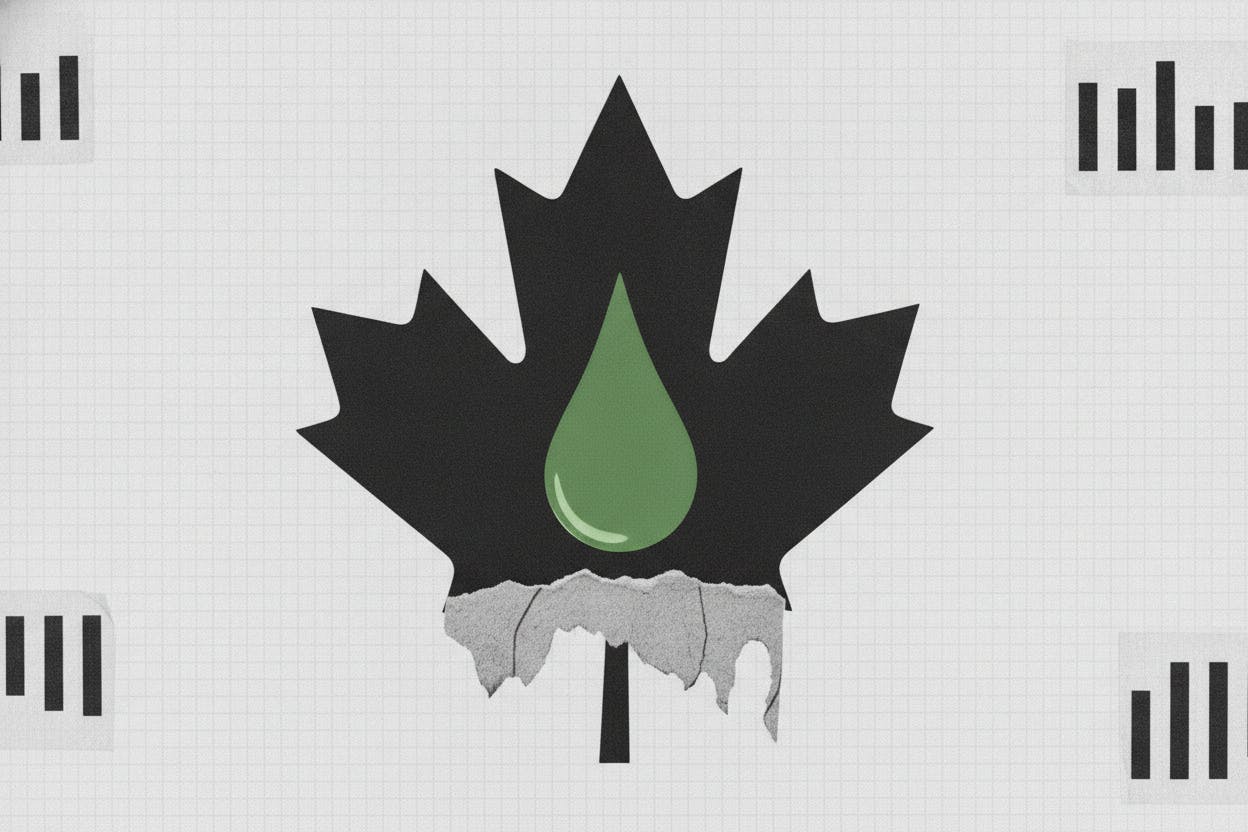
Canadian inflation took a welcome step back in June, with consumer prices rising 2.8% from a year earlier, according to Statistics Canada. That was a touch below the 2.9% forecast from MUFG, a Japanese bank, and a clear deceleration from May's 3.2% pace. On a month-over-month basis, the Consumer Price Index (CPI) actually fell 0.4%, driven largely by a drop in gasoline prices.
The headline number is the one that grabs headlines, but for investors and the Bank of Canada, the story is more nuanced. Gasoline prices fell 10.2% from May to June, reflecting a broader decline in global oil prices. That single factor was enough to pull the overall index down. But when you strip out energy and food, so-called core inflation held steady at 2.2% year over year, unchanged from the previous month.
Why Core Inflation Matters More
The Bank of Canada (BoC) sets interest rates based on its assessment of underlying inflation trends, not temporary swings in volatile categories like gasoline. Central bankers worry that if price pressures are embedded in the economy—through wages, services, or housing—they can persist even after one-off shocks like oil price moves fade. The fact that core inflation didn't budge in June suggests that the BoC's work may not be done yet.
Inflation has been on a bumpy ride over the past year. After peaking at 8.1% in mid-2022, it has gradually come down, but progress has been uneven. The BoC raised its key interest rate to 4.75% in June after a brief pause, signaling that it remains vigilant. The June CPI report gives the central bank some breathing room, but not enough to declare victory.
What This Means for Investors
For everyday investors, the inflation data has direct implications for their portfolios. Lower inflation generally supports bond prices, as it reduces the likelihood of further rate hikes. Canadian government bond yields edged lower following the release, reflecting that expectation. The Canadian dollar also weakened slightly, as a softer inflation print reduces the case for aggressive rate increases.
But the stickiness of core inflation means that the BoC is unlikely to cut rates anytime soon. That matters for stocks, especially interest-rate-sensitive sectors like real estate and utilities. Higher rates for longer can compress valuations and increase borrowing costs for companies. On the other hand, sectors like energy and materials may benefit if oil prices rebound, as they have in recent weeks.
Investors should also watch the upcoming Q2 earnings season, which kicks off with major Canadian companies like Rogers, Teck Resources, and CN Rail. Earnings reports will provide a real-time check on how companies are navigating the inflation and interest rate environment. If margins hold up, it could signal that the economy is resilient enough to absorb higher rates.
Global Context and the Oil Factor
The drop in gasoline prices was not a Canada-specific story. Global oil prices fell sharply in June amid concerns about slowing demand from China and the possibility of a global recession. The Organization of the Petroleum Exporting Countries (OPEC) and its allies have cut production to support prices, but the market remains volatile. For Canadian consumers, lower pump prices are a direct relief, but for the energy-heavy TSX, it's a mixed bag.
Canada's inflation picture also fits into a broader global trend. The Eurozone saw its inflation dip to 2.8% in June, while the U.S. reported a similar cooling. Central banks around the world are grappling with the same dilemma: headline inflation is falling, but core inflation remains stubborn. The U.S. Treasury yields slid after softer inflation data there, dimming expectations for further Federal Reserve rate hikes. That dynamic has helped push the Canadian dollar to a one-month high against the greenback, as oil rally and cooler US inflation push Canadian dollar to one-month high.
The Bottom Line
June's inflation report is a step in the right direction for the Bank of Canada, but it's not a game-changer. The headline number is cooling, but the underlying trend is still above the central bank's 2% target. Investors should expect the BoC to hold rates steady at its next meeting in July, but the door remains open for another hike if inflation proves sticky. For now, the data gives markets a reason to breathe, but not to celebrate.