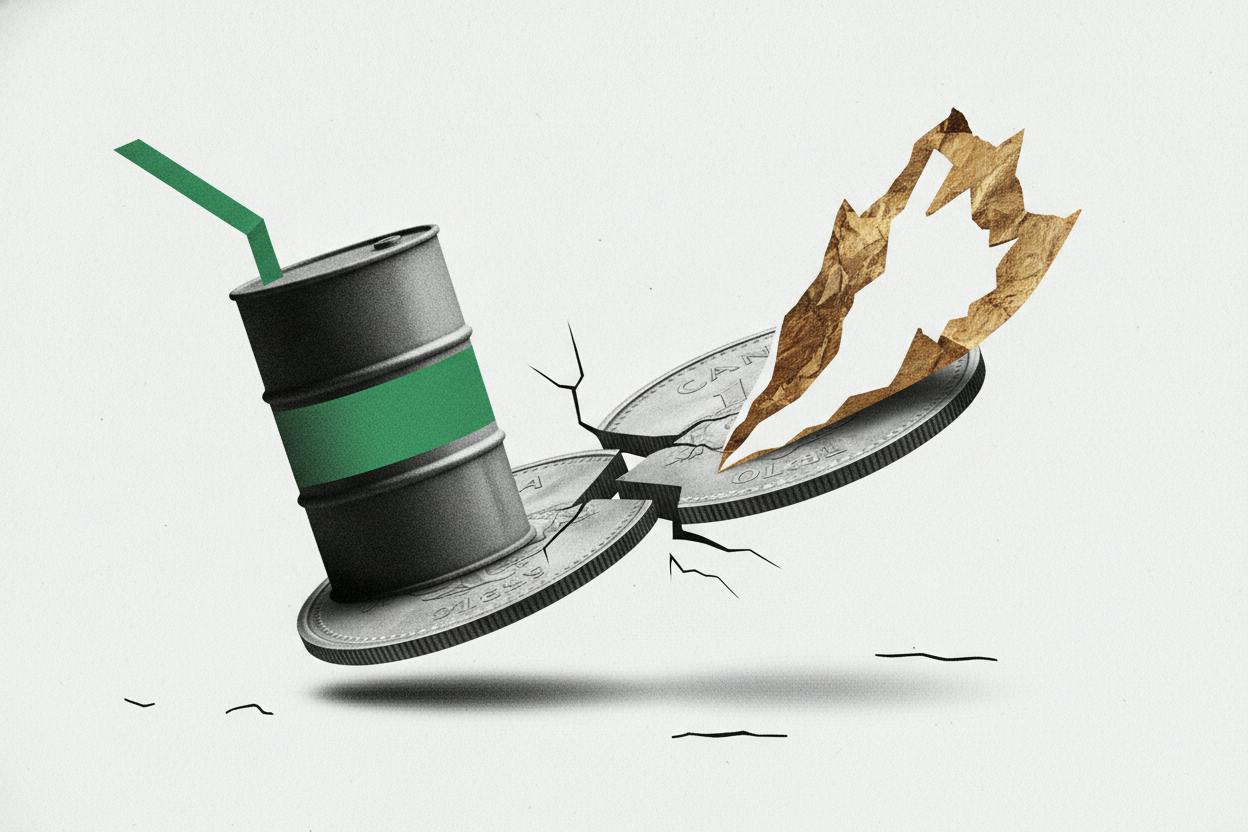
Canada's S&P/TSX Composite slipped 0.4% on Tuesday, a modest decline that masked a sharp split beneath the surface. Energy shares held up as oil prices jumped, but falling metals and tech stocks pulled the index lower. The moves came after new incidents near the Strait of Hormuz revived concerns about shipping disruptions in one of the world's most critical oil chokepoints.
West Texas Intermediate crude for January delivery settled up 2.4% at $82.05 a barrel, with Brent also rising. Traders weighed whether Middle East tensions could crimp exports from the region. But the rally had limits: expectations of ample supply, signs of steady flows from the region, and Libya's Sharara field coming back online kept oil from running away.
Metals and tech drag, energy lifts
The TSX's decline was led by base metals stocks, which dropped sharply, and gold, which slid as a firmer US dollar and expectations for higher US interest rates pressured dollar-priced metals. When the US dollar strengthens, commodities priced in dollars become more expensive for buyers using other currencies, which can dampen demand and push prices down.
Tech stocks also fell, adding to the pressure. The combination meant that even a strong day for energy couldn't keep the index in positive territory.
For Canadian investors, the divergence between energy and metals is a reminder of how commodity-driven the TSX can be. The index has a heavy weighting in energy and materials, so swings in oil and metal prices often move the whole market.
The loonie's role
Adding to the mix is the Canadian dollar, which recently touched a nearly two-year low of CA$1.437 per US dollar. On Tuesday it was around CA$1.4270. BMO Capital Markets linked the weakness to a growing gap between US and Canadian interest rates and ongoing US trade uncertainty.
A weaker loonie can widen the gap between winners and losers inside the TSX. Since oil and many metals are priced in US dollars, exporters' USD sales translate into more Canadian dollars when the loonie falls. That can flatter revenue and earnings for energy producers and miners even on a down index day.
The downside lands on more domestic sectors that rely on imported equipment, components, or services priced in US dollars. Their costs rise in Canadian-dollar terms, and hedging that currency exposure can get pricier. For US-based investors, any gain in Canadian assets can look smaller once returns are converted back into US dollars.
This dynamic is part of why the loonie's recent moves have drawn attention from traders watching for Bank of Canada signals. The central bank has been navigating a tricky path between supporting growth and managing inflation, and its rate decisions have a direct impact on the currency.
What it means for investors
For everyday investors, Tuesday's session is a case study in how currency and commodity moves interact. A falling loonie can boost the Canadian-dollar value of US-dollar revenues for exporters, but it also raises the cost of imported goods and can squeeze margins for companies that buy equipment or components from abroad.
For those holding Canadian assets, the weaker currency is a double-edged sword. It can make Canadian stocks look cheaper to foreign buyers, but it also reduces the value of returns when converted back into US dollars.
The energy sector's resilience, despite the broader decline, highlights how geopolitical events can quickly change the outlook for oil prices. The Strait of Hormuz is a vital route for global oil shipments, and any disruption there tends to push prices higher. But as Tuesday showed, those gains can be limited by other factors like supply expectations.
Investors will likely keep an eye on the Bank of Canada's stance on supply shocks, as well as any further developments in the Middle East. The central bank's next moves on interest rates will also be crucial for the loonie and for rate-sensitive sectors like housing and consumer spending.
For now, the TSX's dip is a reminder that not all commodity moves are created equal. While oil's climb helped energy stocks, it wasn't enough to offset the drag from metals and tech. And with the loonie near multi-year lows, the currency's influence on the index is only growing.
As always, diversification remains a key tool for managing the ups and downs of a commodity-heavy market. Investors with exposure to Canadian equities should be aware of how currency and commodity swings can affect their portfolios, and consider how those factors fit into their broader financial plan.