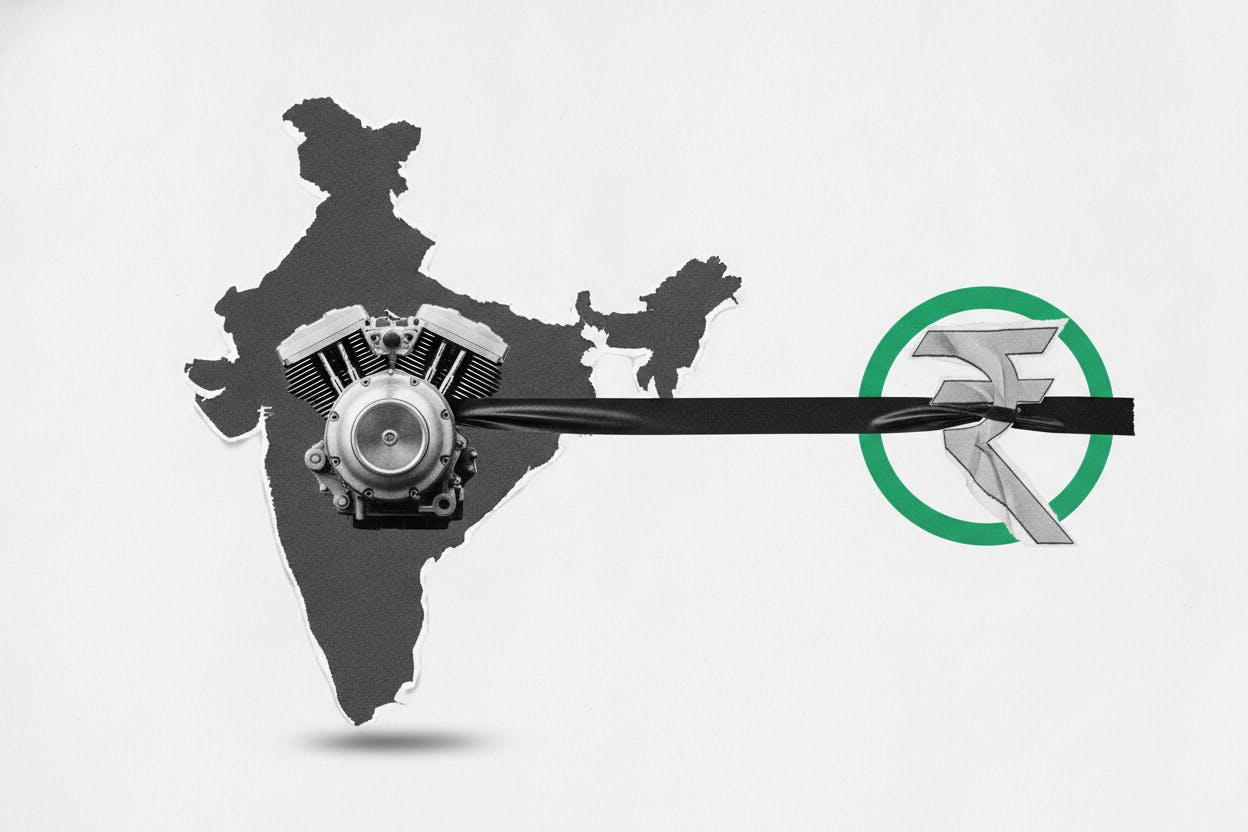
TVS Motor, one of India's largest two-wheeler makers, has announced that Peyman Kargar will become its next chief executive officer, taking over on January 27, 2027. The appointment underscores the company's strategic bet on premium motorcycles, electric vehicles (EVs), and a rapidly growing overseas business that now contributes 29% of its sales volume.
Kargar, who has led TVS's international operations from Dubai since March 2025, will succeed K N Radhakrishnan, the long-time CEO who has been at the helm since 2008. Radhakrishnan will remain in charge until the handover, ensuring a smooth transition.
Why the choice of CEO matters
The selection of Kargar is a clear signal about where TVS sees its future growth. By promoting the head of its international unit, the company is prioritizing expansion beyond India's borders. The overseas arm has become a significant contributor, with 29% of sales volume now coming from international markets. This is a notable shift for a company traditionally focused on its domestic market.
Kargar's background in international business suggests TVS intends to double down on markets in Asia, Africa, and Latin America, where demand for affordable and mid-range motorcycles is strong. The company has been building its presence in these regions, and the new CEO's experience is likely to accelerate that push.
At the same time, TVS is investing heavily in premium motorcycles and electric vehicles. The premium segment, which includes higher-displacement bikes and scooters, offers better margins than entry-level models. The EV push is part of a broader industry trend, as Indian consumers increasingly adopt electric two-wheelers, supported by government incentives and falling battery costs.
What it means for investors
For everyday investors, a CEO transition is always a moment to watch. Leadership changes can signal a shift in strategy, and TVS's choice of an insider with international experience suggests continuity with a global focus. That could be positive for shareholders if the overseas expansion continues to deliver growth.
The fact that Kargar is an insider reduces the risk of a disruptive change in direction. He knows the company, its products, and its markets. The long runway—nearly two years before he takes over—also gives the board time to ensure a seamless transition and gives investors clarity about the future leadership.
Investors should also note the broader context. TVS is competing in a crowded Indian two-wheeler market, with rivals like Hero MotoCorp and Bajaj Auto. The shift toward premium and electric models is a response to changing consumer preferences and regulatory pressure to reduce emissions. Companies that successfully navigate this transition could gain a competitive edge.
The international business, now a major pillar, provides diversification. If the Indian market slows, overseas sales can help cushion the impact. However, international operations also come with risks, including currency fluctuations, geopolitical tensions, and supply chain disruptions.
For now, the market's reaction will likely be muted, as the change is well-flagged and not imminent. But the appointment sets the stage for TVS's next chapter, and investors will be watching how Kargar executes on the company's stated priorities.
Looking ahead
Between now and January 2027, Radhakrishnan will continue to lead the company, and investors can expect to see the results of the current strategy. The company's focus on premium bikes, EVs, and international markets is likely to remain the core of its growth story.
For those following the broader auto sector, TVS's move is part of a wider trend of Indian manufacturers expanding globally. Tata Motors, for instance, has been adjusting prices to manage costs, while other companies are also looking overseas for growth.
In the EV space, TVS faces competition from dedicated electric vehicle startups as well as established players. The company's ability to scale its EV business profitably will be a key test for the new CEO.
For investors, the key takeaway is that TVS is positioning itself for long-term growth, with a leadership team that is aligned with that vision. As always, it's important to consider your own financial goals and risk tolerance before making any investment decisions.