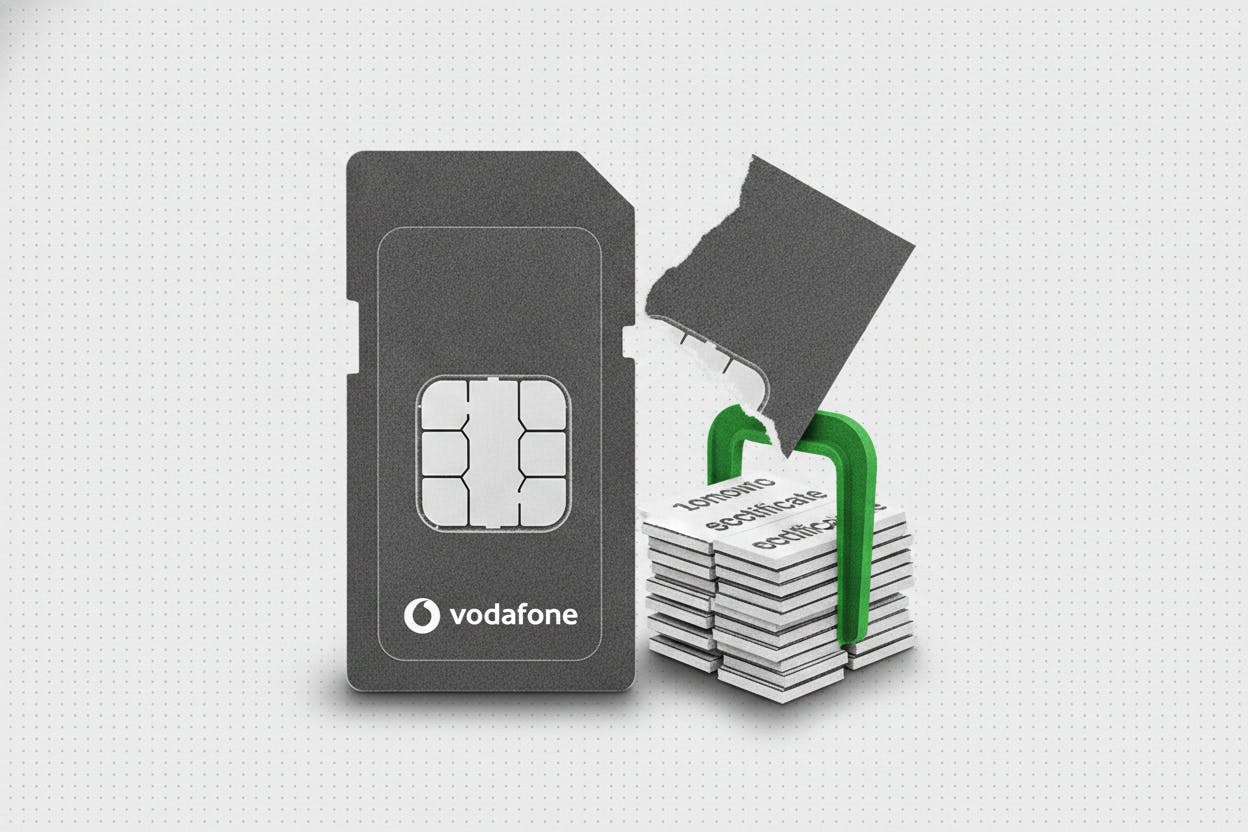
UK stocks are set for a modestly higher open on Friday, with futures pointing 0.1% up. But the main story of the morning is a massive block trade: UAE telecom group E& (formerly Etisalat) has announced it will sell its entire stake in Vodafone Group for $5.95 billion.
E& had built up a 14.6% holding in Vodafone over recent years, making it the British telecom giant's largest single shareholder. The exit marks a strategic shift for the Abu Dhabi-based company, which had originally framed the investment as a way to gain exposure to European telecoms and explore potential partnerships.
What is a block trade and why does it matter?
When a shareholder sells a stake worth billions, they don't just place a market order. Instead, they typically arrange a block trade — a sale of a large number of shares to institutional investors, often at a small discount to the current market price. Banks like Goldman Sachs or Morgan Stanley line up buyers in a matter of hours.
For Vodafone, this means a sudden flood of supply hitting the market. That can push the share price down in the short term, as some investors wait on the sidelines until the deal is completed and the discount is known. However, once the block is placed, the stock often recovers because the "known seller" — the overhang of a large shareholder looking to exit — is gone.
This dynamic is similar to other recent large stake sales, such as SBI's sale of a 1.42% stake in SBI Funds Management ahead of its IPO, where the discount helped attract buyers.
Why is E& selling now?
E& has not given a detailed public reason, but the move comes after a period of underperformance for Vodafone shares. The British company has been struggling with intense competition in key European markets, high debt levels, and a strategic overhaul under CEO Margherita Della Valle. Vodafone has been cutting costs, selling non-core assets, and merging operations in markets like the UK and Italy.
For E&, the sale frees up capital that can be redeployed elsewhere — possibly back into its core Middle Eastern and African markets, or into new growth areas like digital services and fintech. The $5.95 billion price tag represents a significant return on its initial investment, though the exact profit depends on the average purchase price over time.
What it means for Vodafone investors
For everyday investors holding Vodafone shares, the immediate impact is likely to be a short-term dip as the block trade is executed. But the removal of a large, potentially restless shareholder could be positive over the medium term. E& had been a passive investor, but its presence created uncertainty about its intentions — would it seek board seats, push for a breakup, or sell out? Now that question is answered.
Vodafone's fundamentals remain challenging. The company is in the middle of a turnaround, and its dividend — once a key attraction for income investors — has been cut. Still, the stock trades at a low valuation relative to its peers, and some analysts see value if the restructuring succeeds.
Investors should watch for the final price of the block trade and any subsequent commentary from Vodafone's management. The broader FTSE 100's slight uptick suggests the market is taking the news in stride, focusing more on the removal of an overhang than on the immediate selling pressure.
Broader market context
The FTSE 100's small gain reflects a generally calm mood in global markets. Investors are digesting recent economic data and central bank signals. In the UK, inflation has eased but remains above the Bank of England's target, keeping interest rate cuts uncertain. Corporate dealmaking, however, continues — as seen in other recent moves like UniCredit's bid for Commerzbank and Pepco Group's raised guidance.
For income-focused investors, the E& sale is a reminder that large shareholders can change their minds quickly. Diversification across sectors and geographies remains key. Vodafone's story is still unfolding, and the exit of a major backer is just one chapter.