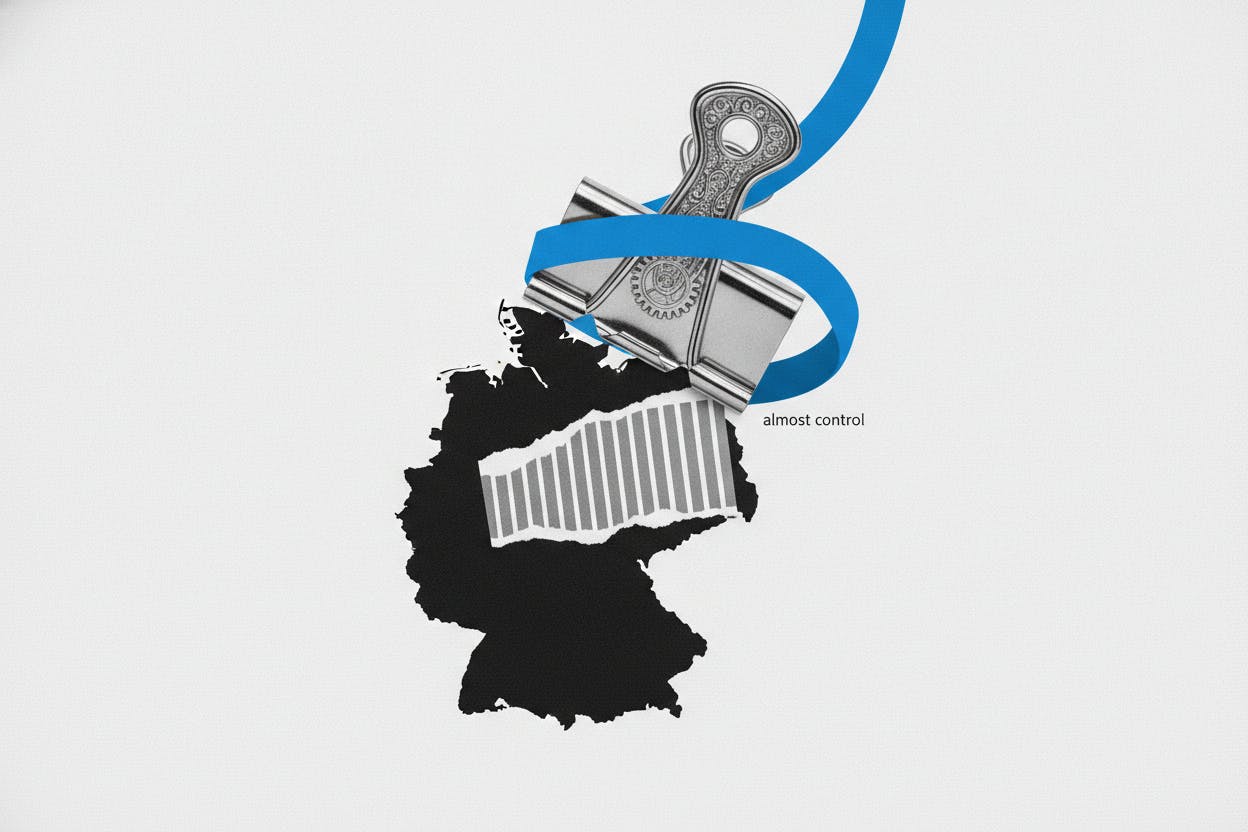
UniCredit has taken a major step toward controlling Commerzbank, announcing it now holds 47.6% of the German lender's shares. The Italian banking giant is pursuing a €45 billion ($51 billion) hostile takeover, and this latest stake brings it within striking distance of outright control.
The move signals that UniCredit is not backing down from its ambitious cross-border play, even after its initial tender offer fell short of expectations. With nearly half the shares in hand, the conversation is no longer about whether UniCredit can influence Commerzbank, but whether it can effectively steer the bank's future.
What Control Means for Commerzbank
Control matters in banking because it gives a buyer the ability to shape strategy, appoint leadership, and set priorities. For UniCredit, a near-majority stake means it can push for changes at Commerzbank without needing full ownership. That could include cost-cutting measures, restructuring, or integrating operations across borders.
Commerzbank is one of Germany's largest lenders, with a significant role in corporate and retail banking. A takeover by UniCredit would create one of Europe's biggest banking groups, combining Italian and German operations. But the deal also raises questions about national pride and regulatory scrutiny, as Germany has historically been protective of its banking champions.
The German government, which still holds a stake in Commerzbank from the 2008 financial crisis, has expressed concerns about foreign control. UniCredit's growing position puts pressure on Berlin to decide whether to block or allow the deal.
What It Means for Investors
For everyday investors, this is a story about how cross-border banking deals can reshape competition and returns. If UniCredit succeeds, it could unlock cost savings and revenue synergies that boost profitability. But the path is not straightforward.
UniCredit now faces two key hurdles: funding and regulation. The Italian lender will need to show it has the capital flexibility to finance the remaining stake, especially given the size of the bid relative to its own balance sheet. Investors will watch for any signs of strain, such as higher debt levels or diluted earnings.
Regulatory approval is another wild card. European banking rules allow cross-border takeovers, but national regulators can impose conditions. The European Central Bank, which oversees major eurozone lenders, will also have a say. Any delays or restrictions could weigh on UniCredit's stock price.
For Commerzbank shareholders, the near-control stake means they may see a premium if UniCredit eventually launches a full buyout. But it also creates uncertainty, as the bank's future strategy could shift under new ownership.
Broader Market Context
The UniCredit-Commerzbank saga is unfolding against a backdrop of rising interest rates and consolidation in European banking. Higher rates have boosted bank profits, making lenders more attractive targets. At the same time, regulators are pushing for stronger capital buffers, which can make it harder for smaller banks to compete.
Cross-border deals remain rare in European banking, partly due to regulatory complexity and national interests. If UniCredit succeeds, it could set a precedent for more consolidation across the continent. That would be a significant shift for an industry that has long been fragmented along national lines.
Investors should also note that the deal comes as US consumer confidence edges up, but caution persists globally. Economic uncertainty could affect UniCredit's ability to finance the deal or integrate Commerzbank smoothly.
What to Watch Next
The next key milestone will be UniCredit's formal plan to secure the remaining shares. The Italian lender may launch a new tender offer or negotiate directly with major shareholders, including the German government. Any announcement about funding, such as a capital raise or asset sales, will be closely watched.
Regulatory decisions from the European Central Bank and German authorities will also shape the timeline. Investors should monitor news from Frankfurt and Brussels for signs of approval or resistance.
For now, UniCredit has put itself in a strong position. But turning a near-control stake into full control is a complex process that could take months. The outcome will determine whether this becomes one of Europe's landmark banking deals or a cautionary tale about cross-border ambition.