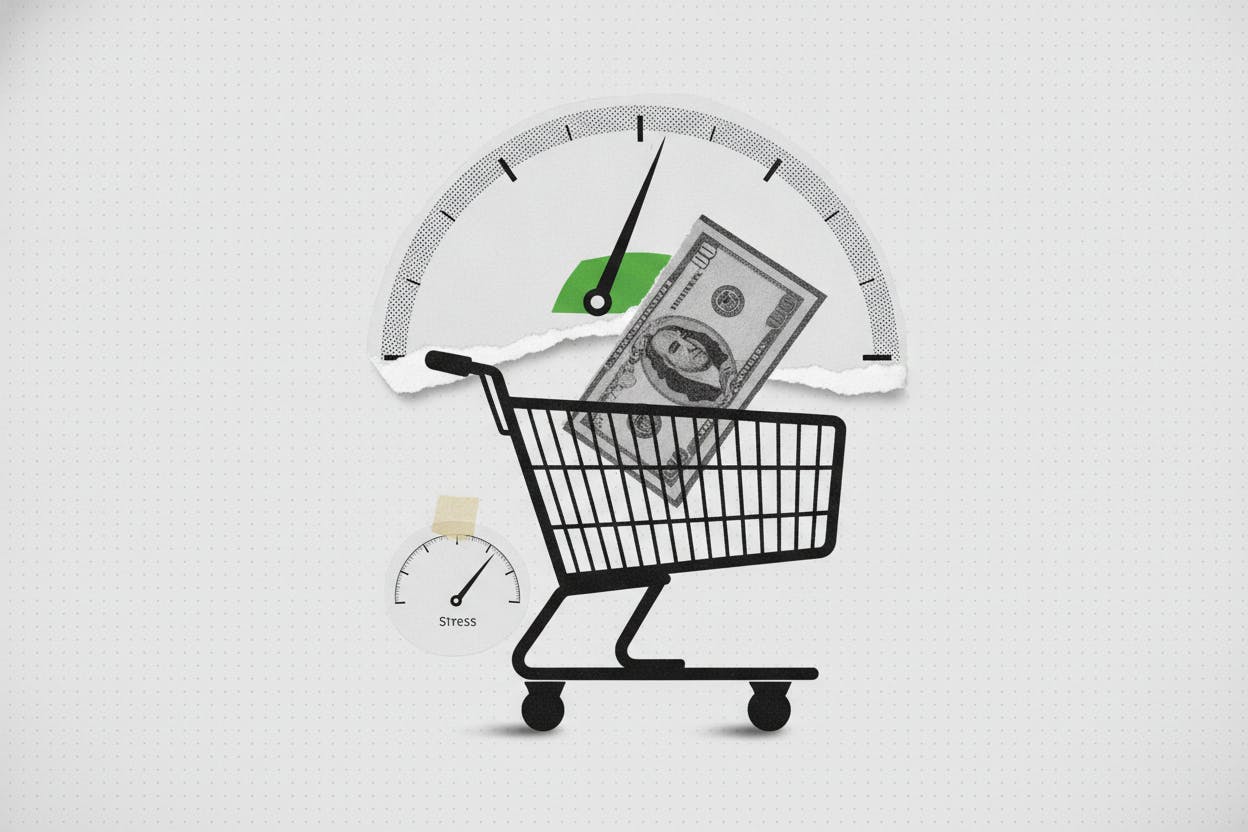
American consumers entered July with a slightly brighter mood, according to the latest RealClearMarkets/TIPP Economic Optimism Index. The gauge rose to 45.5 from 42.5 in June, marking a modest improvement but still leaving sentiment firmly in pessimistic territory.
The index, which surveys households on their views of the economy and personal finances, uses 50 as the break-even point between optimism and pessimism. July's reading means more respondents remain downbeat than upbeat, but the direction of travel is encouraging after several months of gloom.
What's Behind the Uptick?
The headline gain was driven by improvements in two of the index's three components. The six-month economic outlook jumped to 42.1 from 37.1, suggesting consumers see brighter prospects ahead. Meanwhile, the personal finances component crossed into positive territory, rising to 52.2 from 50.1, meaning a slim majority of respondents now feel their own financial situation is stable or improving.
The financial stress gauge, which measures how much strain households feel from debt and living costs, eased to 62.8 from a higher reading in June. While still elevated, the decline indicates some relief from the pressures that have weighed on consumer sentiment for much of the year.
These moves align with broader trends seen in other confidence measures. For context, similar surveys in other economies have shown mixed results. For instance, Australian consumer confidence dipped again recently as economic pessimism deepened, while Westpac's card tracker slipped, signaling that consumer spending is losing steam Down Under.
Why Consumer Confidence Matters for Markets
Consumer confidence is a closely watched indicator because it tends to correlate with spending, which drives roughly two-thirds of US economic activity. When households feel secure in their jobs and finances, they are more likely to make big purchases like homes, cars, and appliances, and to spend on discretionary items like travel and dining out.
The current reading, while improved, suggests consumers are still cautious. That caution could translate into slower spending growth in the months ahead, which would be a headwind for corporate earnings and, by extension, stock prices. However, the improvement in the outlook component hints that consumers expect conditions to get better, which could support spending if realized.
For everyday investors, the key takeaway is that the consumer—the backbone of the US economy—is not yet fully confident, but the worst of the pessimism may be behind us. This is consistent with a 'soft landing' scenario where the economy slows but avoids a sharp recession.
What to Watch Next
Investors will be watching upcoming data releases, including retail sales and inflation reports, to see if the improvement in confidence translates into actual spending. The Federal Reserve's interest rate decisions also play a role: lower rates could boost confidence further by reducing borrowing costs, while persistent inflation could keep sentiment subdued.
Globally, consumer trends vary. In Japan, for example, MUFG's CEO warned that a weak yen could backfire by squeezing consumers, while in India, foreign inflows are keeping bond yields in check ahead of a key index decision, which could affect consumer borrowing costs there.
For now, the US consumer is sending a mixed signal: still cautious, but slightly less so. That's a modest positive for the economic outlook, but not yet a green light for aggressive risk-taking in portfolios.