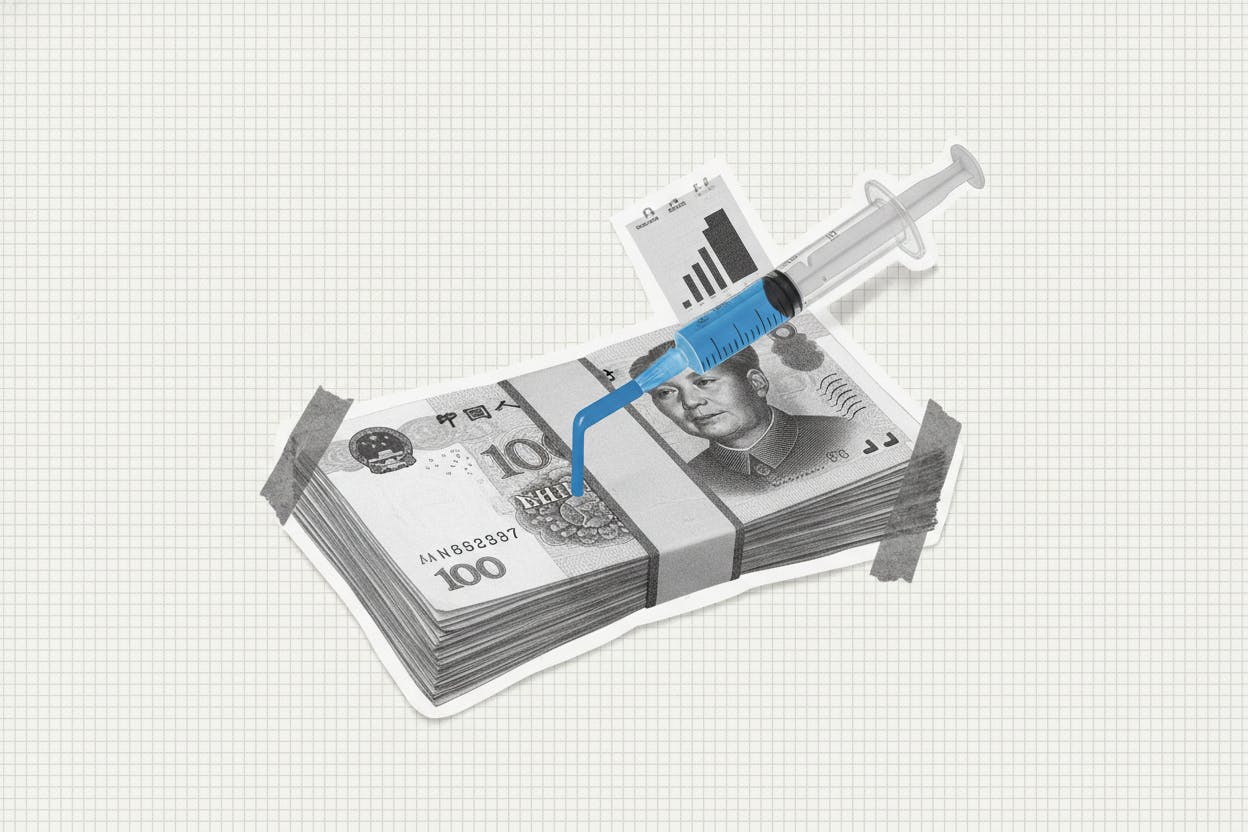
A lone dissenter on the Bank of Japan's policy board is now the voice markets are watching closely. Board member Toichiro Asada, who voted against the BOJ's June decision to raise its key interest rate to 1%, told Reuters he could support future rate hikes—but only if inflation is clearly driven by stronger demand and rising wages.
Asada's comments offer a rare window into the internal debate at Japan's central bank, which has been gradually normalizing policy after years of ultra-loose monetary settings. His stance underscores the challenge policymakers face: distinguishing between "good" inflation, where people earn and spend more, and "bad" inflation, where companies simply pass on higher costs.
What Asada Said
In an interview with Reuters, Asada explained that he needs to see demand-driven inflation and wage growth that sustainably hits the BOJ's 2% target before he can back further rate increases. He noted that even as firms pass higher costs through faster, the current price gains are not yet clearly rooted in stronger consumer demand.
Asada was the sole board member to oppose the June rate hike, which lifted the BOJ's short-term policy rate to 1% from 0.75%. At the time, he cited geopolitical risks and uncertainty about the economic outlook as reasons for his dissent. Now, his conditional openness to future hikes suggests he is not opposed to tightening per se, but wants more evidence that the economy can handle it.
Why It Matters for Japan's Economy
Japan has been running close to the BOJ's 2% inflation target for months, but the quality of that inflation matters. Much of the recent price pressure has come from higher import costs—especially energy and raw materials—rather than from domestic demand. The BOJ wants to see a virtuous cycle where companies raise wages, workers spend more, and prices rise because people are buying more, not just because costs are going up.
Asada's focus on wage growth is key. Japan's major unions secured substantial pay raises in this year's spring wage negotiations, but it remains unclear whether smaller firms and part-time workers will see similar gains. Without broad-based wage growth, the BOJ risks choking off the recovery by raising rates too soon.
The broader backdrop includes global uncertainty, such as recent oil price volatility tied to Strait of Hormuz tensions, which could feed into Japan's import costs and complicate the inflation picture. Meanwhile, the BOJ is also watching how other central banks, like the Federal Reserve, handle their own rate paths—with markets closely parsing tech sector signals and broader risk appetite.
What It Means for Investors
For everyday investors, Asada's comments are a reminder that the BOJ's policy path is not a straight line. The central bank is trying to exit decades of ultra-loose policy without triggering a recession or a sharp yen rally that could hurt exporters.
If Asada's conditions are met—strong demand and wage growth—future rate hikes could come sooner than markets expect. That would likely push the yen higher, which benefits Japanese bond holders but could weigh on the stock market, especially export-oriented companies like automakers and electronics firms. Conversely, if inflation remains cost-driven and wages lag, the BOJ may hold off, keeping the yen weaker and supporting equities.
Investors should also watch for clues from other BOJ board members. Asada is just one of nine, but his dissenting voice often signals a broader range of views within the bank. Markets will parse future policy statements and minutes for any shift in consensus.
For those with exposure to Japanese assets—whether through ETFs, mutual funds, or individual stocks—the key takeaway is that the BOJ is data-dependent and divided. The path of rates will hinge on real economic data, not just inflation headlines. Keep an eye on wage negotiations, consumer spending reports, and the BOJ's quarterly outlook for clues on when the next move might come.
In the meantime, global factors like commodity price moves and central bank surveys will continue to shape the backdrop for Japan's economy and markets.