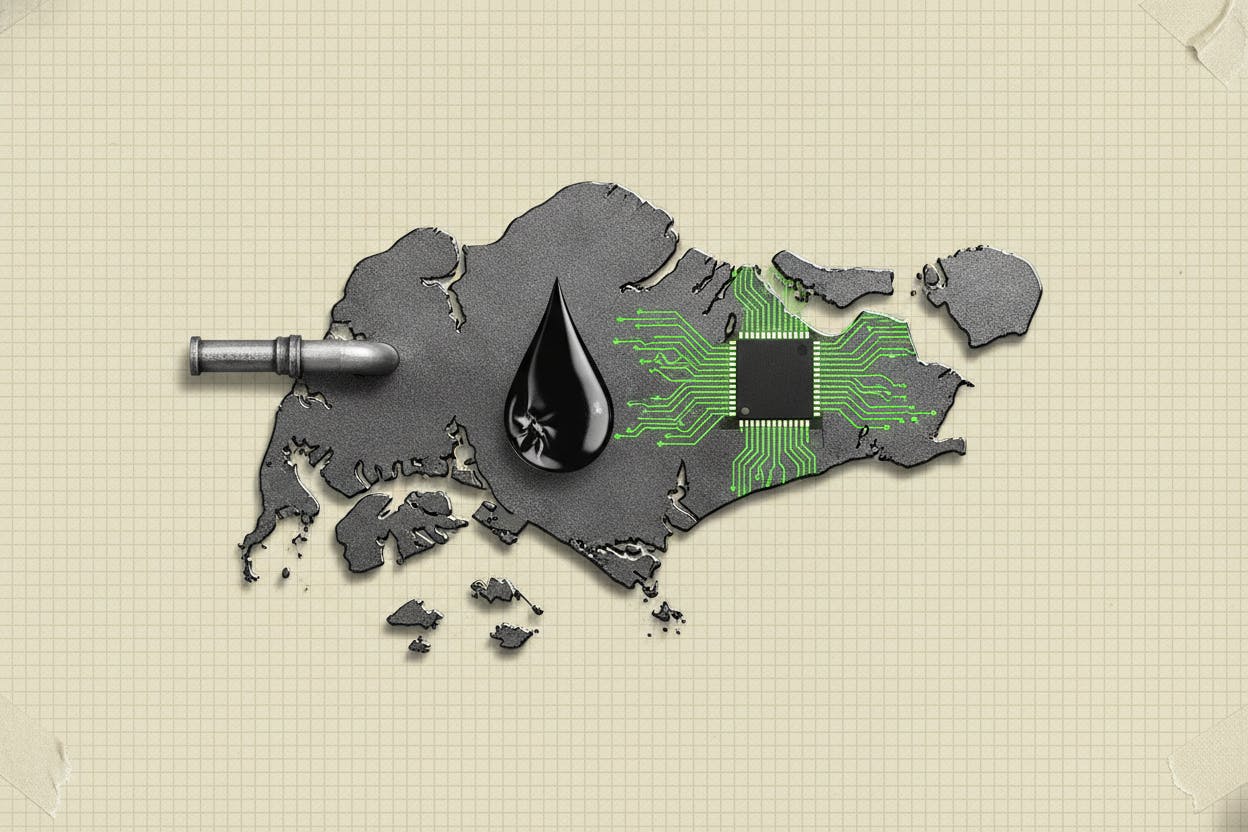
Taiwan's inflation accelerated to a 17-month high in June, with consumer prices climbing 2.60% from a year earlier, according to official data released this week. The jump, driven by higher fuel and summer electricity costs, marks a notable uptick from May's 2.2% reading and has caught the attention of economists and investors alike.
The statistics agency highlighted that fuels and lubricants surged 19.45% year over year, while airfares, package tours, and vehicle repairs also contributed to the rise. Seasonal and holiday-related factors added to the upward pressure. More importantly for policymakers, core inflation—which strips out volatile items like food and energy—remained firm at 2.45% year over year, suggesting that price pressures are not solely an energy story.
What the Data Shows
The June CPI reading came in above market expectations of around 2.3% and even beat ING's own forecast of 2.4%. The Dutch bank noted that the upside surprise was broad-based, with services and goods both showing strength. However, ING analysts argued that June could still be the peak for inflation this year, citing "base effects"—meaning comparisons to last year's lower numbers will become less favorable—and recent moves in energy prices.
Despite the hot print, ING does not see it as a done deal that Taiwan's central bank will raise rates at its next meeting in September. The bank said the decision is "very much live," meaning it could go either way. ING currently has a 0.125 percentage point rate hike penciled in for September, but that depends on whether inflation remains sticky while economic growth continues at what it called an "astounding pace."
What It Means for Investors
For markets, the key takeaway is that Taiwan's inflation trajectory keeps the central bank in focus. If traders begin to price in a higher policy rate path, the first place that tends to show up is in short-term interest rates, since those are most sensitive to upcoming meetings. The Taiwan dollar could also move, as higher expected rates make Taiwan dollar-denominated assets more attractive relative to those in other currencies.
This dynamic is similar to what other economies have experienced. For instance, in the Czech Republic, inflation dipping below 2% has kept the central bank cautious, while in Japan, real wage growth slowing has complicated the Bank of Japan's policy path. In Taiwan, the focus will be on whether inflation proves persistent enough to force the central bank's hand.
ING's view is that the June data alone does not lock in a rate increase. But if upcoming months show inflation staying elevated while growth remains strong, the probability of a September hike will rise. Investors should watch for further inflation prints and any commentary from central bank officials in the weeks ahead.
For now, Taiwan's short-dated bond yields and the Taiwan dollar are likely to react more to each new inflation report than to longer-term growth narratives. That means the next few months could be volatile for those markets as the central bank's decision draws closer.