The Bank of Canada's quarterly Business Outlook Survey has revealed a notable shift in corporate Canada's priorities: firms are more willing to invest in machinery and equipment but less eager to add workers. The divergence, highlighted by BMO economists, is a rare pattern in the central bank's long-running survey and carries implications for both productivity and inflation.
What the survey shows
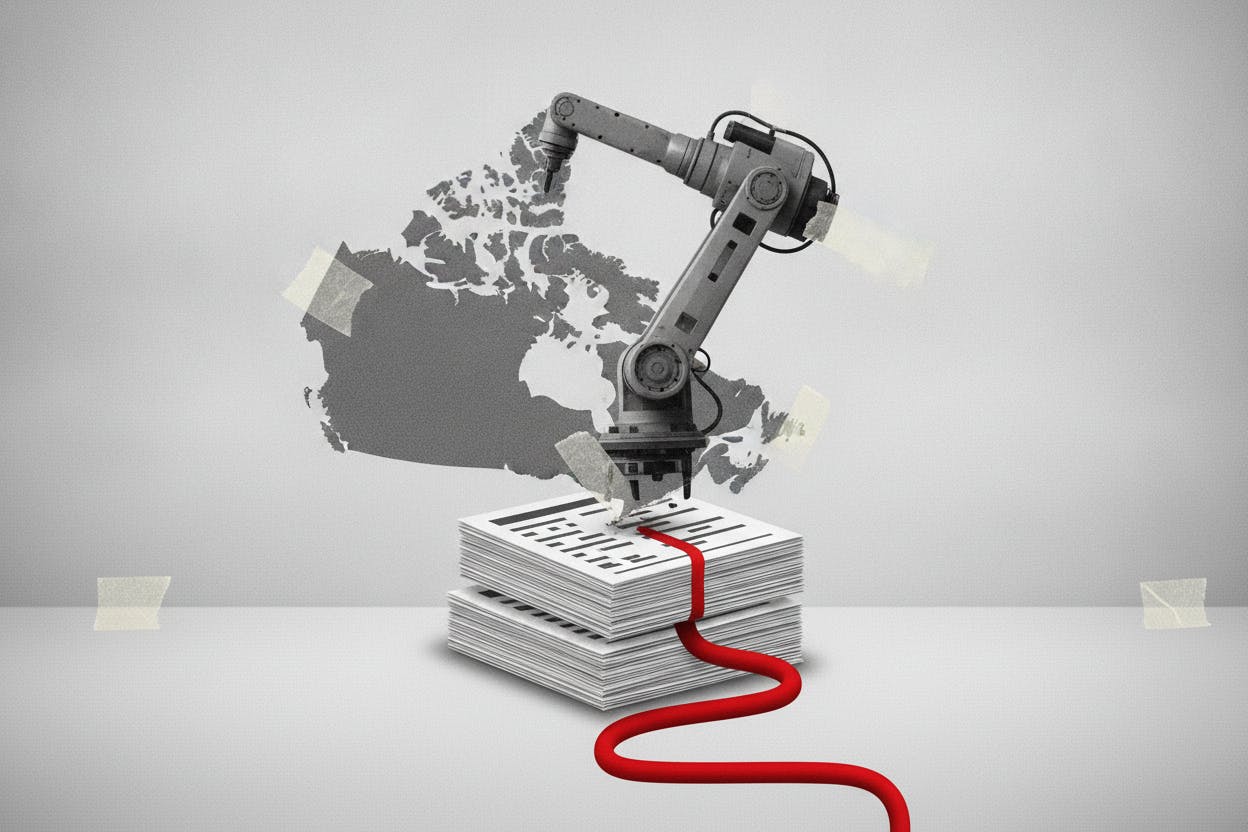
The survey found that 30% of firms plan to increase spending on machinery and equipment, up from 29% in the previous quarter and well above the long-run average of about 18%, according to a note from Bank of Montreal. At the same time, hiring intentions slipped to 27%, below the historical average of 34%. This gap between investment and hiring plans is unusual, BMO noted, and suggests companies are prioritizing automation and efficiency over expanding their workforce.
The Bank of Canada's Business Outlook Survey is a key tool for understanding the mood of Canadian businesses. It asks firms about their sales expectations, investment plans, hiring intentions, and pricing outlook. The results help the central bank gauge the health of the economy and make decisions about interest rates.
Why the split matters
When companies invest more in equipment, it often means they are trying to produce more with fewer workers. That can boost productivity—a long-standing weakness in the Canadian economy. Higher productivity allows firms to pay higher wages without raising prices, which is good for both workers and the central bank's inflation target.
However, the drop in hiring intentions could also mean that firms are cautious about the economic outlook. If companies expect demand to soften, they may prefer to invest in machines that can be turned off or scaled back rather than commit to permanent staff. That caution could weigh on consumer spending if fewer people are hired or if wage growth slows.
There is also a risk that the shift toward more capital spending could lead to higher prices in the short term. If firms pass on the cost of new equipment to customers, inflation could stay stickier than expected. The Bank of Canada has been watching for signs that businesses are still able to raise prices without losing sales, and this survey suggests some pricing power remains.
What it means for investors
For everyday investors, the survey offers a mixed picture. On one hand, stronger business investment is a positive sign for the economy and for companies that sell machinery, technology, and industrial equipment. On the other hand, weaker hiring intentions could mean slower job growth and less consumer spending, which might hurt retail, housing, and other domestic sectors.
The Bank of Canada's next interest rate decision will be influenced by this data. If businesses are investing but not hiring, the central bank may see less urgency to cut rates, as the economy is still showing some resilience. However, if the labor market weakens further, rate cuts could come sooner to support growth.
Investors should also watch for how this trend affects different industries. Companies that rely heavily on labor, such as restaurants and retailers, may face higher costs if they have to compete for fewer workers. Meanwhile, firms that can automate may see their profit margins improve over time.
For broader context, the survey comes as the Canadian economy has been navigating a period of high interest rates and slowing growth. The Bank of Canada has held its key rate at 5% since July 2023, and markets are watching for signs of when the first cut might come. The divergence between investment and hiring plans adds another layer of complexity to that decision.
BMO's analysis suggests that if the trend continues, it could help Canada close its productivity gap with the United States, but it might also keep inflation above target for longer. That would be a key factor for the Bank of Canada as it balances the need to support growth with the need to keep prices stable.
In the meantime, investors should keep an eye on upcoming economic data, including employment reports and business confidence surveys, to see if the gap widens or narrows. The Bank of Canada's next policy meeting is scheduled for April 10, and the survey results will be part of the discussion.