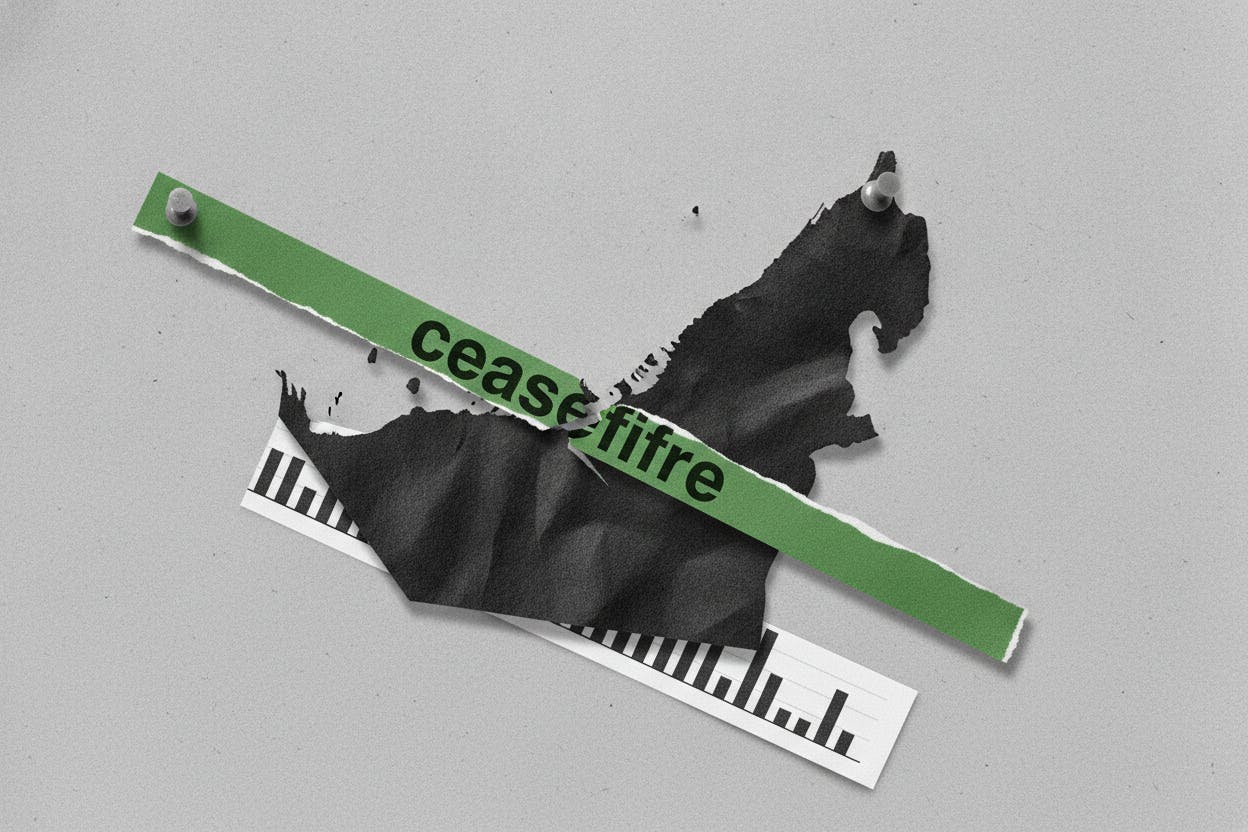
UAE stock markets ended lower on Tuesday after conflicting statements from the United States and Iran over whether diplomatic talks in Doha were even on the calendar left investors in a cautious mood.
Abu Dhabi's FTSE ADX General Index slipped 0.359%, while Dubai's DFM General Index fell 0.63%. The declines were driven more by geopolitics than corporate earnings, as traders reacted to a public disagreement between US President Donald Trump and Iranian officials.
Mixed Messages from Washington and Tehran
The confusion began when President Trump stated that a meeting with Iran would take place in Doha at Iran's request. However, Iranian Foreign Ministry spokesperson Esmaeil Baghaei quickly pushed back, saying no talks were planned in the coming days. The contradictory statements created uncertainty about the status of US-Iran diplomacy, a key factor for Gulf markets given the region's proximity to Iran and its exposure to any potential conflict or detente.
ING, a Dutch bank, noted in a research note that recent trading patterns suggest markets have been treating the temporary US-Iran ceasefire as if it were a lasting deal. This assumption may now be tested as the mixed signals raise doubts about the durability of the current calm.
What This Means for Investors
For everyday investors in UAE stocks, the day's moves underscore how sensitive local markets remain to geopolitical headlines. The UAE's economy is closely tied to regional stability, and any signs of tension between the US and Iran can quickly affect investor sentiment. While the declines were modest—less than 1% in both indexes—they highlight the risk of assuming that a temporary truce will hold.
Investors should watch for further clarity on US-Iran talks. If a meeting does go ahead in Doha, it could ease tensions and support markets. But if the disagreement persists, volatility may continue. The situation also echoes broader market reactions to Middle East tensions, as seen in recent moves in other global markets. For instance, Hong Kong stocks dipped 0.6% earlier this week amid similar concerns, and Shanghai's composite index slipped 0.4% as mixed US-Iran signals offset a slight improvement in Chinese factory activity.
Broader Market Context
The UAE market moves come against a backdrop of global uncertainty. Central banks in major economies, including the US Federal Reserve, have been signaling potential rate hikes to combat inflation, which has weighed on risk assets worldwide. AI stocks have lifted global markets recently, but rate hike bets have resurfaced, adding to the cautious tone.
In the Gulf region, oil prices also play a role, though they were relatively stable on Tuesday. The UAE's economy is diversified beyond oil, but energy still influences market sentiment. Any disruption to Iran's oil exports due to renewed tensions could affect global supply and prices, indirectly impacting UAE stocks.
Looking Ahead
Investors will now focus on any official statements from the US or Iran that clarify the status of talks. A confirmed meeting in Doha could provide a short-term boost, while continued disagreement may lead to further selling. The broader trend for UAE stocks will also depend on global factors, including the path of interest rates and corporate earnings reports.
For now, the message from the market is clear: geopolitical uncertainty remains a key risk, and investors should be prepared for swings as events unfold.