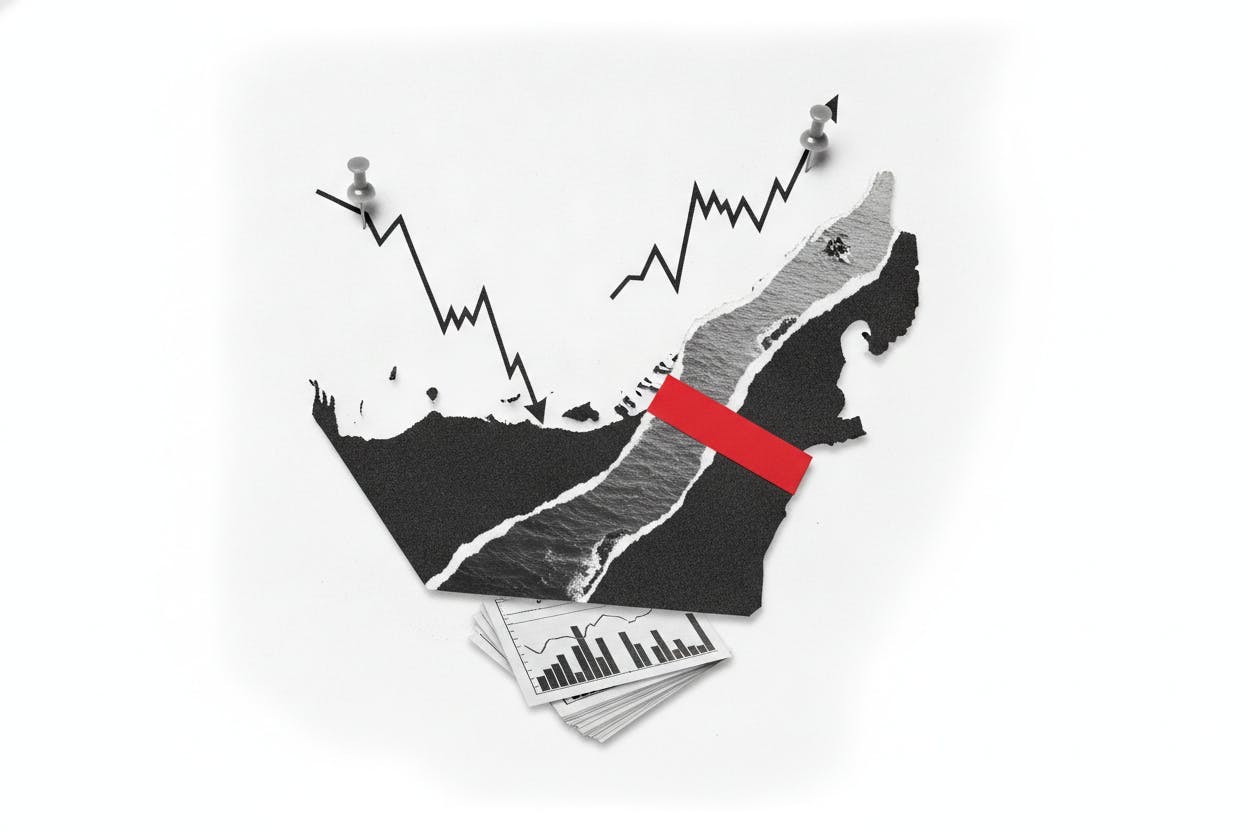
UAE stocks ended the week on a split note, with Abu Dhabi's main index slipping 0.26% while Dubai's benchmark rose 0.45%. The divergence came as investors juggled a busy stretch of corporate earnings against fresh geopolitical worries over the Strait of Hormuz and a key US inflation reading due next week.
The moves reflect a market caught between two forces: company-specific news that can lift or sink individual shares, and broader macro risks that tend to move everything at once. For everyday investors, the takeaway is that regional markets are not moving in lockstep right now—sector and stock selection matter more than usual.
Earnings tug sentiment in both directions
Company results were the main driver of individual stock moves. Dana Gas, a UAE-based energy firm, reported a 47% year-on-year jump in first-half net profit, helped by higher revenue. The market rewarded the news, sending its shares up 2.8%. For a mid-sized energy player, that kind of growth often signals stronger cash flow, which can support dividends or reinvestment—both things investors tend to watch closely.
But not every earnings beat was met with applause. Insurance House, a local insurer, fell 4.9% even after reporting a profit jump. That disconnect is a reminder that investors are looking beyond the headline number. They want to know whether the profit growth is sustainable, where it came from, and whether it was driven by one-off gains or core operations. A company can post strong earnings and still see its stock fall if the quality of those earnings is questioned.
Meanwhile, Emaar—one of the region's largest real estate developers—also reported results, though the brief does not specify the details. Its performance, along with other major names, helped shape the overall market tone. Real estate and construction stocks are heavily weighted in Dubai's index, so their earnings carry outsized influence on the benchmark's direction.
Hormuz tensions and the oil factor
Adding to the mix is renewed uncertainty over US-Iran talks and what they might mean for shipping through the Strait of Hormuz. The strait is a critical chokepoint for global oil supplies—roughly one-fifth of the world's petroleum passes through it. Any disruption, or even the threat of one, can push oil prices higher and ripple through energy stocks and shipping costs.
For UAE markets, the stakes are direct. The country is a major oil exporter, and its economy is closely tied to energy prices. Higher oil can boost government revenues and support sectors like banking and real estate, but it also raises the risk of inflation and could weigh on global growth. Investors are watching whether tensions escalate or ease, and how that might affect shipping lanes and insurance premiums for vessels in the region.
Oil prices have been a key driver of emerging market sentiment recently, as emerging markets hold steady while oil rises on the Hormuz shipping threat. That dynamic is playing out again this week, with regional markets sensitive to every headline from the talks.
US inflation data looms
Next week, investors will turn their attention to the latest US inflation report. The data is important because it influences the Federal Reserve's interest rate decisions. If inflation comes in hot, the Fed may keep rates higher for longer, which tends to strengthen the dollar and put pressure on emerging market assets, including those in the Gulf. If it cools, the door opens for rate cuts, which could boost risk appetite globally.
For UAE investors, US rates matter in two ways. First, many regional currencies are pegged to the dollar, so US monetary policy directly affects local borrowing costs and liquidity. Second, higher US rates can draw capital away from emerging markets as investors seek better yields in safer assets. That's why the inflation print is being watched so closely—not just in New York, but in Dubai and Abu Dhabi as well.
The wait for the data has kept gains in check across global markets, as seen in European stocks edging higher but oil and jobs data keeping gains in check. The same cautious mood is evident in the UAE, where traders are reluctant to make big bets ahead of the release.
What it means for investors
For ordinary investors, the split in UAE markets is a useful reminder that not all stocks move together. Even within a single market, earnings quality and sector exposure can lead to very different outcomes. A company like Dana Gas, with strong profit growth, can rally, while an insurer with a less transparent earnings picture can fall despite a headline beat.
Geopolitical risk adds another layer. The Hormuz situation is a classic example of an event that can cause sudden, sharp moves in oil and shipping-related stocks. Investors should be prepared for volatility and consider how their portfolio might be affected if tensions escalate.
Finally, the US inflation data is a macro event that could set the tone for markets worldwide. A surprise in either direction could trigger a broader reassessment of risk. For now, the UAE market is taking it in stride, but the coming week could bring clearer direction.
As always, the key is to focus on the fundamentals of individual companies while staying aware of the bigger picture. Earnings season is a good time to review holdings and ask whether the numbers behind the headlines support your investment thesis.