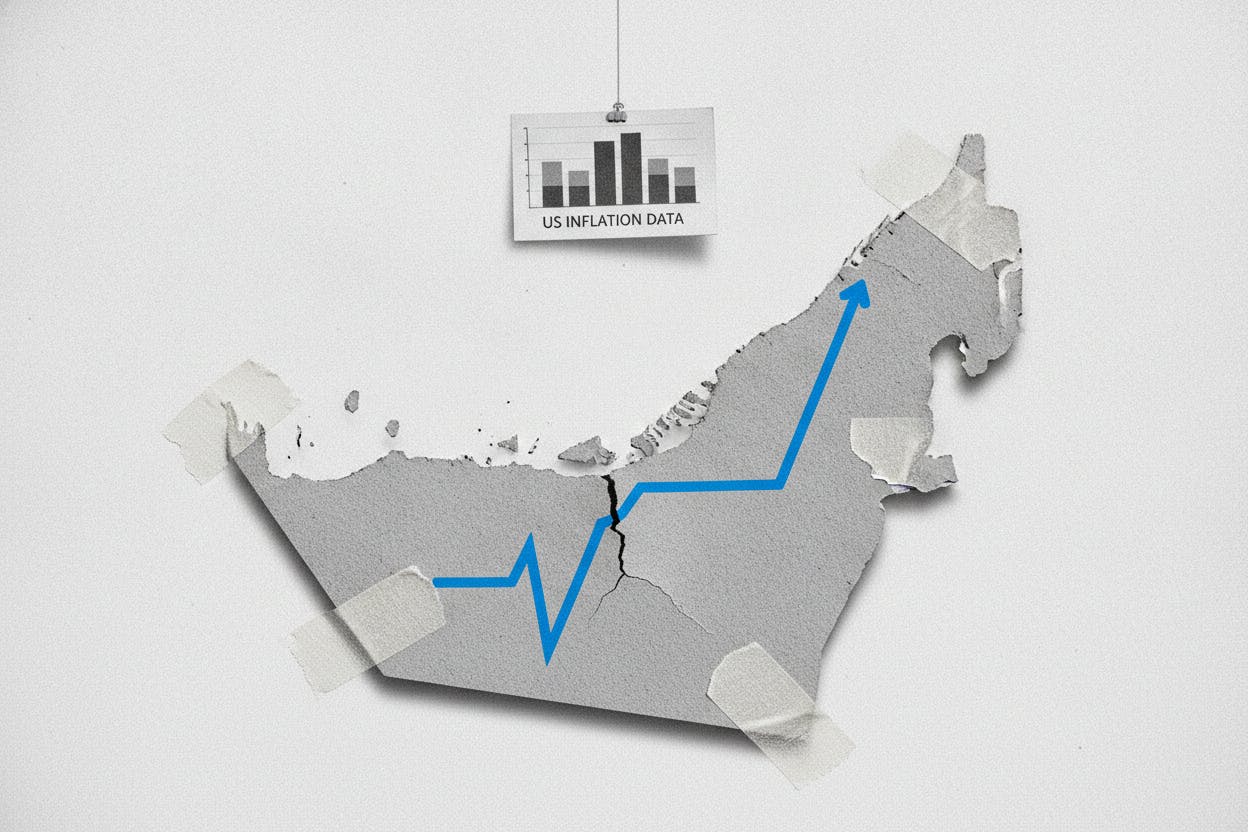
UAE stock markets closed on a mixed note on Tuesday, with Abu Dhabi's main index slipping and Dubai's benchmark edging higher, as investors looked past a quiet local news day and focused on the next big catalyst for global markets: the US inflation report due later this week.
Abu Dhabi's ADX fell 0.339%, while Dubai's DFM rose 0.552%. The divergence reflects a broader wait-and-see mood among traders, who are holding off on big bets until they see the latest reading of the US personal consumption expenditures (PCE) price index, the Federal Reserve's preferred inflation gauge.
Why the PCE report matters
The PCE index is one of the key data points the US central bank uses to set interest rates. Unlike the more widely quoted consumer price index (CPI), PCE captures changes in consumer behavior, such as substituting cheaper goods when prices rise, and it includes a broader range of spending. That makes it a more accurate reflection of underlying inflation pressures in the economy.
Because the Fed has been trying to bring inflation down to its 2% target, any surprise in the PCE numbers can quickly shift expectations for the next rate move. If inflation comes in hotter than expected, traders may bet on the Fed keeping rates higher for longer. If it comes in cooler, the opposite—hopes for rate cuts sooner rather than later.
Research firm Stifel expects July headline PCE to rise 0.1% from June and cool to 3.6% year-on-year. The "core" PCE, which strips out volatile food and energy prices, is seen at 0.2% month-on-month and 3.3% year-on-year. These estimates are in line with the gradual slowdown the Fed has been hoping to see.
What a Fed pause means for UAE markets
For UAE investors, the Fed's rate path matters more than it might seem. The UAE dirham is pegged to the US dollar, so the central bank here tends to follow the Fed's lead on interest rates. When the Fed raises rates, the UAE central bank typically does the same, which affects borrowing costs for businesses and consumers in the Emirates.
Higher rates can weigh on stock valuations, especially for growth-oriented companies, because future earnings are discounted at a higher rate. Conversely, expectations of rate cuts can boost sentiment and support equity prices. That's why traders in Abu Dhabi and Dubai are watching the PCE report so closely—it could set the tone for the next few weeks of trading.
The split between the two exchanges also reflects different sector compositions. Abu Dhabi's index is heavily weighted toward financials, energy, and utilities, while Dubai's is more tilted toward real estate, hospitality, and consumer names. On a quiet day, sector-specific moves can easily push the two indices in opposite directions.
What investors should watch next
Beyond the PCE report, investors are also keeping an eye on the Federal Reserve's annual Jackson Hole symposium, where central bank officials often signal their policy intentions. Any comments from Fed Chair Jerome Powell could move markets just as much as the inflation data itself.
For everyday investors, the key takeaway is that the Fed's next move will have ripple effects far beyond US borders. A pause in rate hikes could ease pressure on emerging markets and support risk appetite globally, including in the Gulf. On the other hand, if inflation proves sticky, the Fed may have to keep rates elevated, which could keep a lid on stock market gains.
As always, it's wise to remember that short-term market moves are often driven by headlines and expectations, not long-term fundamentals. For those with a diversified portfolio, a single inflation report—even an important one—shouldn't prompt drastic changes. But for traders looking to time their next move, the PCE print is the event to watch.
In the meantime, UAE markets are likely to remain range-bound until the data lands. The quiet local news calendar means external factors will continue to drive sentiment, and the next few days could bring more volatility as investors digest the latest inflation signals.



