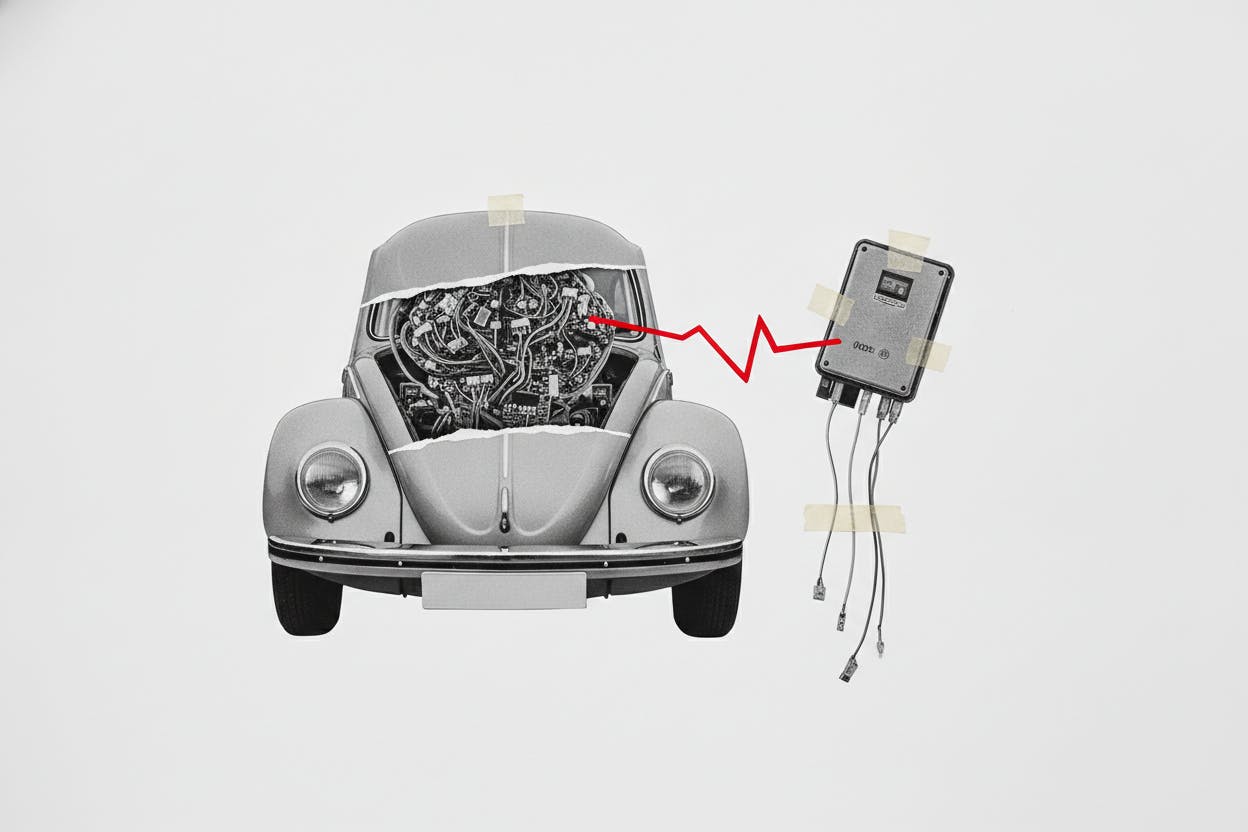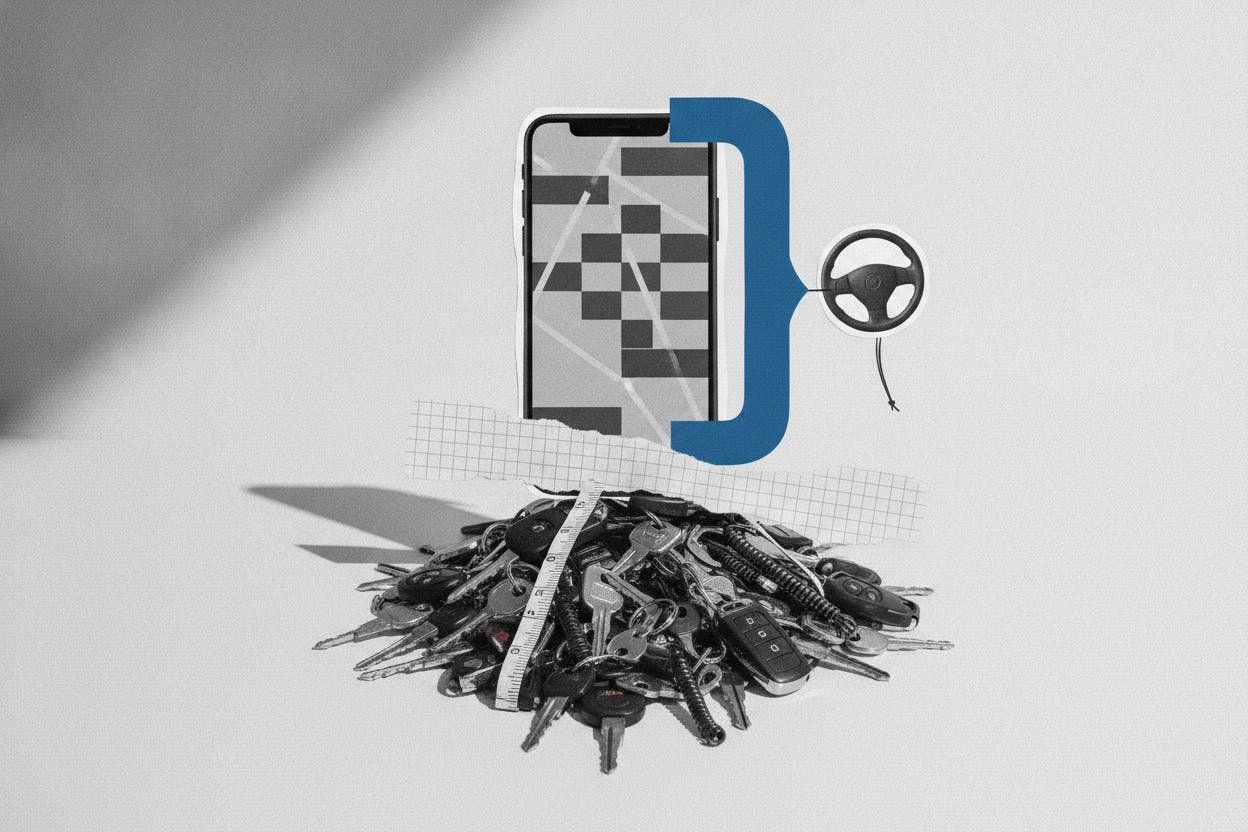
Uber is doubling down on self-driving cars, announcing plans to invest more than $10 billion in robotaxis over the coming years. The ride-hailing giant said the spending will go toward equity stakes in autonomous-driving partners and support for fleet operations and vehicle commitments, even as it keeps Alphabet's Waymo—its most prominent partner—in the mix.
The announcement came alongside Uber's latest earnings, where its profit outlook for the next quarter came in slightly below what Wall Street had expected. That shortfall, while modest, highlights the financial trade-offs of Uber's push into autonomous vehicles.
What the $10 billion actually buys
That headline number isn't just about adding self-driving rides to Uber's app. The company said much of the spending will come through equity investments in autonomous-driving partners and support for fleet operations and vehicle commitments. That pulls Uber a bit closer to an "owns more, funds more" model—a shift from its traditional asset-light approach, where it simply connects drivers with riders.
In practice, this means Uber is willing to put its own money on the line to secure access to robotaxi technology and vehicles. By investing directly in partners, Uber can help ensure its platform remains the go-to app for autonomous rides, rather than losing ground to competitors that might build their own networks.
Keeping Waymo in the picture is significant. Waymo, a unit of Alphabet, is widely seen as a leader in self-driving technology, with commercial robotaxi services already operating in several U.S. cities. For Uber, maintaining that relationship is a way to hedge its bets—it can benefit from Waymo's progress while also backing other players.
Why the profit outlook matters
Uber's profit guidance for the upcoming quarter came in a touch below analyst expectations. That's a reminder that the robotaxi push isn't free. Investments in autonomous driving can weigh on near-term earnings, even if they're aimed at long-term growth.
For everyday investors, this is a classic trade-off: a company spending heavily today to position itself for tomorrow. The risk is that those investments don't pay off as quickly as hoped, or that competitors—like Tesla, which is also pursuing robotaxis, or other ride-hailing apps—move faster.
The broader context is that the autonomous vehicle race is heating up. Companies across the tech and auto industries are pouring billions into self-driving technology, betting that robotaxis will eventually reshape urban transportation. Uber's move is a clear signal that it intends to be a major player in that future, even if it means accepting thinner profits in the near term.
What it means for investors
For investors, the key takeaway is that Uber is becoming more capital-intensive. Historically, Uber's appeal was its ability to scale without owning vehicles. Now, it's committing billions to a future where it may need to fund fleets and take equity stakes in technology partners.
That shift could mean higher costs and more volatility in earnings, at least until robotaxis become a meaningful revenue driver. It also means Uber's success will be tied more closely to the fortunes of its autonomous-driving partners, including Waymo.
Investors should watch how Uber balances this spending with its core ride-hailing and delivery businesses, which remain profitable. The company's ability to generate cash from those operations will help fund its robotaxi ambitions without straining its balance sheet.
It's also worth noting that Uber isn't alone in making big bets on automation. Other companies are pursuing similar strategies, and the competitive landscape could shift quickly. For now, Uber's $10 billion commitment signals confidence that robotaxis are the future—but it's a bet that will take years to play out.
As always, this is a story about long-term strategy meeting short-term expectations. The profit miss is a reminder that big investments come with costs, but for investors focused on the next decade, Uber's robotaxi push could be a defining move.