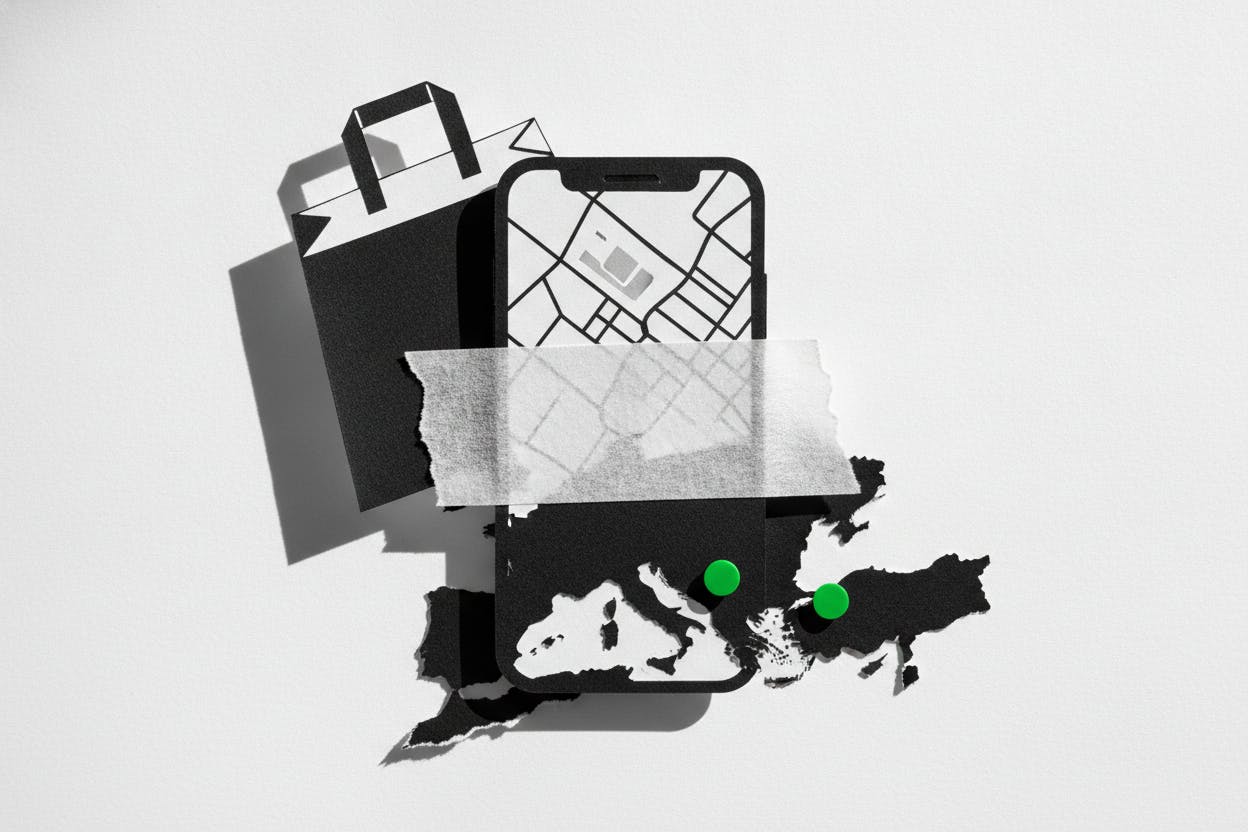
Uber has hit the brakes on its European food delivery expansion, shelving planned launches in five of seven countries it had targeted for this year, according to a report from the Financial Times. The company is instead focusing its efforts on a potential acquisition of Delivery Hero, a major European delivery platform.
The decision marks a strategic shift for Uber, which has been aggressively expanding its Uber Eats service globally. By pulling back in countries including Austria, Norway, and Greece, the company is signaling that it values near-term profitability and cash preservation over rapid market share gains.
The Cost of Building Density
Launching food delivery in a new country is expensive. Platforms typically spend heavily on discounts and promotions to attract both diners and restaurants. At the same time, courier coverage is thin, making each delivery less efficient until enough orders are concentrated in the same neighborhoods. This “build density” phase can take months or years and often results in significant upfront losses.
By pausing most of its European launches, Uber is choosing to avoid those costs in multiple markets simultaneously. Instead, the company is betting that acquiring Delivery Hero—a company with an established network and customer base—could be a faster and more capital-efficient way to gain scale in Europe.
Investor Reaction
Investors interpreted the pause as a trade-off between growth and focus. Uber shares fell 2.9% following the report, reflecting concerns that the company’s organic expansion plans are slowing. However, the move also highlights Uber’s commitment to improving its bottom line, which could be a positive signal for those focused on profitability.
The timing of the pause is notable. Uber is still actively pursuing a deal for Delivery Hero, and the shelved launches reduce the financial drag from new market entries. This could make the company’s delivery segment more attractive to potential acquirers or investors, but it also puts more pressure on the Delivery Hero negotiations to succeed.
What It Means for Investors
For everyday investors, this development shifts the lens through which to view Uber’s European delivery strategy. Fewer new launches mean fewer upfront losses from promotions and startup inefficiencies, which may help near-term profitability and cash flow. But it also makes the consolidation route more central: if Uber wants to expand its footprint quickly, a Delivery Hero tie-up matters more, and any regulatory or pricing hurdles could have a bigger impact on expectations.
That’s why investors may start judging Uber’s delivery outlook less on organic expansion and more on the odds and economics of a large acquisition. The European delivery market is competitive, with players like Just Eat Takeaway and Deliveroo also vying for market share. A successful Delivery Hero deal could give Uber a significant advantage, but it also carries integration risks and potential antitrust scrutiny.
In the broader context of European markets, this story fits into a pattern of deal-making and strategic shifts. Recent headlines include EasyJet soaring 11% on a sweetened take-private bid and Thales, Continental, and EasyJet leading a busy day of deal-making. Uber’s pause and potential acquisition are part of this active landscape.
For now, Uber is betting that a single large acquisition can do the work of multiple organic launches. Whether that bet pays off will depend on the terms of any deal with Delivery Hero and the regulatory environment in Europe. Investors should watch for updates on the acquisition talks and any signs of renewed organic expansion in the future.