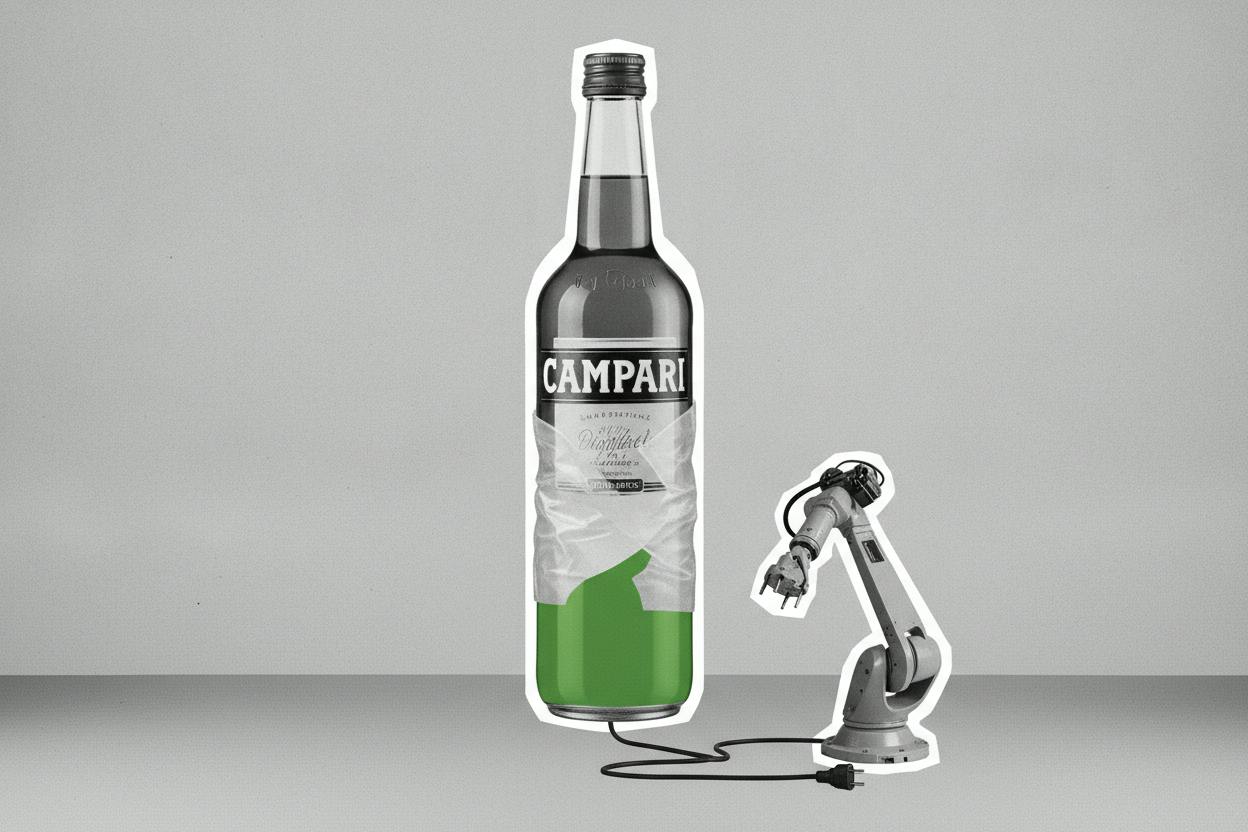
UBS has upgraded Italy's Campari Group to a buy rating, saying the drinks maker's bigger push into ready-to-drink (RTD) cocktails could reignite sales growth and, later, boost cash generation. The Swiss bank's research arm, UBS Global Research, expects organic growth—sales growth excluding currency moves and acquisitions—to run above 4% in the second half of fiscal 2026, with some upside risk to profit margins next year.
What's driving the upgrade?
Campari is best known for its aperitifs, such as Campari and Aperol, but the company has been expanding into ready-to-drink formats—pre-mixed cocktails and spritzes that consumers can grab from a fridge or cooler. These products have become a fast-growing segment in the global spirits market, appealing to younger drinkers who value convenience and are willing to pay a premium for a well-known brand in a can or bottle.
UBS believes this RTD push can help Campari grow without relying on a single blockbuster brand. By offering more formats and flavors, the company can capture a wider range of drinking occasions, from a casual picnic to a party. The bank's upgrade suggests it sees this strategy as a meaningful growth driver, not just a side project.
The upgrade also points to a projected jump in free cash flow in fiscal 2027 as capital expenditure cools. Campari has been investing heavily in production capacity and brand building, but as those projects wind down, the company should generate more cash that can be returned to shareholders or used for acquisitions.
Why does this matter for investors?
For everyday investors, the key takeaway is that a major bank sees a path to faster growth for a large, established consumer brand. Campari is a staple in many European portfolios, and its shares are often seen as a defensive play on consumer spending. But the company has faced headwinds in recent years, including rising costs and slower demand in some markets.
If UBS is right, Campari could deliver stronger sales growth in the second half of 2026, which would likely support the stock price. The projected free cash flow jump in 2027 could also lead to higher dividends or share buybacks, which would benefit income-focused investors.
However, it's important to remember that analyst upgrades are just one opinion. The actual results will depend on how well Campari executes its RTD strategy, how consumers respond, and whether the broader economy cooperates. The company also faces competition from other spirits makers and from craft cocktail brands that are entering the RTD space.
What to watch next
Investors will be watching Campari's next earnings reports for signs that the RTD push is gaining traction. They'll also look at the company's capital expenditure plans to see if the projected cash flow boost materializes. Any updates on margins—especially in the face of input cost inflation—will be closely scrutinized.
Campari's move into RTD is part of a broader trend in the alcohol industry, where convenience and premiumization are converging. Other major players, such as Diageo and Pernod Ricard, have also invested heavily in ready-to-drink products. This suggests the category is here to stay, but it also means competition will be intense.
For investors, the lesson is that even established brands need to innovate to stay relevant. Campari's RTD push is a bet that it can do just that, and UBS is willing to back that bet with a buy rating.
As always, it's wise to consider how this fits into your own portfolio and risk tolerance. Analyst upgrades can be a useful signal, but they're not a guarantee of future performance.