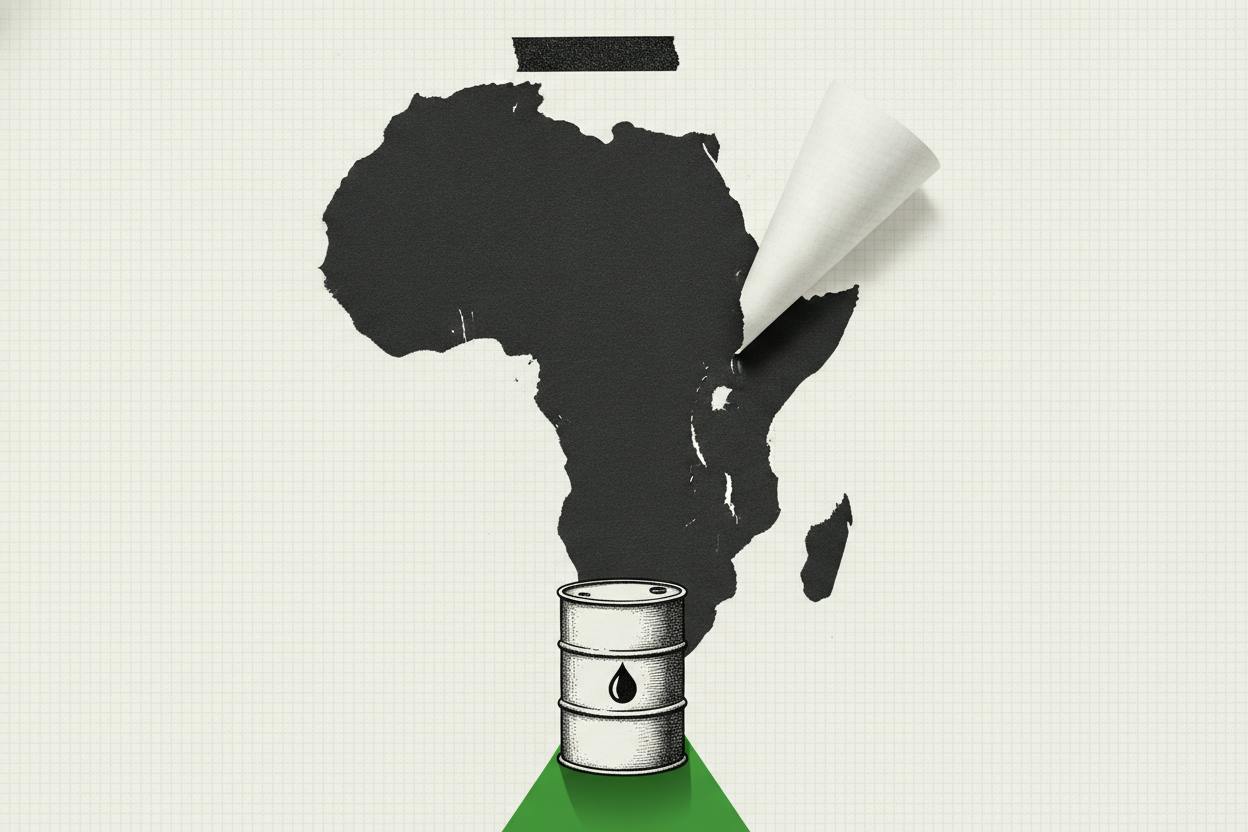
African markets are starting the week with a trio of macro drivers in focus: a central bank rate decision in Uganda, softer oil prices tied to US-Iran talks, and South Africa's rand reacting to election results. Each carries its own implications for investors with exposure to the continent.
Uganda's rate decision
The Bank of Uganda is due to announce its latest policy rate, a decision that will signal how the central bank views inflation and economic growth. In recent months, many African central banks have been navigating a delicate balance: keeping rates high enough to tame inflation, but not so high that they choke off growth.
For Uganda, the rate decision matters beyond its borders. A surprise move—either a cut or a hike—can influence the shilling's value and the attractiveness of Ugandan assets to foreign investors. If the bank signals a more dovish path, it could ease borrowing costs for businesses and consumers, but it might also put downward pressure on the currency.
Investors watching Uganda will be looking for clues about the central bank's outlook on inflation and whether it sees room to support growth. The decision comes as many emerging-market central banks are either holding steady or beginning to ease, depending on their local inflation dynamics.
Oil slips on US-Iran progress
Oil prices are edging lower on signs of progress in talks between the United States and Iran. Any deal that could bring more Iranian crude to global markets would add to supply, potentially pushing prices down further. For African oil producers like Nigeria and Angola, lower oil prices can squeeze government revenues and weigh on their currencies and stock markets.
For net importers of oil on the continent, such as Kenya and South Africa, cheaper crude is generally a positive. It can reduce fuel import bills, ease inflation pressures, and give central banks more room to cut interest rates. That dynamic is one reason why the oil move is being watched closely across African markets.
The US-Iran talks are still at an early stage, and any deal is far from certain. But the market's reaction shows how sensitive oil prices are to geopolitical headlines. Investors should keep an eye on whether the talks progress or stall, as that will likely drive further swings in crude.
South Africa's rand tracks elections
South Africa's rand is trading in response to election results, as investors digest the political landscape. The rand is often a barometer for emerging-market sentiment, and political uncertainty can trigger volatility. Election outcomes that are seen as market-friendly—such as a clear mandate for reform—tend to support the currency, while prolonged coalition talks or policy uncertainty can weigh on it.
For investors with exposure to South African assets, the rand's moves matter. A weaker rand can boost the earnings of exporters but makes imports more expensive and can fuel inflation. It also affects the returns of foreign investors holding South African stocks and bonds when they convert back to their home currencies.
The election results are still being processed, and the final outcome may take time. In the meantime, the rand is likely to remain sensitive to headlines and any signals about the shape of the next government.
What it means for investors
For everyday investors, these three stories highlight how interconnected global and local factors are. A rate decision in Uganda, oil price moves, and a currency reaction in South Africa can all ripple through portfolios, whether you hold African stocks, bonds, or exchange-traded funds.
If you're invested in African markets, it's worth paying attention to central bank signals and commodity prices. A more dovish Bank of Uganda could be a tailwind for local equities, while lower oil prices might benefit import-heavy economies. Conversely, political uncertainty in South Africa could create short-term volatility.
As always, diversification remains a key tool. A single global ETF can help spread risk across many markets, reducing the impact of any one country's events. And for those focused on commodities, the recent swings in gold show how central bank buying and risk sentiment can drive prices.
Looking ahead, investors will be watching for the actual rate announcement from Uganda, further developments in US-Iran talks, and the final election tally in South Africa. Each could shift market sentiment in the coming days.