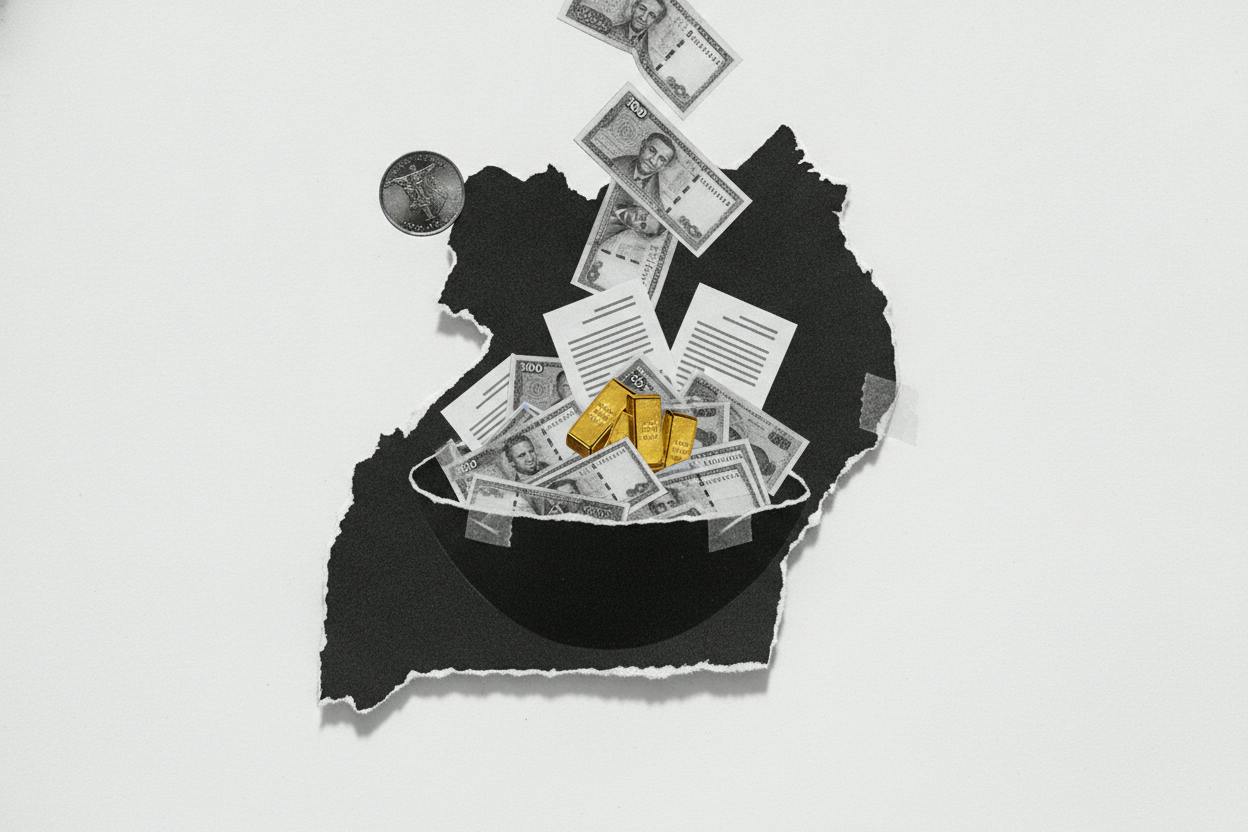
Uganda's central bank reported a 56% surge in foreign-exchange reserves to $6.7 billion for the year ending June, a rare bright spot even as the national currency, the shilling, continues to slide to record lows. The increase, driven largely by higher gold purchases and favorable commodity prices, gives the East African nation a larger buffer against external shocks.
However, the Bank of Uganda has signaled it will not directly intervene to prop up the shilling, choosing instead to build reserves and diversify into gold. This approach reflects a broader trend among emerging-market central banks, which are increasingly turning to gold as a hedge against currency volatility and geopolitical risk.
Why reserves are rising while the shilling falls
Foreign-exchange reserves are assets held by a central bank in foreign currencies, gold, and other international instruments. They act as a safety net, helping a country pay for imports, service debt, and defend its currency during times of stress. A 56% jump to $6.7 billion is significant for Uganda, roughly covering several months of imports.
The rise is partly due to the central bank's active strategy of buying gold, which has seen prices climb globally. In addition, Uganda benefits from higher export earnings, particularly from gold and agricultural commodities, which boost the country's dollar inflows.
Yet the shilling's weakness persists, driven by strong demand for dollars from importers, especially for fuel and machinery, and by foreign investors pulling money out of local markets. The central bank's decision to avoid direct support—such as selling dollars to buy shillings—means the currency is left to find its own level, which can be painful for consumers and businesses that rely on imports.
What this means for investors
For everyday investors, the rising reserves are a positive sign of economic resilience. A larger reserve cushion can reduce the risk of a sudden balance-of-payments crisis and may help keep inflation in check, as the central bank has more room to manage the exchange rate without depleting its war chest.
However, the shilling's slide has real consequences. Imported goods become more expensive, which can push up inflation and erode purchasing power. Companies that borrow in dollars or rely on imported inputs may see their costs rise, potentially squeezing profit margins. On the other hand, exporters, such as coffee and gold producers, benefit from a weaker currency because their earnings in dollars convert to more shillings.
The central bank's preference for gold over direct currency intervention is notable. Gold is a tangible asset that doesn't depend on any single country's monetary policy, making it an attractive reserve component. This strategy mirrors actions by other central banks, including China's central bank, which has been buying gold for 23 straight months as prices dip. For Uganda, gold purchases also support the domestic mining sector and could reduce reliance on volatile Western currencies.
Still, avoiding direct shilling support carries risks. If the currency depreciates too rapidly, it could fuel inflation and capital flight. The central bank may eventually be forced to step in, but for now it appears willing to let the market determine the exchange rate.
Broader emerging-market context
Uganda's situation is not unique. Many emerging-market economies are grappling with currency depreciation as the U.S. dollar strengthens and global interest rates remain elevated. Central banks across Africa and Asia are building reserves and diversifying into gold to protect themselves. For instance, India's central bank has raised the cost of betting against the rupee, a different approach to defending its currency.
In contrast, Uganda's hands-off stance is a bet that time and reserve accumulation will eventually stabilize the shilling. The central bank's governor has emphasized that direct intervention is costly and often ineffective in the long run, a view shared by many economists.
What to watch next
Investors should monitor Uganda's inflation data, which could be pressured by the weak shilling. Also watch for any signs that the central bank might change its policy if the currency slide accelerates. The continued buildup of gold reserves is another key indicator, as it signals confidence in the country's external position.
For now, the jump in reserves is a reassuring headline, but the shilling's slide remains a concern for those who earn or spend in local currency. The central bank's strategy of buying gold while avoiding direct support is a calculated gamble—one that could pay off if global gold prices stay high and the shilling eventually stabilizes.