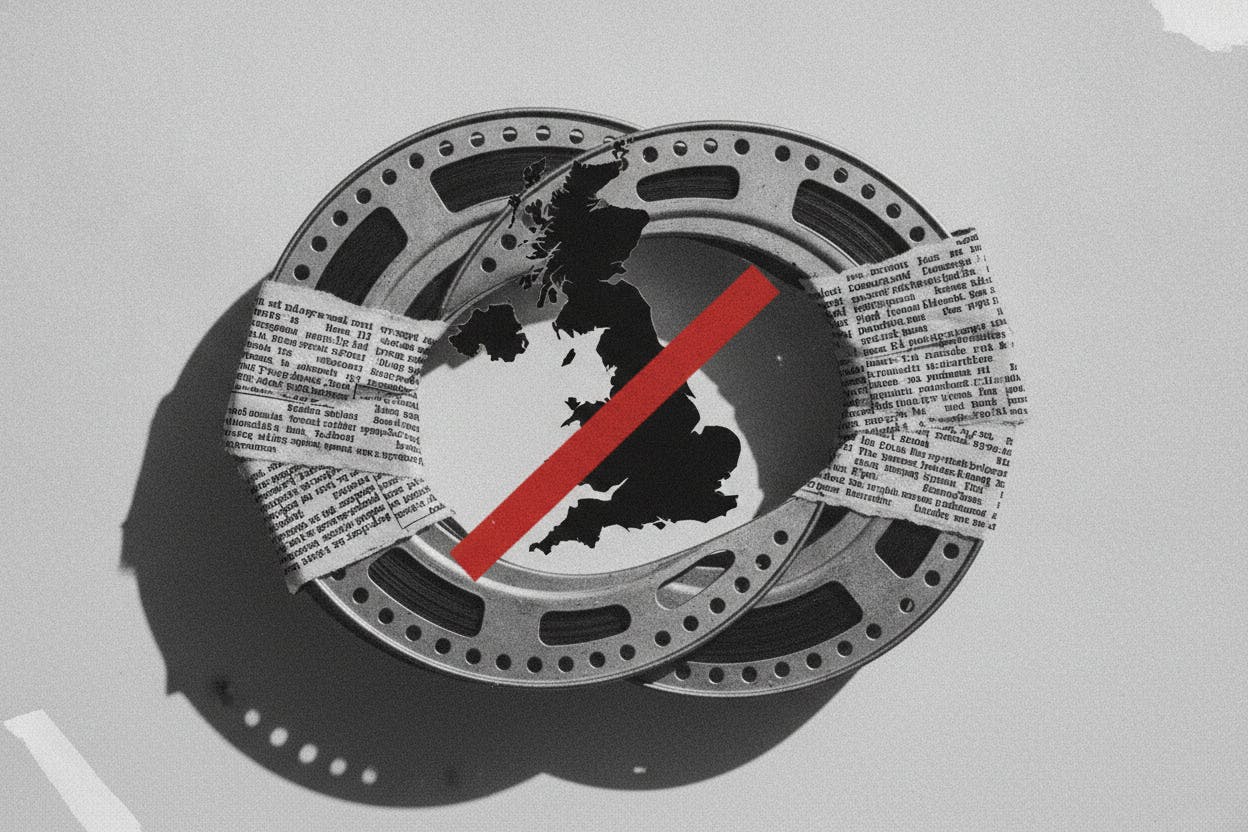
The UK government is considering stepping into the planned $110 billion merger between Paramount, Skydance, and Warner Bros Discovery, a move that could trigger a special public interest review. Culture minister Lisa Nandy has given the companies until July 6 to respond before deciding whether to issue a "public interest intervention notice," according to Reuters.
If issued, such a notice would allow UK regulators, including the Competition and Markets Authority (CMA) and Ofcom, to examine the deal's impact on media plurality and content availability in Britain. The government is not solely focused on competition concerns but is also looking at whether the tie-up could affect media freedom and the availability of on-demand programming.
What Assets Are at Stake?
The companies involved have significant UK-facing assets. Paramount owns Channel 5, one of the UK's major free-to-air broadcasters, while Warner Bros Discovery owns CNN International, which has a substantial presence in the UK. The merger would combine these with Skydance, a production company known for films like "Top Gun: Maverick" and "Mission: Impossible" franchises.
Channel 5 is a key part of the UK's broadcasting landscape, reaching millions of viewers with its mix of drama, documentaries, and entertainment. CNN International provides news coverage to UK audiences. Any changes to ownership or control could raise questions about editorial independence and the diversity of voices in British media.
How the Review Process Works
A public interest intervention notice (PIIN) is a tool the UK government can use to examine mergers that raise concerns beyond pure competition. It allows ministers to ask regulators to assess whether a deal could harm media plurality, quality, or the availability of certain content. The process typically involves a phase 1 review by the CMA, which can then refer the deal for a more in-depth phase 2 investigation if concerns are not resolved.
Nandy's deadline of July 6 gives the companies a chance to make their case before any formal review begins. If she decides to proceed, the deal could face delays or conditions, such as requiring the companies to maintain certain programming commitments or editorial safeguards.
What This Means for Investors
For investors in Paramount, Skydance, or Warner Bros Discovery, the UK's potential intervention adds another layer of regulatory uncertainty to an already complex deal. The merger is already facing scrutiny in other jurisdictions, and any UK review could delay closing or force concessions that affect the deal's financial terms.
Media mergers often attract government attention because of their potential impact on public discourse. The UK has a history of intervening in such deals, including the 2018 review of Fox's bid for Sky, which led to conditions on editorial independence. Investors should watch for any signs that the UK government is leaning toward a full investigation, as that could signal longer timelines or additional costs.
Broader market context: The media landscape is undergoing rapid consolidation as streaming services reshape how audiences consume content. Companies like Comcast are also making big moves, such as the recent spin-off of NBCUniversal and Sky, creating two public companies. This trend toward larger, more integrated media groups is driving deals like the Paramount-Skydance-Warner merger, but it also invites closer regulatory scrutiny.
For everyday investors, the key takeaway is that regulatory risk is a real factor in media stocks. Even if a deal makes strategic sense, government reviews can create uncertainty that weighs on share prices. It's worth keeping an eye on how the UK proceeds, as any conditions imposed could set a precedent for future media mergers.
The pound has also been under pressure recently, steadying near a 7-month low amid political uncertainty. A stronger or weaker pound can affect the value of UK-based assets for foreign buyers, adding another variable to the deal's calculus.
What Happens Next?
The July 6 deadline is the next key date. If Nandy decides to issue a PIIN, the CMA and Ofcom will begin their reviews, which could take several months. The companies may also offer voluntary commitments to address concerns, such as guaranteeing the independence of Channel 5's news operations or maintaining a certain level of UK-produced content.
Investors should also watch for any statements from the companies about how they plan to respond. If they signal a willingness to negotiate with UK regulators, that could reduce the risk of a protracted battle. Conversely, if they push back hard, the process could become more contentious.
Ultimately, the UK's intervention is a reminder that big media deals don't just face antitrust hurdles—they also face public interest tests that can be harder to predict. For now, the ball is in the companies' court, and the clock is ticking.