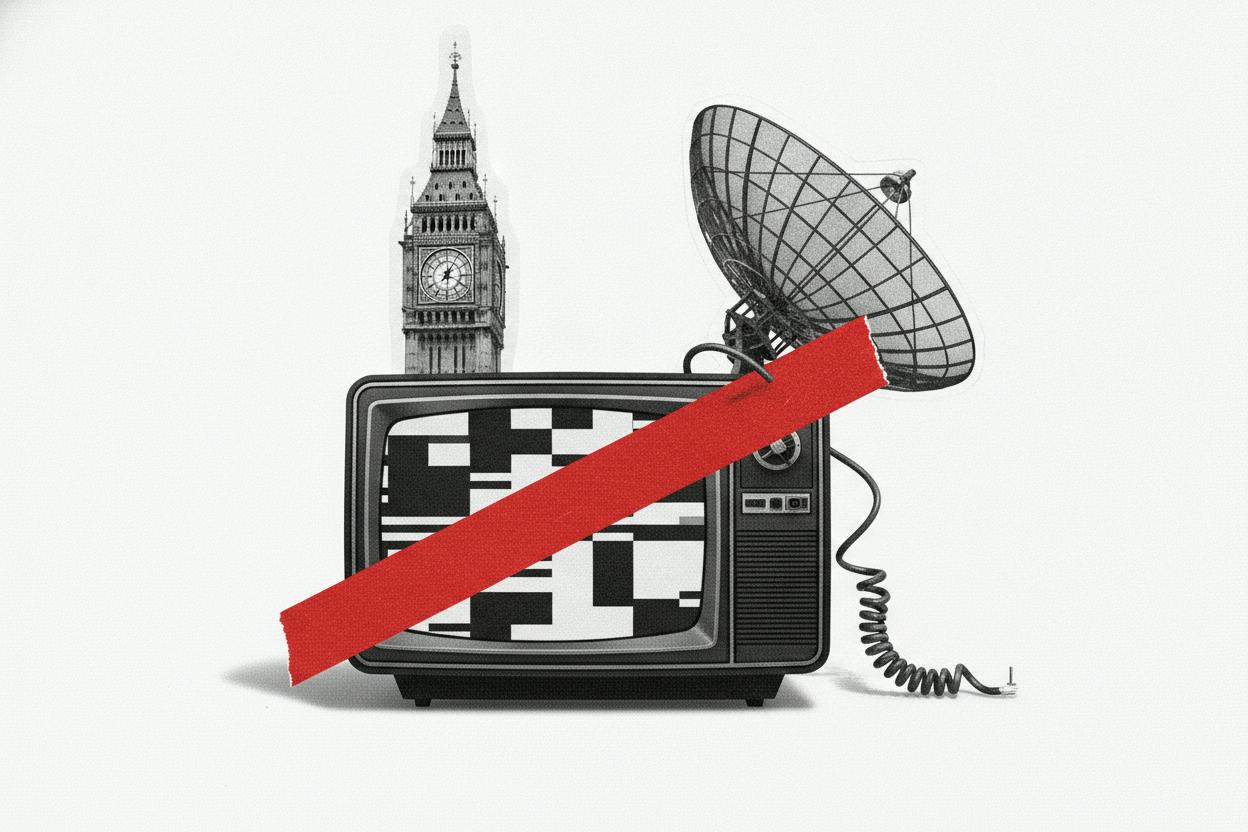
UK culture minister Lisa Nandy has indicated she may intervene in Sky's £1.6 billion acquisition of ITV's broadcast channels and streaming service, citing concerns about news diversity and the concentration of media control. The move could trigger a formal public interest review of the deal, which was agreed in July.
Nandy has given Sky and ITV until October 20 to respond to her concerns, according to the source brief. The minister said she is 'minded to' intervene, a step that would allow the government to examine the transaction more closely than a standard competition review.
What's at stake in the deal
Sky, owned by US media giant Comcast, agreed to buy ITV's broadcast business, which includes major entertainment brands as well as national and regional news operations. The deal would give Sky control over a significant slice of the UK's free-to-air television landscape, including ITV's newsgathering capabilities.
For everyday viewers, ITV is one of the most recognisable names in British broadcasting, known for popular shows and its role as a major provider of news. The sale would separate ITV's broadcast arm from its larger production and streaming operations, reshaping the company's structure.
Nandy's concerns centre on 'media plurality' – a term that refers to the number of independent voices in a country's media market. When one company controls too many outlets, the argument goes, it can limit the range of perspectives available to the public. The minister also flagged worries about programming standards, which could include obligations around impartiality and quality.
How a public interest review works
Under UK law, the government can intervene in media mergers on public interest grounds, even if the deal would not raise traditional competition issues like higher prices or reduced choice. This route focuses on whether the transaction would harm the diversity of news and opinion, or undermine the standards that broadcasters are expected to meet.
If Nandy formally intervenes, the Competition and Markets Authority (CMA) would likely be asked to investigate and report on the public interest concerns. The final decision would rest with the culture secretary, who could clear the deal, impose conditions, or block it entirely.
This is not the first time a UK government has scrutinised a media deal on these grounds. Past interventions have involved major broadcasters and newspaper groups, reflecting a long-standing policy of protecting media plurality as a key part of democratic life.
What it means for investors
For investors, the main uncertainty is timing and outcome. A public interest review could delay the deal's completion by several months, and there is a risk that conditions could be attached – for example, requiring Sky to divest part of ITV's news operations or to commit to certain editorial safeguards.
ITV shareholders, who approved the sale earlier this year, are likely watching closely. The £1.6 billion price tag represents a significant premium for the broadcast business, and any delay or renegotiation could affect the value they ultimately receive. Sky, meanwhile, is betting that owning ITV's channels and news will strengthen its position in the UK market, where it already operates a major pay-TV platform and broadband service.
The broader backdrop is one of consolidation in global media, as streaming giants and traditional broadcasters jostle for scale. Similar deals have drawn scrutiny in other countries, reflecting a wider debate about the power of a few large companies over what people watch and read. For context, other large M&A moves are also making headlines, such as Richemont's reported interest in a De Beers bid and Fairfax's planned purchase of a majority stake in India's IDBI Bank.
For ordinary investors, the key takeaway is that regulatory risk is a real factor in media deals. Even when a transaction makes commercial sense, government intervention can change the calculus. That's why it's important to watch for updates from the CMA and the culture department in the coming weeks.
Nandy's October 20 deadline is the next milestone. If she decides to intervene, the deal will enter a new phase of scrutiny, and both Sky and ITV will have to make their case for why the transaction should proceed. Until then, investors are left with a degree of uncertainty – a common feature of any deal that touches on the public interest.