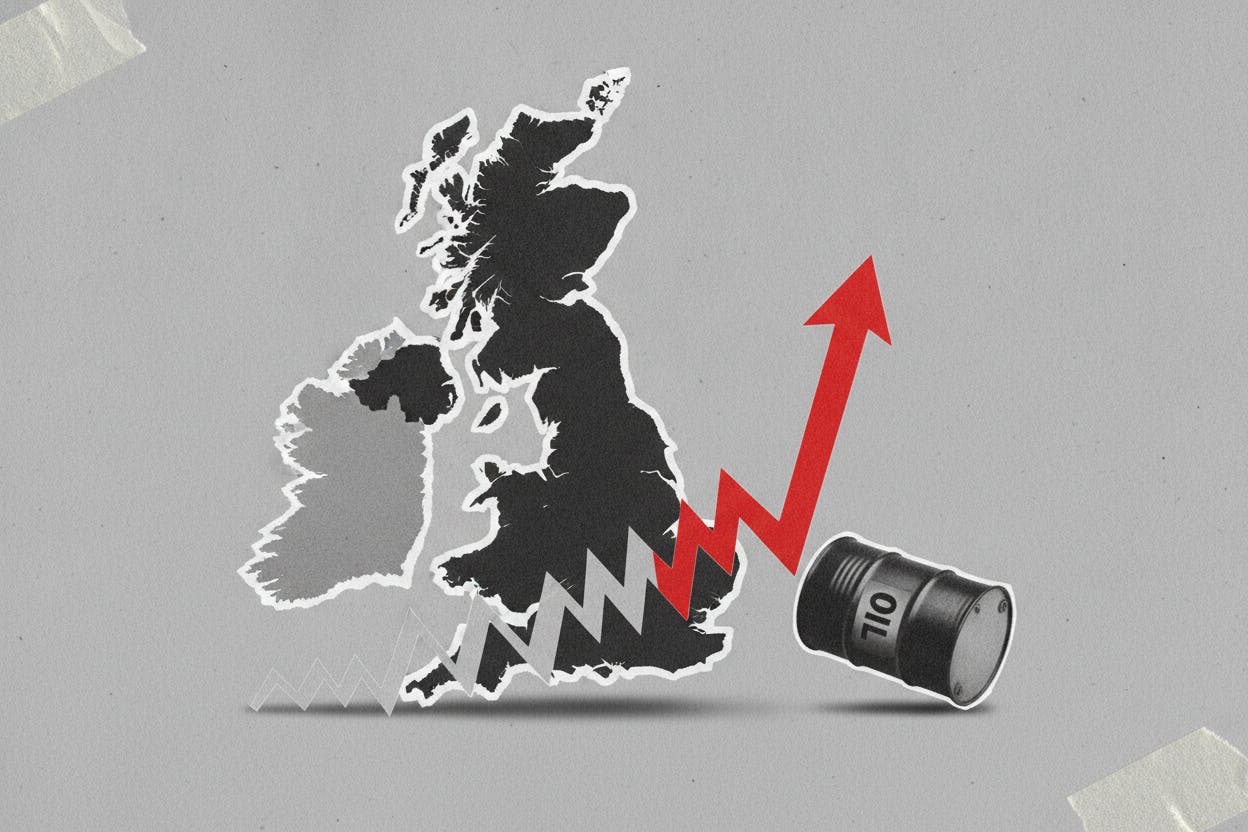
UK stocks slipped on Tuesday as a fresh surge in government bond yields and oil prices near $95 a barrel reignited worries about inflation and higher interest rates. The FTSE 250, which tracks mid-sized British companies, fell to its lowest level since August 4th, while the broader FTSE 100 also struggled.
The move comes as the yield on 10-year UK government bonds, known as gilts, climbed to its highest level in 18 years. That jump is part of a global sell-off in bonds that has pushed borrowing costs sharply higher across major economies.
Why are gilt yields rising?
Gilt yields rise when bond prices fall. Investors have been selling government bonds for several reasons, but the biggest driver is the expectation that central banks will keep interest rates higher for longer to fight inflation.
The UK has been particularly sensitive to this trend. The 10-year gilt yield has not been this high since June 2008, just before the global financial crisis. Higher yields mean the government must pay more to borrow, which can strain public finances and put pressure on the economy.
This is not just a UK story. Global bond markets have been selling off, lifting borrowing costs to multi-year highs in the US, Europe and elsewhere. German yields, for example, recently hit their highest level since 2011.
Oil adds to the inflation mix
Adding to the pressure, oil prices are hovering near $95 a barrel after fresh US strikes on Iran raised fears of supply disruptions. Higher energy costs feed directly into inflation, as they raise the price of petrol, heating and many goods.
For investors, the combination of high bond yields and expensive oil is uncomfortable. It suggests that inflation may stay stickier than hoped, which could force central banks to keep interest rates elevated for longer. That tends to hurt stocks, especially those in sectors that are sensitive to borrowing costs, like housing and consumer goods.
The FTSE 250, which is more domestically focused than the blue-chip FTSE 100, is often seen as a barometer of UK economic health. Its slide to a multi-week low reflects growing concern about the outlook for British businesses and consumers.
What it means for investors
For everyday investors, the key takeaway is that the era of cheap money is firmly over. Higher gilt yields translate into higher mortgage rates and borrowing costs for companies, which can squeeze profits and slow economic growth.
If you hold bonds or bond funds, rising yields mean falling prices in the short term. But for those with cash, higher yields also mean better returns on savings accounts and money market funds. It's a mixed picture.
For stock investors, the environment is more challenging. Companies with high debt levels or those that rely on borrowing to grow are more vulnerable. On the other hand, some sectors, like energy, may benefit from higher oil prices.
It's also worth noting that European stocks have stalled under similar pressures, and Chinese markets have also slid as global bond yields climb. This is a worldwide phenomenon, not just a UK problem.
What to watch next
Investors will be closely watching the next moves from the Bank of England and the US Federal Reserve. Any hints that rates will stay higher for longer could extend the sell-off in bonds and keep pressure on stocks.
Oil prices will also be in focus. If tensions in the Middle East escalate further, crude could push above $100, which would add even more fuel to inflation. Conversely, any de-escalation could ease some of the pressure.
For now, the message from the markets is clear: inflation is not yet defeated, and the cost of borrowing is rising. That's a reality that investors will have to navigate for the foreseeable future.



