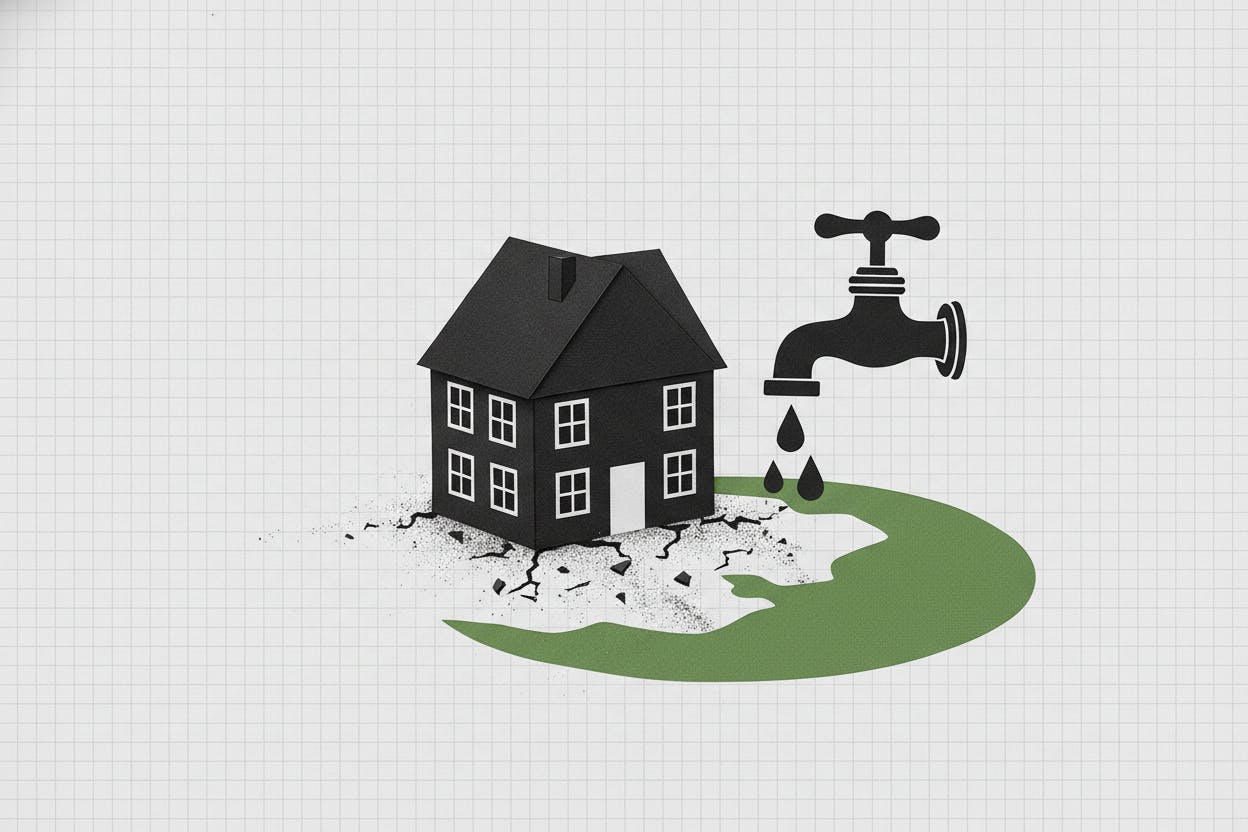
UK stocks started the day on a cautious note, with FTSE 100 futures pointing 0.2% lower, as England's drought expanded to cover nearly three-quarters of the country. The dry spell is not just a weather story—it's an economic one, with potential knock-on effects for food prices, utility costs, and the broader inflation picture.
Drought's economic ripple effects
When drought takes hold, the first casualties are often farms. Crops need water, and when it doesn't come from the sky, farmers have to pay for irrigation, which can be costly and sometimes restricted. Livestock farmers face higher feed costs as pastures dry up. These pressures tend to feed into the prices consumers pay at the supermarket, particularly for fresh produce, meat, and dairy.
Utilities also feel the strain. Water companies may need to invest more in securing supplies, treating water, and fixing leaks, which can lead to higher bills down the line. While these costs might not show up immediately, they can add to the 'essentials' inflation that households find hardest to avoid.
The fact that consumer spending remains focused on food and pubs suggests that people are still prioritising necessities and everyday socialising over bigger-ticket purchases. That pattern is typical when confidence is shaky, and it can weigh on sectors like retail and housing.
What it means for investors
For investors, the drought is a reminder that inflation can come from unexpected places. Even as the Bank of England has been trying to bring price growth back to its 2% target, a supply-side shock like a drought can keep food prices elevated, making the central bank's job harder. If inflation stays sticky, interest rates may need to stay higher for longer, which tends to be a headwind for stocks, especially growth-oriented companies.
The FTSE 100, with its heavy weighting in energy, mining, and financials, is often seen as a barometer of global sentiment. A slip of 0.2% is modest, but it signals that traders are not in a risk-on mood. The index's defensive qualities—many of its members are large, cash-generative multinationals—could offer some cushion, but the drought adds to a list of concerns that includes rising oil prices and higher bond yields.
Broader market context
The UK is not alone in facing weather-related economic stress. Elsewhere, investors are watching foreign investors pulling money from Asian stocks and central banks like the RBA holding rates steady while keeping the door open for more hikes. These global currents can influence UK markets, especially through currency moves and commodity prices.
For everyday investors, the key takeaway is that droughts, like other natural events, can have a real impact on portfolios. They can push up the cost of living, which affects consumer spending and corporate profits. They can also influence central bank policy, which in turn affects bond prices and stock valuations.
It's not a reason to panic, but it is a reason to stay diversified. Companies with pricing power—those that can pass on higher costs to customers—may be better positioned than those in more competitive sectors. Utilities, despite the cost pressures, are often seen as defensive havens because demand for water and electricity is relatively stable.
Looking ahead
Investors will be watching for any official statements from the UK government or the Environment Agency about drought restrictions, as well as updates from major food producers and retailers on how they are managing supply. Any signs that food inflation is accelerating could prompt a reassessment of interest rate expectations.
For now, the market's reaction is muted, but the drought is a developing story. If it persists, the economic costs could mount, and the FTSE 100's slip could turn into a more sustained decline. As always, keeping an eye on the fundamentals—earnings, cash flow, and balance sheets—is more useful than reacting to daily headlines.
"Drought is a slow-burning economic event," says one market strategist. "It doesn't hit like a crash, but it grinds away at margins and household budgets."
In the meantime, the pub trade—a staple of British life—remains resilient, as consumers continue to spend on small pleasures even as they tighten belts elsewhere. That resilience is a small comfort, but it doesn't change the underlying challenges that a drier future may bring.