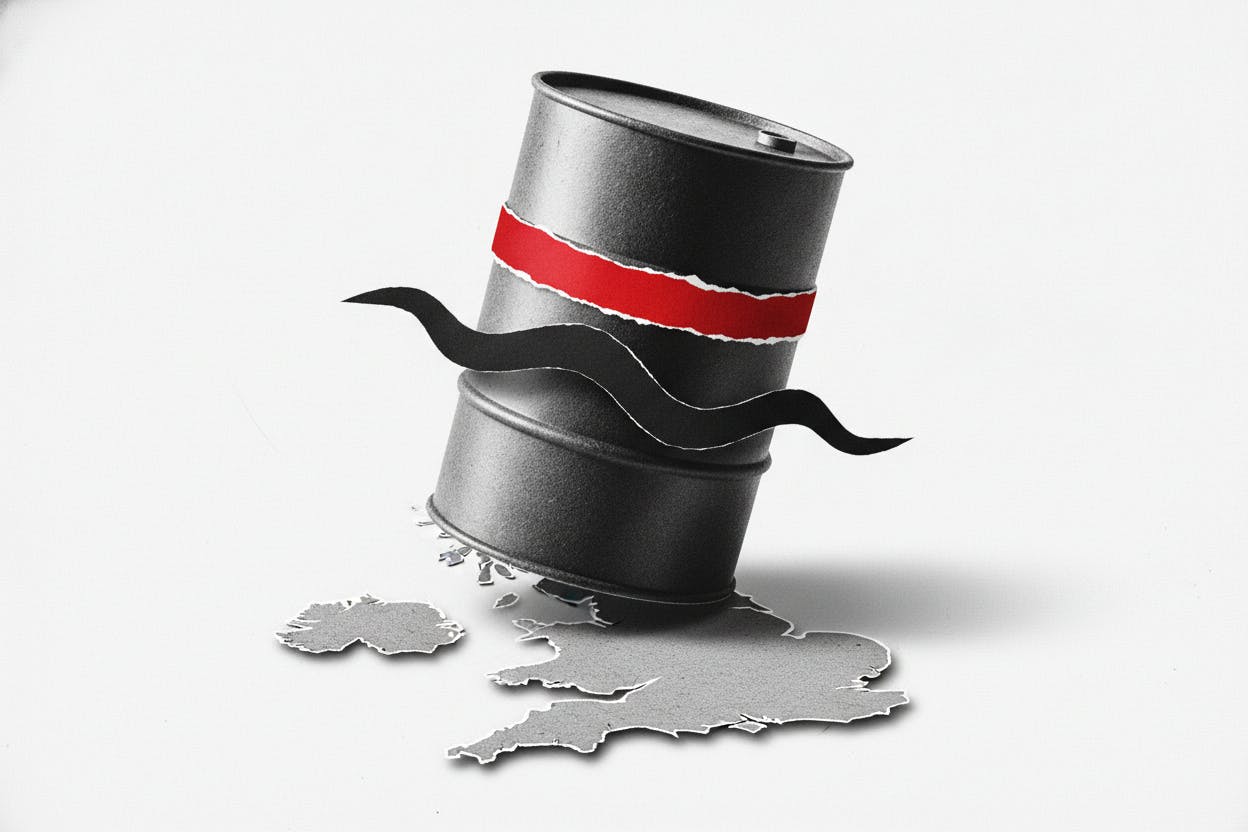
UK stocks took a hit on Monday as oil prices surged past $90 a barrel following a fresh escalation in US-Iran hostilities that disrupted shipments through the Strait of Hormuz. FTSE 100 futures dropped 0.4%, while Brent crude climbed roughly 3%, reflecting growing fears that the key waterway could become a flashpoint for broader conflict.
What's behind the move?
The Strait of Hormuz is a narrow channel between the Persian Gulf and the Gulf of Oman, through which about 20% of the world's oil passes. Any disruption there can quickly push up global crude prices, as traders price in the risk of supply shortages. This time, the trigger was renewed military action between the US and Iran, which led to restrictions on tanker movements through the strait.
Brent crude, the international benchmark, rose to above $90 a barrel for the first time in weeks. That jump rippled through UK markets, where energy-heavy sectors like oil and gas producers often benefit from higher prices, but broader indices like the FTSE 100 tend to suffer as higher energy costs weigh on corporate profits and consumer spending.
For context, the FTSE 100 includes many multinational companies that earn revenue in dollars, so a rising oil price can also strengthen the pound, which further pressures the index. But the immediate concern is the impact on inflation and the economy.
Why oil prices matter for everyday investors
Oil is a fast way for geopolitics to show up in the economy. If fewer barrels can move through Hormuz, crude prices rise, and that filters into gasoline, transport, and companies’ input costs, which can lift near-term inflation readings and what people expect inflation will be. Higher inflation typically leads central banks to keep interest rates higher for longer, which can slow economic growth and hurt stock valuations.
For UK investors, the ripple effects are especially pronounced. The UK is a net importer of oil, so higher prices can widen the trade deficit and put pressure on the pound. At the same time, energy-intensive industries like airlines, logistics, and manufacturing face higher costs, which can squeeze margins and lead to lower earnings.
On the flip side, energy producers like BP and Shell, which are heavily weighted in the FTSE 100, often see their shares rise when oil prices climb. That can provide a partial offset to the broader market decline, but it's rarely enough to fully cushion the blow.
What investors are watching next
Market participants are closely monitoring diplomatic efforts to de-escalate the situation, as well as any further military developments. The key question is whether the restrictions on Hormuz shipping are temporary or could become prolonged. A quick resolution would likely see oil prices retreat, easing pressure on stocks. But if tensions persist, the risk of a sustained oil price spike could weigh on markets for weeks.
Investors are also watching how other assets react. Historically, geopolitical shocks that push oil above $90 have led to a flight to safe havens like gold and government bonds, while riskier assets like equities and high-yield bonds tend to sell off. The US dollar often strengthens in such scenarios, which can further pressure emerging market currencies and stocks.
For UK investors, the immediate takeaway is that the FTSE 100's decline reflects a broader reassessment of risk. While energy stocks may provide some buffer, the overall market is pricing in the potential for higher inflation and slower growth. As always, diversification across sectors and geographies can help manage such shocks, but no portfolio is immune when a key global chokepoint comes under threat.
For more on how oil price moves affect markets, see our coverage of Brent Crude Tops $90 as Strait of Hormuz Tensions Rattle UK Markets and Palm Oil Futures Jump as Brent Crude Surges Past $90 on Strait of Hormuz Tensions.