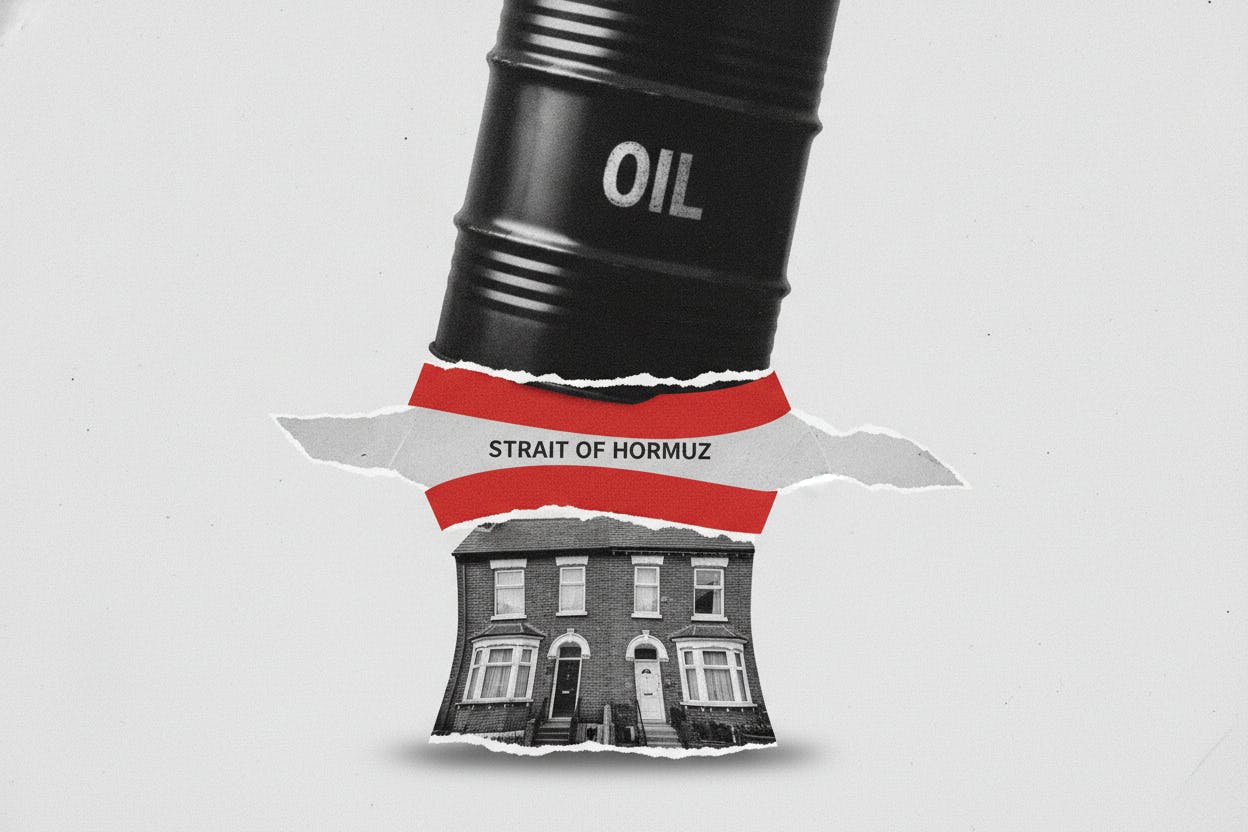
Brent crude oil climbed 2% above $90 a barrel on Thursday, as escalating tensions between the US and Iran disrupted shipments through the critical Strait of Hormuz. The move set a cautious tone for UK markets, where investors are already grappling with a sharp drop in house asking prices.
Oil Prices Surge on Supply Fears
The Strait of Hormuz is a narrow waterway between the Persian Gulf and the Gulf of Oman, through which about 20% of the world's oil passes. Any disruption there can quickly push up global crude prices. The latest spike follows reports of increased US naval activity and Iranian threats to restrict shipping, reviving fears of a broader conflict in the region.
Brent crude, the international benchmark, has now risen more than 10% over the past month, with earlier gains driven by tightening diesel margins and supply concerns. The jump above $90 is a psychological milestone that often triggers broader market reactions.
What Higher Oil Means for Inflation and Interest Rates
Oil is a key input into inflation because it affects the cost of fuel, transport, and many everyday goods. When crude rises on supply worries rather than stronger demand, investors become more sensitive to the risk that inflation stays 'sticky' and that central banks keep interest rates high for longer.
Higher oil prices can also weigh on consumer spending, as households pay more at the pump and for heating. For UK investors, this is particularly relevant given the Bank of England's ongoing battle to bring inflation back to its 2% target. Similar concerns have already rattled Asian markets, where the AI rally has been threatened by the prospect of higher rates.
UK House Prices Drop Sharply
Adding to the cautious mood, UK house asking prices fell sharply in the four weeks to July 11, according to data from property website Rightmove. The decline suggests that higher mortgage rates and broader economic uncertainty are cooling the housing market, which had remained surprisingly resilient through much of 2023.
Falling house prices can affect consumer confidence and spending, as homeowners feel less wealthy. It also signals that the Bank of England's rate hikes are finally filtering through to the real economy, which could slow growth further.
What It Means for Investors
For everyday investors, the combination of rising oil prices and falling house prices creates a tricky backdrop. Higher oil can push up inflation, making it harder for the Bank of England to cut interest rates. That, in turn, keeps mortgage costs elevated and could weigh on stock markets, particularly sectors like retail and housing.
Energy stocks often benefit from higher crude prices, but the broader market may struggle. Gold has already slipped as the oil surge reignites rate hike fears, and safe-haven currencies like the dollar have edged up. Investors should watch for further volatility in the coming days, especially if Middle East tensions escalate.
The key question is whether the oil spike is temporary or sustained. If supply disruptions persist, inflation could remain stubborn, delaying rate cuts and keeping pressure on both bonds and equities. For now, the market is pricing in a higher risk premium, and caution is the watchword.
Looking Ahead
All eyes will be on any diplomatic developments in the Middle East, as well as upcoming economic data from the UK and US. The Bank of England's next rate decision is also on the horizon, and the oil price move could influence its thinking.
Investors should also keep an eye on the impact on emerging markets, where higher oil prices can strain trade balances and bond yields. For now, the message from the markets is clear: oil above $90 changes the calculus for central banks and investors alike.