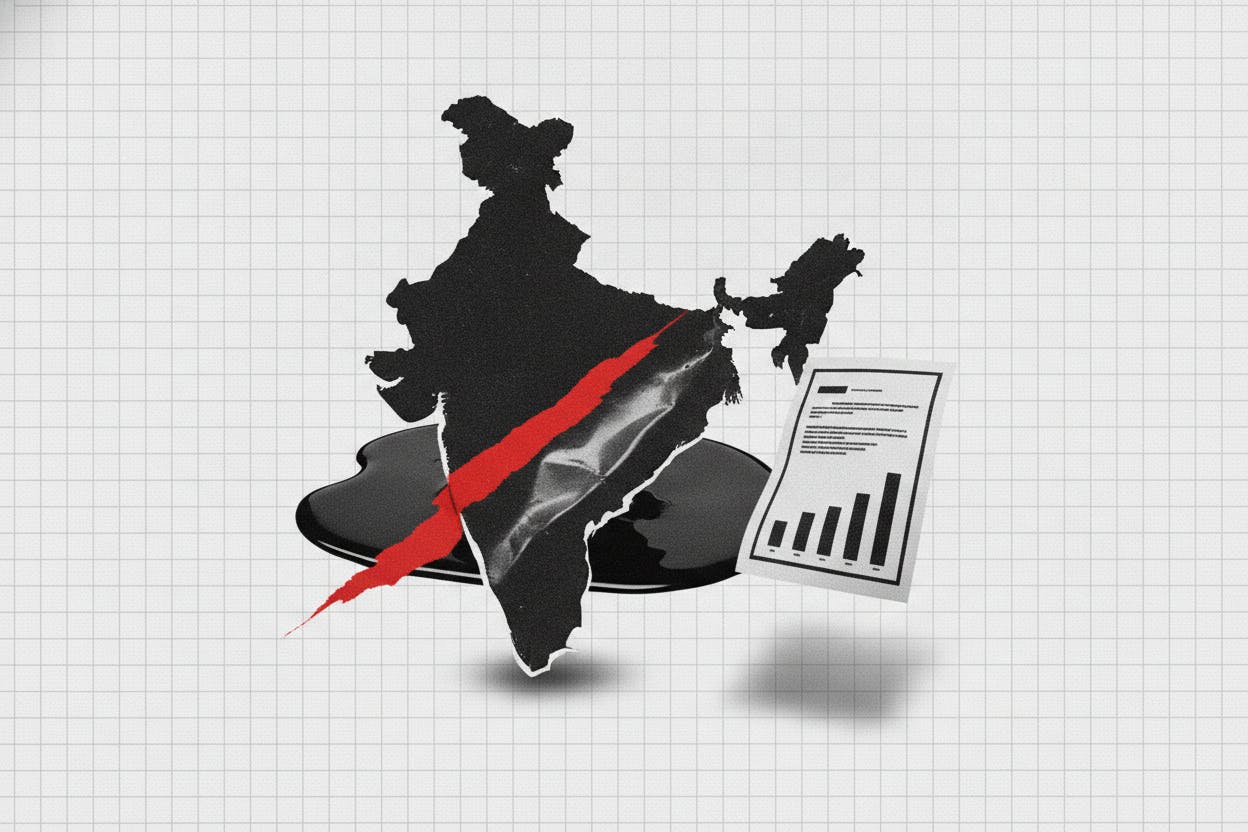
Oil's climb above $90 a barrel, driven by escalating US-Iran tensions, is creating fresh headwinds for India's bond market. The move is also weighing on the rupee, adding to the challenges for a country that imports most of its crude oil.
Indian government bonds, which had been rallying on expectations of index inclusion and steady foreign inflows, are now facing renewed selling pressure. The benchmark 10-year bond yield has edged higher as traders factor in the potential impact of higher oil prices on inflation and the fiscal deficit.
Why Oil Matters for Indian Bonds
India is the world's third-largest oil consumer and imports over 80% of its crude oil needs. When oil prices rise, it increases the country's import bill, widens the trade deficit, and puts downward pressure on the rupee. A weaker rupee makes imports even more expensive, creating a feedback loop that can stoke inflation.
Higher inflation, in turn, reduces the likelihood that the Reserve Bank of India (RBI) will cut interest rates anytime soon. That's a key reason bond traders are nervous: if the central bank keeps rates higher for longer, bond prices fall and yields rise.
The situation is reminiscent of earlier episodes when oil spikes triggered bond selloffs in India. The current move above $90 is particularly notable because it comes at a time when global markets are already on edge about inflation and interest rates. As we reported in Oil Above $90 Rattles Asian Markets as AI Rally Faces Higher Rate Threat, the broader impact is being felt across the region.
The Rupee Under Pressure
The Indian rupee has also come under pressure as oil prices rise. A higher crude bill means more dollars are needed to pay for imports, which weakens the local currency. The RBI has been intervening in the forex market to smooth volatility, but sustained oil strength could test its resolve.
A weaker rupee is a double-edged sword for bond investors. On one hand, it makes Indian bonds less attractive to foreign investors who worry about currency depreciation eating into their returns. On the other hand, the RBI's likely response—selling dollars to support the rupee—drains liquidity from the banking system, which can push bond yields higher.
Awaiting the Bloomberg Decision
Adding to the uncertainty, traders are still waiting for Bloomberg to confirm whether Indian government bonds will be included in its widely-tracked global aggregate index. Inclusion would trigger billions of dollars in passive inflows from funds that track the index, providing a significant boost to the bond market.
The decision has been highly anticipated for months, and many market participants had expected an announcement by now. The delay is keeping some investors on the sidelines, even as others position for a positive outcome. The oil price spike adds another layer of complexity, as higher yields could make Indian bonds more attractive on a relative basis, but only if the currency remains stable.
For context, index inclusion has been a major driver of foreign portfolio flows into Indian bonds over the past year. The government has also taken steps to make the market more accessible, including easing restrictions on foreign ownership. If Bloomberg gives the green light, it would be a significant milestone for India's capital markets.
What It Means for Investors
For everyday investors, the key takeaway is that oil prices remain a critical variable for Indian markets. Higher crude can feed into inflation, keep interest rates elevated, and weaken the rupee—all of which affect bond returns and the broader economy.
Bond investors should watch for any signs that the RBI might shift its stance. If oil stays above $90 for an extended period, the central bank may be forced to revise its inflation forecasts, delaying any rate cuts. That would keep bond yields elevated and could lead to capital losses for those holding longer-duration bonds.
For equity investors, the impact is more nuanced. Sectors like oil marketing companies, airlines, and auto manufacturers are directly affected by higher fuel costs. On the other hand, IT and pharma companies, which earn a significant portion of their revenue in dollars, could benefit from a weaker rupee.
The broader message is that geopolitical tensions in the Middle East are having ripple effects far beyond the oil market. As we noted in Latin American Markets Slide as Iran Tensions Push Oil to One-Month High, the impact is being felt across emerging markets. And as Gold Slips as Oil Above $90 Reignites Rate Hike Fears shows, even safe-haven assets are not immune to the shifting rate outlook.
In the coming days, all eyes will be on two things: the trajectory of oil prices and any news from Bloomberg on index inclusion. Either could trigger significant moves in Indian bonds and the rupee.



