The UK's Competition and Markets Authority (CMA) is pushing Apple to open up the iPhone's tap-to-pay technology to rival wallet providers. In a move that could reshape how Britons pay with their phones, the regulator has proposed changes to Apple's fees and access rules, and is inviting public comment until November 17.
What is the dispute about?
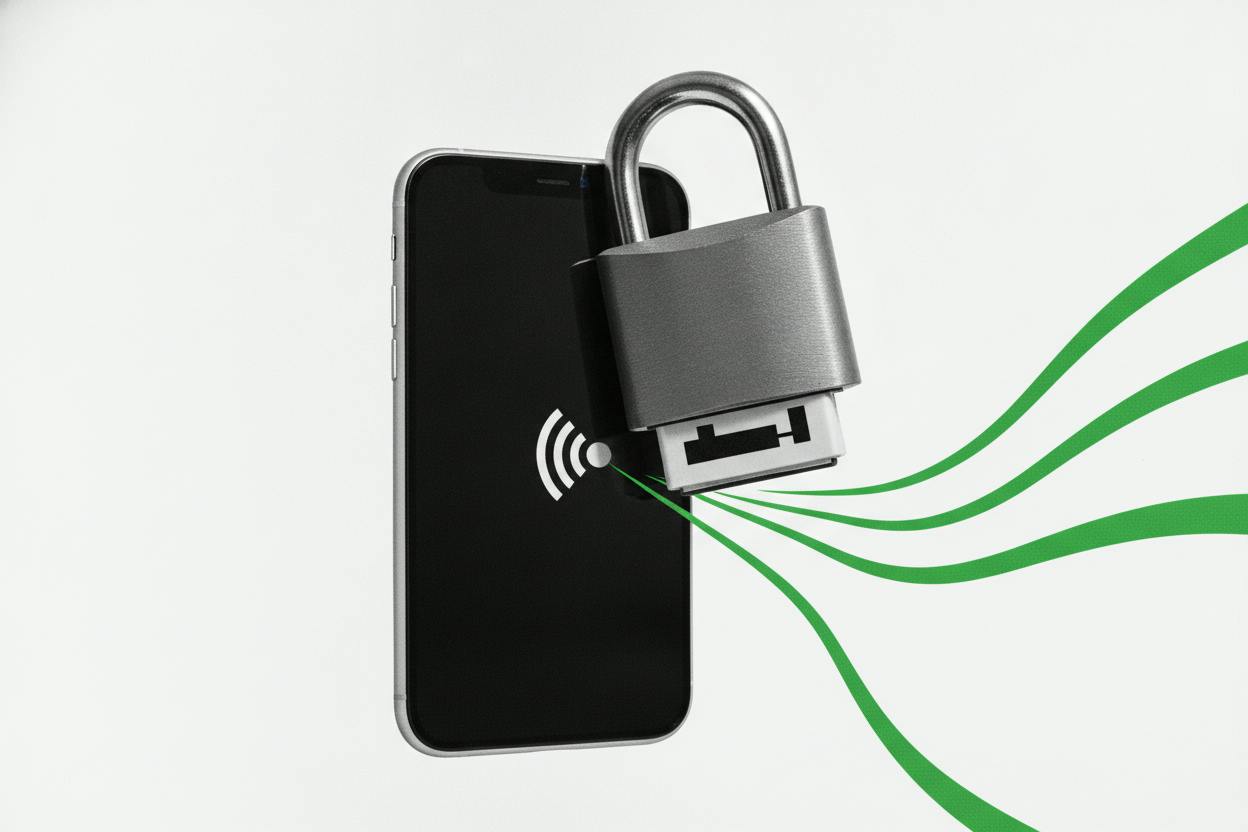
At the heart of the matter is the NFC (near-field communication) chip inside every iPhone. This is the short-range wireless technology that lets your phone communicate with a payment terminal when you tap to pay. Apple controls how third-party apps can use this chip, and the CMA argues that this control is stifling competition.
According to the regulator, Apple's access rules and the fees it charges make it difficult for UK banks and fintech companies to launch digital wallets that work as seamlessly as Apple Pay. As a result, consumers often have no real choice at the checkout—if you use an iPhone, Apple Pay is usually the default and most convenient option.
The CMA's concerns echo those of regulators in other countries. The European Union has also been scrutinising Apple's NFC restrictions, and in 2024 Apple agreed to open its tap-to-pay system to rivals in the EU to settle an antitrust probe. The UK's move suggests similar pressure is building on this side of the Atlantic.
What could change?
The CMA has published a set of proposed remedies and opened a consultation period that runs until November 17. After that, the regulator can decide whether to make these changes legally binding. Possible outcomes include requiring Apple to give third-party wallet apps the same access to the NFC chip that Apple Pay enjoys, and to reduce or restructure the fees it charges.
For everyday iPhone users, this could mean more choice. Instead of being funnelled toward Apple Pay, you might soon be able to use your bank's own app or a third-party wallet with the same tap-and-go convenience. That could also lead to more competitive pricing on payment services, as banks and fintechs would no longer be at a disadvantage.
Apple has previously argued that its control over the NFC chip is about security and user experience. The company has said that opening up the technology could expose users to fraud or degrade the seamless experience it prides itself on. However, regulators have been sceptical, pointing out that Apple's own wallet benefits from being the default option on every iPhone.
What it means for investors
For investors, this is a story about regulatory risk to a major revenue stream. Apple Pay is part of Apple's fast-growing services business, which has become a key driver of the company's valuation. Any forced change to how Apple Pay operates could dent its profitability, though the direct financial impact is likely to be modest in the near term.
More broadly, this is another sign that regulators around the world are taking a tougher line on big tech's control over key digital infrastructure. The UK has already moved to rein in Microsoft's Office and AI bundling, and this latest action shows that mobile payments are firmly in the crosshairs.
For investors in UK banks and fintech companies, the news is more positive. If the CMA's remedies go through, these firms could gain a more level playing field to offer their own wallet services, potentially boosting customer engagement and fee income. However, the timeline is uncertain—consultations and legal challenges can drag on for years.
For now, the key date to watch is November 17, when the consultation closes. After that, the CMA will analyse responses and decide on next steps. If it pushes ahead, Apple could face a legal battle, and UK iPhone users could eventually see a very different payments landscape.
As with any regulatory story, the outcome is far from certain. But for anyone with an iPhone or a stake in the companies involved, this is a development worth following closely.