Under Armour, the Baltimore-based sportswear maker, trimmed its full-year sales forecast on Tuesday after a sharp slowdown in its home market. The company now expects revenue for the fiscal year to decline by a mid-single-digit percentage, a more pessimistic view than its earlier guidance for only a slight dip.
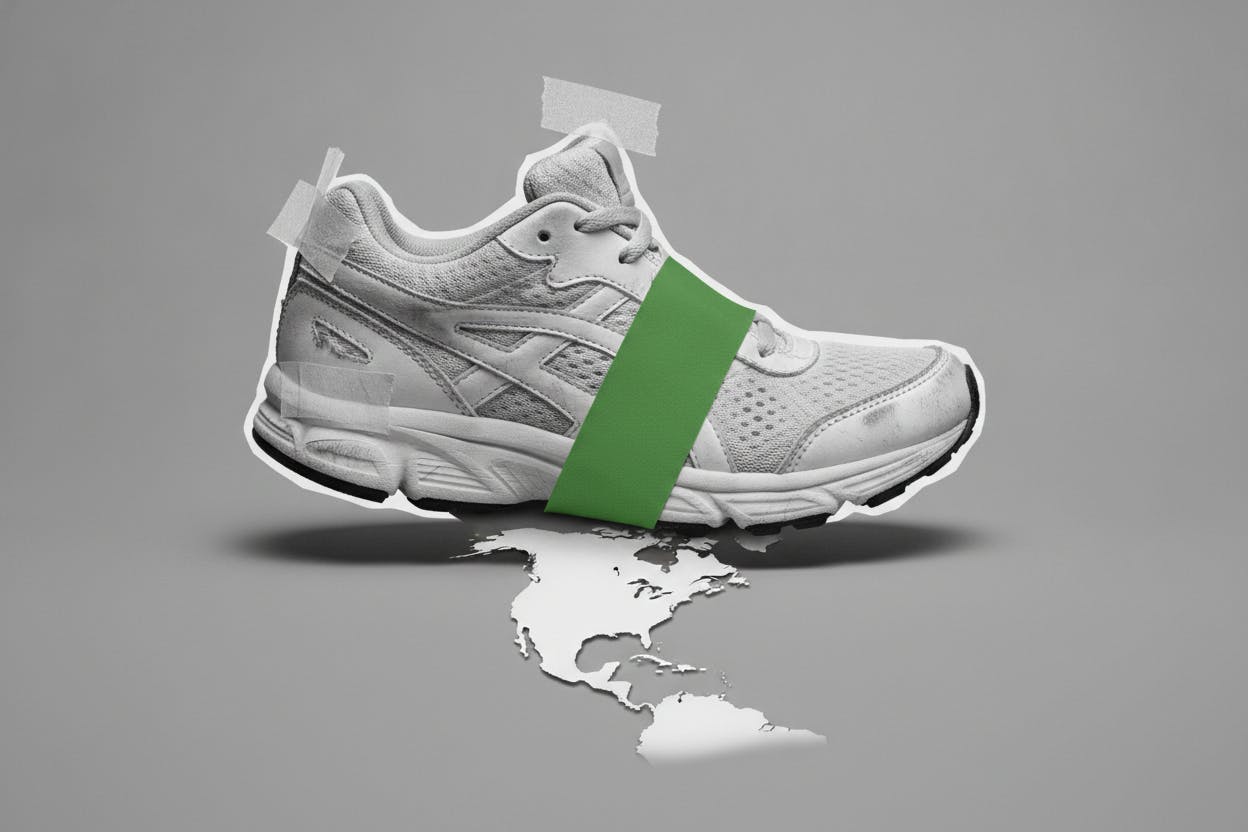
The revised outlook comes as North America—Under Armour's largest region—continues to struggle. Sales in the region fell 9% in the quarter ended June 30, to $609.8 million. That helped drag total revenue down 3% to $1.10 billion, slightly below what analysts had been expecting, according to data compiled by LSEG.
Why the slowdown matters
Under Armour has been working through a turnaround plan aimed at streamlining its product lineup and reducing discounting. The company has also been focusing on improving profitability rather than chasing sales growth. That strategy appears to be paying off on the bottom line: gross margin improved during the quarter, and profits came in ahead of Wall Street's expectations.
But the persistent weakness in North America is a reminder that the brand still faces stiff competition from rivals like Nike and Adidas, as well as newer players in the athletic and lifestyle space. Consumers, particularly in the U.S., have been more cautious with discretionary spending, and sportswear has not been immune to that trend.
For everyday investors, the key takeaway is that Under Armour is prioritizing profit over growth. That can be a sensible approach when demand is soft, but it also means the company is not expecting a quick rebound in sales. The lowered guidance suggests management sees the current environment persisting for the rest of the year.
What it means for investors
When a company cuts its sales outlook, it's usually a sign that demand is weaker than expected. In Under Armour's case, the move highlights the challenges in its most important market. Investors should watch whether the company can maintain its margin improvements while navigating a slower sales environment.
The stock market often reacts negatively to guidance cuts, even when profits beat. That's because revenue growth is a key driver of long-term shareholder value. If sales keep falling, it becomes harder for the company to grow earnings over time, no matter how much it improves efficiency.
Under Armour's experience is not unique. Several consumer brands have recently pointed to softer demand in North America, as higher interest rates and lingering inflation weigh on household budgets. The broader market has been watching these signals closely, especially with key jobs data on the horizon that could shed light on the health of the U.S. consumer.
Looking ahead
Investors will be keen to hear more from Under Armour's management about how they plan to revive growth in North America. The company has been investing in new product launches and marketing, but it may take time for those efforts to show up in sales figures.
For now, the message is clear: Under Armour is bracing for a tougher year. The company's ability to protect its profit margins while managing a sales decline will be the key metric to watch in the coming quarters.
As with any earnings report, it's important to look beyond the headline numbers. The fact that profits beat expectations is a positive, but the lowered revenue guidance is a red flag that demand is still weak. Investors should weigh both sides when assessing the company's prospects.
Under Armour's situation also offers a broader lesson about the sportswear industry: even well-known brands can struggle when consumer spending cools. The company's next earnings report will be a crucial test of whether its turnaround plan is gaining traction.