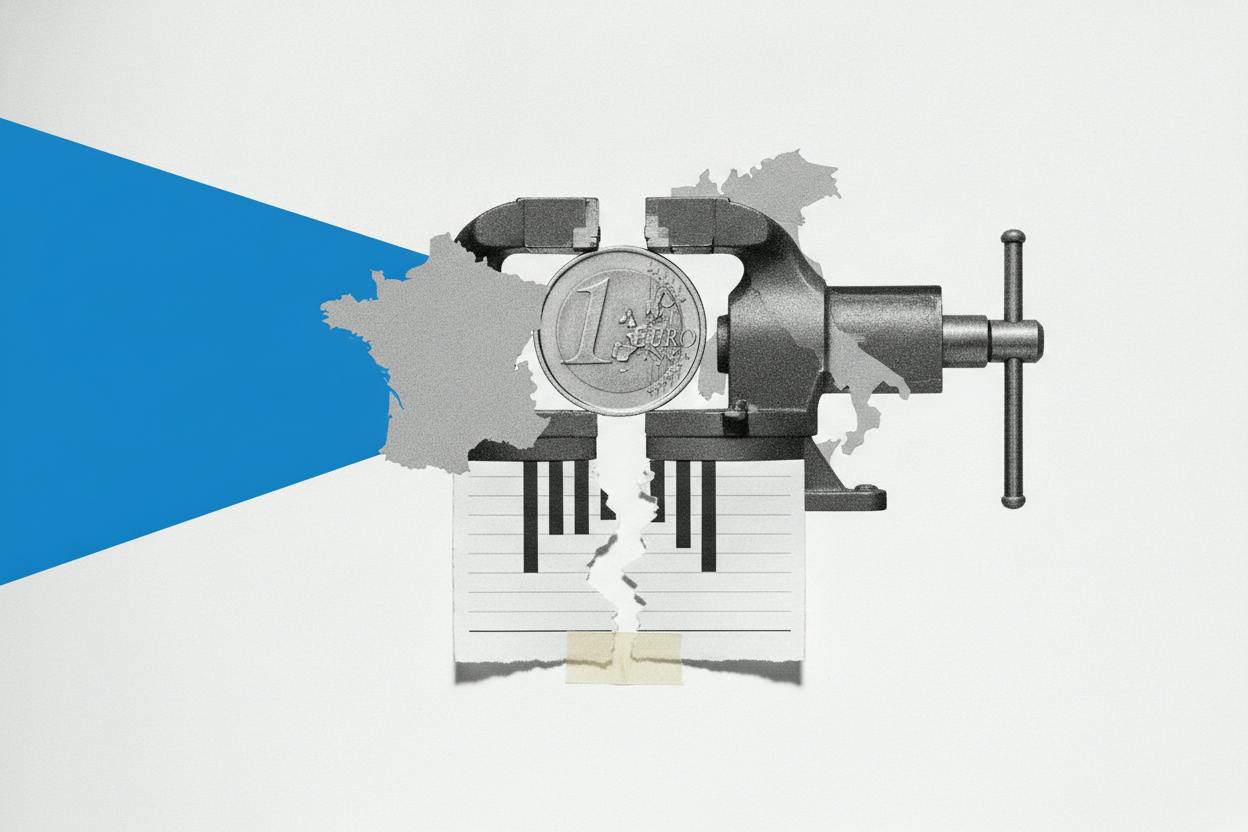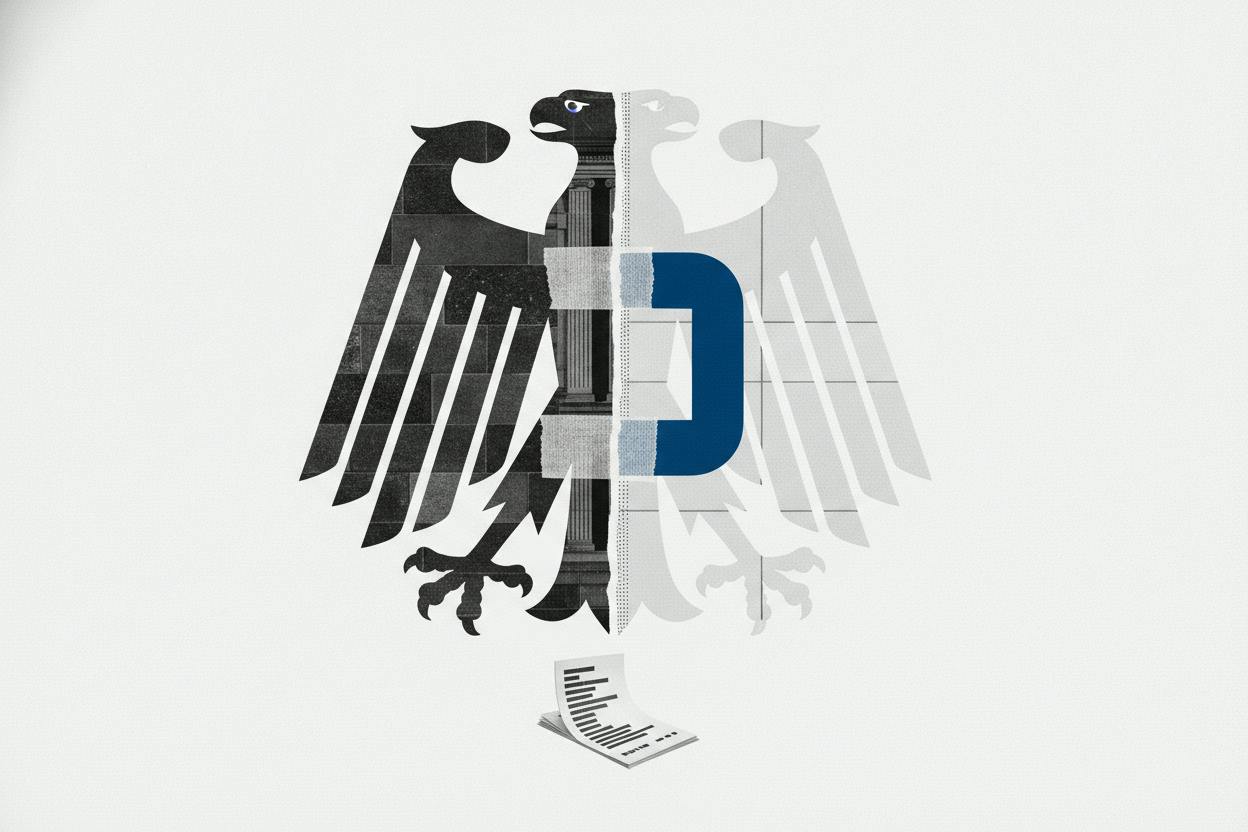
UniCredit and Commerzbank are back in deal-talk territory. RBC Capital Markets says a tie-up between Commerzbank and UniCredit's German unit, HypoVereinsbank (HVB), may be closer than investors thought.
In a note, RBC sketched an all-share HVB-Commerzbank combination that would value HVB at roughly EUR 22-28 billion. Because UniCredit owns HVB, the deal would lift UniCredit's stake in Commerzbank from about 50% to as much as 70%. On paper, RBC sees reasons the math works: limited upfront capital use and around 4% earnings-per-share lift by the 2030 financial year. The catch is “earnings visibility” – how predictable profits look quarter to quarter.
Why this matters
European banking has been consolidating for years, with cross-border deals becoming more common as lenders seek scale to compete with US giants and invest in technology. UniCredit, led by CEO Andrea Orcel, has been one of the most aggressive buyers, building stakes in Commerzbank and other European banks. A combination of HVB and Commerzbank would create a much larger German banking force, potentially reshaping the country's financial landscape.
For UniCredit, the appeal is clear: it already owns HVB, so merging it with Commerzbank would deepen its presence in Germany, Europe's largest economy, without needing to spend a large amount of new cash. The all-share structure means UniCredit would issue new shares to Commerzbank shareholders, rather than paying billions upfront. That preserves capital, which regulators and investors often favor.
But the deal is not without hurdles. Commerzbank is a major lender to German mid-sized businesses, and any merger would face intense regulatory scrutiny, especially around competition and job losses. German politics could also play a role, as the government has historically been sensitive about foreign control of key banks.
What RBC's numbers suggest
RBC's valuation range of EUR 22-28 billion for HVB is based on a share-based transaction. That range implies a price-to-book multiple that is in line with recent European bank deals, though it is not a guarantee of what UniCredit would actually pay. The 4% earnings-per-share lift by 2030 is a projection, not a promise, and depends on cost savings and revenue synergies being realized.
The key risk, as RBC notes, is “earnings visibility.” Banks' profits can be volatile, affected by interest rates, loan losses, and market conditions. If Commerzbank's earnings are hard to predict, the deal's benefits could be less certain. Investors will want to see how UniCredit structures the deal and what synergies it can realistically achieve.
What it means for investors
For everyday investors, this news is a reminder that European bank consolidation is still active. If a deal goes through, it could affect the share prices of both UniCredit and Commerzbank, as well as the broader banking sector. But deals like this often take months to negotiate and can fall apart, so investors should not overreact to early speculation.
If you own shares in either bank, watch for official announcements and regulatory filings. The market will also be listening for comments from UniCredit's management about their intentions. In the meantime, the news highlights the ongoing trend of global M&A activity, which has been subdued recently, but bank deals remain a bright spot.
For those not invested in these banks, the story is still relevant because it reflects the health of the European banking system. A successful merger could signal confidence in the region's economy, while a failure might raise questions about the viability of cross-border deals.
As always, it's wise to diversify and not make sudden moves based on rumors. The RBC note is one analyst's view, not a confirmed plan. Until UniCredit and Commerzbank officially confirm talks, treat this as speculation.
In the broader context, other large deals are also making headlines, but bank mergers have unique implications for the financial system. Keep an eye on how regulators respond, as their decisions will shape the outcome.