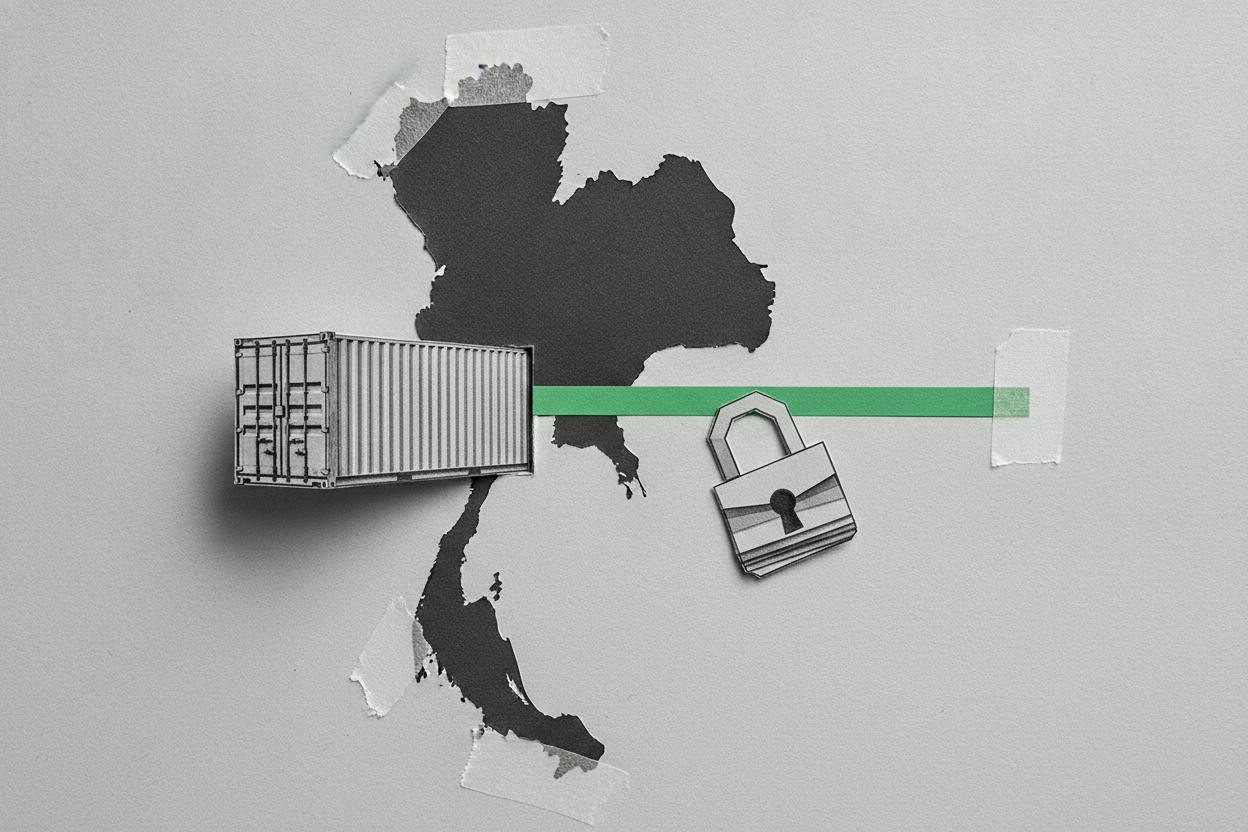
The United States and Thailand have signaled they are close to reaching a "reciprocal" trade agreement that would lower tariffs and reduce barriers for American automobiles, medical devices, and farm exports. The White House said President Donald Trump and Thai Prime Minister Anutin Charnvirakul discussed the breakthrough during a meeting in Manila, framing it as an upgrade to earlier cooperation pacts.
For everyday investors, the headline is straightforward: easier access to Thailand's market could mean more sales for US companies in those sectors. But the deal is far from done. Both governments must now convert the political agreement into precise legal language and push it through their own approval processes—a step that often takes months or longer.
What's in the deal?
The agreement is described as "reciprocal," meaning both sides would make concessions to balance trade. For the US, the focus is on three key export categories: automobiles, medical devices, and agricultural products. Thailand is a significant auto manufacturing hub in Southeast Asia, but it also imposes tariffs on imported vehicles and parts, which have long been a point of contention for American carmakers.
Medical devices—ranging from diagnostic equipment to surgical tools—are another area where US companies have competitive advantages but face import duties. Farm goods, including soybeans, dairy, and processed foods, are also on the list, reflecting a broader push by Washington to open Asian markets to American agriculture.
The White House described the pact as an "upgrade" to older cooperation agreements, suggesting it would go beyond simple tariff cuts to address regulatory hurdles, licensing, and other non-tariff barriers that often slow cross-border trade.
The long road to implementation
Even with political momentum, trade deals rarely take effect quickly. After negotiators finalize the text, it typically must be reviewed by legal teams, signed by officials, and then approved by each country's legislature or executive branch. In the US, certain trade agreements require congressional approval, though the exact process depends on the scope of the deal. Thailand's government will also need to consult domestic stakeholders, including its powerful agricultural and manufacturing sectors.
This procedural phase is where many agreements stall. Differences over specific tariff lines, rules of origin, and dispute-resolution mechanisms can drag on for months. Investors should therefore treat the announcement as a positive signal rather than a done deal.
What it means for investors
For investors, the practical takeaway is about potential upside for US exporters. Companies that sell cars, medical equipment, or farm products to Thailand could see lower costs and higher volumes if the deal is finalized. That could boost revenues and margins for firms with significant exposure to Southeast Asian markets.
However, the impact will likely be modest for most large companies, since Thailand is one of many export destinations. The bigger picture is the signal it sends about US trade policy under the current administration, which has favored bilateral deals over large multilateral agreements. A successful US-Thailand pact could set a template for similar negotiations with other countries in the region.
Investors should also watch how the deal interacts with broader currency and market trends. The US dollar has been under pressure recently, with softer economic data pulling Treasury yields lower. A weaker dollar can make US exports more competitive, potentially amplifying the benefits of any tariff reductions. Meanwhile, Asia-Pacific markets have been rallying, partly on strong tech earnings, which could support regional trade sentiment.
For those with exposure to US automakers, medical device manufacturers, or agribusiness, the news is a mild positive. But the real test will come when the legal text is published and the approval timeline becomes clear. Until then, the deal remains a promise with potential, not a certainty.
What to watch next
Investors should track three things in the coming weeks: first, any official statements from both governments about the negotiation timeline; second, the release of the draft text, which will reveal the specific tariff cuts and product coverage; and third, reactions from Thai industry groups, which could signal domestic opposition.
Also worth noting is the broader context of US trade negotiations. The administration has pursued similar reciprocal deals with other partners, and the outcome in Thailand could influence those talks. If the deal moves quickly, it might boost confidence in the administration's trade agenda. If it stalls, it could reinforce skepticism about the feasibility of such agreements.
For now, the announcement is a diplomatic milestone, but the financial impact will only materialize once the deal is signed and implemented. Investors should keep an eye on the details rather than react to the headline.